

When people talk about Manchester, they immediately think of football, iconic indie bands, and striking modern architecture. Yet, skip back 200 years, and this was the very cradle of the Industrial Revolution. This is where the city morphed into “Cottonopolis”—the undisputed cotton capital of the world. Today, those red-brick streets, former mills, and cavernous warehouses have been reborn as trendy bars, creative workspaces, and chic lofts. Still, their industrial soul is palpable at every turn. Looking back at this history is like stepping into an era when Manchester dictated the rules of global trade. You can read more about old Manchester’s industry on the manchester1 website.
The City That Changed the World
During the 18th century, bustling Manchester began its massive shift from a quiet agricultural economy to an industrial powerhouse. This era was defined by the rapid rise of factories and mechanised production. The early days of the Industrial Revolution were driven by groundbreaking technological leaps. Inventions like James Hargreaves’s Spinning Jenny (around 1764) and Richard Arkwright’s water frame (1769) massively boosted the efficiency of textile manufacturing. These innovations didn’t just skyrocket productivity; they laid the very foundations for the modern factory system.
By the early 19th century, Manchester had earned its famous moniker, “Cottonopolis”. The sheer scale of production was staggering. By 1850, the city was churning out over 60% of the world’s cotton cloth, a true testament to its unrivalled industrial prowess.
The city’s extensive network of canals also played a crucial role in its boom. The construction of the Bridgewater Canal, which began in 1761, created a direct route to transport coal from Worsley straight into Manchester. This feat of engineering slashed both transport time and costs, offering rapid access to vital raw materials. The canal network quickly expanded, linking the burgeoning metropolis to other key ports and industrial hubs. These waterways were more than just transport routes; they were buzzing centres of industry. Colossal warehouses and mills sprang up along their banks, forever altering the city’s skyline. Fast forward to today, and this area has been transformed into a cultural hub of museums, historic bridges, and picturesque canals. Yet, you can still feel the echoes of the thousands of workers who once drove the city’s relentless heartbeat.
Fascinating Facts About Manchester’s Industrial Heyday
Manchester’s industrial journey is packed with intriguing details. Even decades later, certain facts continue to astound historians and researchers alike.
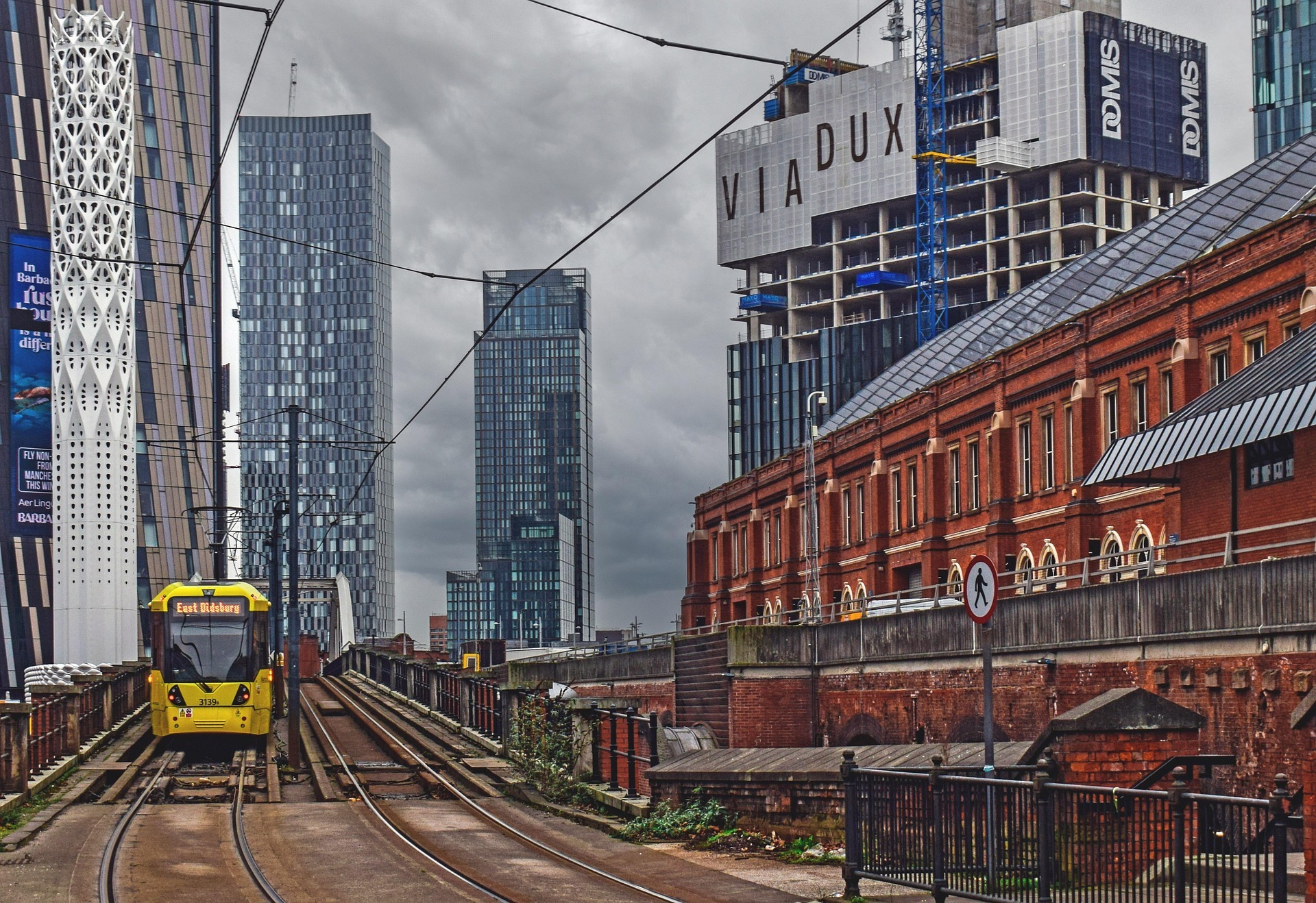
Here are some incredible insights into the old city’s industrial machine:
- It was dubbed “Cottonopolis” due to its absolute dominance in the global cotton trade.
- The deafening roar of the mill machinery could be heard through the night, as factories operated around the clock.
- The city suffered from severe pollution, choked by the relentless smoke from hundreds of factory chimneys.
- It saw the groundbreaking opening of the Liverpool and Manchester Railway in 1830.
- Arkwright’s first steam-powered cotton mill was built right on Miller Street in 1783.
- At its peak in 1853, there were an astonishing 108 cotton mills operating within the city.
- The area was home to over 1,800 massive warehouses.
- There was a dark, deeply intertwined relationship between the cotton boom and the transatlantic slave trade, as raw materials were sourced directly from US plantations.
- It was on these very streets that Friedrich Engels gathered the harrowing firsthand accounts for his seminal work on the working class.
Today, beautifully preserved mills and warehouses form the backbone of the city’s creative industries, with many transformed into upscale residential blocks, trendy eateries, and modern offices. While this frantic industrial growth generated immense wealth, it also bred terrible living conditions, severe overcrowding, pollution, and the harsh reality of child labour.
The Legacy of an Industrial Past
The legacy of Manchester’s industrialisation is a complex mix of triumph and tribulation. On one hand, it laid down the blueprint for modern industrial history. On the other, it is inextricably linked to fierce social struggles. The sheer speed of this industrial shift created grim realities for factory workers. Consequently, this hardship sparked powerful movements fighting for workers’ rights and sweeping social reforms. These historical echoes resonate even today, as modern cities across the globe continue to grapple with similar issues of economic inequality.
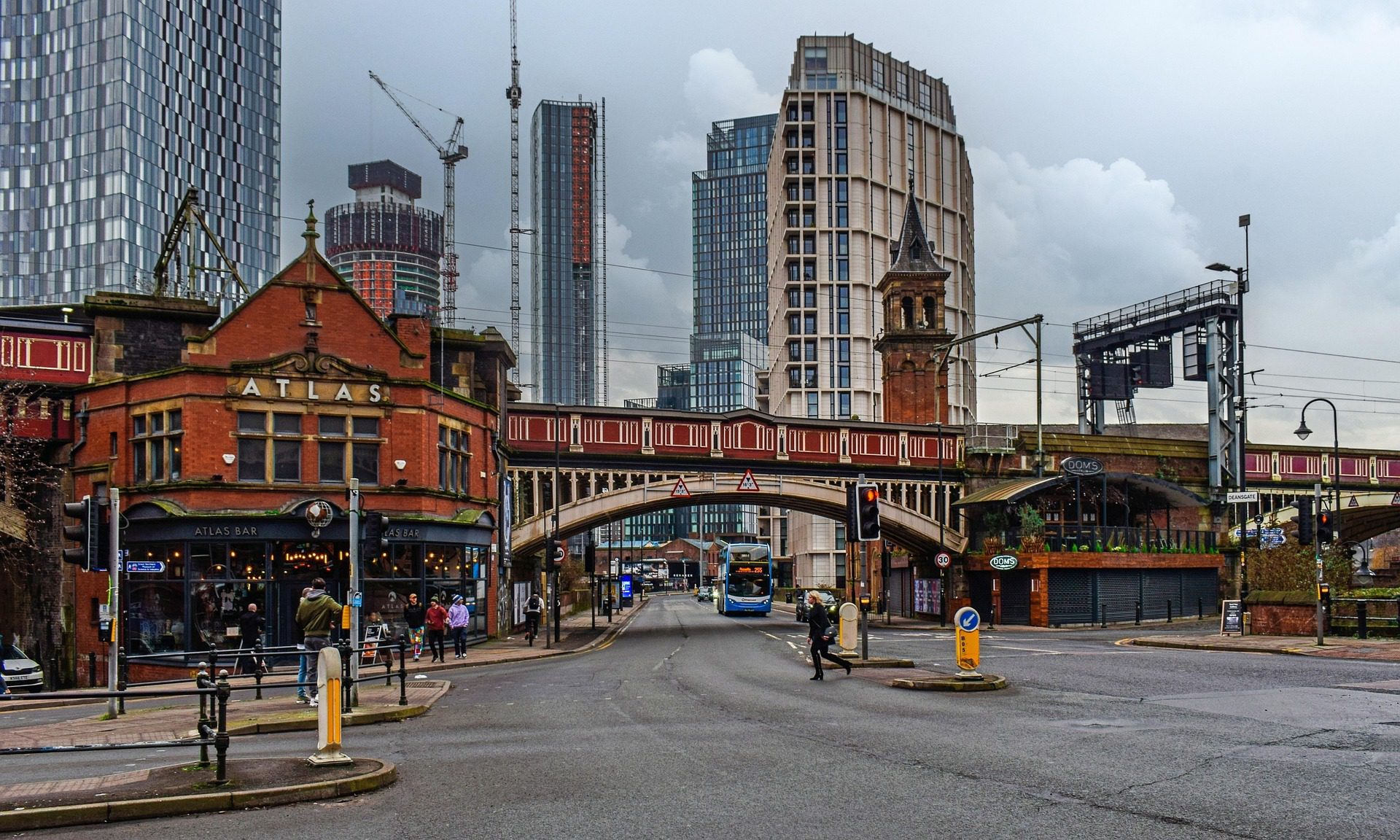
This rich heritage is meticulously preserved across various parts of the city. A shining example is the Science and Industry Museum (MOSI), which brilliantly showcases Manchester’s monumental contributions to science and technology during the Industrial Revolution. Another must-visit is the Castlefield district, where painstakingly restored warehouses and mills stand proudly alongside the historic canals. Designated as an Urban Heritage Park, it’s a living testament to the area’s profound historical importance.
Summary of Old Manchester’s Industry
| Sector | Key Feature | Impact on the City |
|---|---|---|
| Textile Industry | Cotton manufacturing | Transformation into “Cottonopolis” |
| Canals | Transport of coal and goods | Massive boom in trade |
| Railways | The first inter-city line | Rapid economic expansion |
| Mills & Factories | Mass cloth production | Creation of thousands of jobs |
Ultimately, the industry of old Manchester is a cornerstone of British history. The city was a true crucible for new technologies and the modern factory system, setting the standard for global industry. Centuries later, Manchester continues to beat to the rhythm of its industrial heritage, brilliantly transforming its historic mills into the iconic symbols of a modern, forward-thinking city.
Sources used:
- https://www.britannica.com/place/Manchester-England/Evolution-of-the-modern-city?utm
- https://www.theguardian.com/news/ng-interactive/2023/apr/03/cotton-capital-how-slavery-made-manchester-the-worlds-first-industrial-city?utm_source
- https://www.scienceandindustrymuseum.org.uk/objects-and-stories/worlds-first-industrial-city
- https://directaccess-manchester.co.uk/2025/04/22/10-fun-facts-about-manchesters-industrial-past/
- https://www.britannica.com/place/Manchester-England