

Today, Manchester is known for much more than its industrial heritage and football legacy. The city has earned a stellar reputation for its vibrant culture, media scene, and outstanding hospitality. Millions of tourists, students, football fans, business professionals, and musicians flock to the metropolis every year. As tourism, sports, and the cultural sector have flourished, the city’s hotel industry has evolved right alongside them.
To meet the diverse needs of its visitors, Manchester boasts hundreds of hotels—ranging from historic Edwardian buildings to sleek skyscrapers featuring panoramic restaurants. The hospitality sector has become a cornerstone of the local economy. In fact, Manchester is now widely regarded as one of the largest hotel markets in the UK outside of London. New developments are constantly underway, while older structures are being cleverly repurposed into trendy loft hotels. You can read more about the growth of the hospitality sector on the manchester1 website.
Historical Roots
In the 19th century, Manchester earned the nickname “Cottonopolis” due to its booming textile industry. As international trade thrived, a steady stream of businessmen, merchants, and wealthy travellers arrived in the city, needing a place to stay for a few days. This era saw the rise of the first grand hotels, offering guests luxurious spaces to unwind. Notably, the iconic Midland Hotel opened its doors in 1903 next to Manchester Central railway station, catering directly to passengers, business people, and tourists.
As the city expanded, so did its infrastructure. Hotels transformed from simple places to sleep and eat into bustling hubs for business meetings, political negotiations, and high-society soirées. Gradually, Manchester cemented its status as a major economic powerhouse in the North of England. The transport network played a crucial role in attracting visitors. The opening of the Liverpool and Manchester Railway in 1830, followed later by Manchester Airport, made the city easily accessible to the world.
A New Era for the Hospitality Industry
The 21st century sparked a genuine boom in the hotel sector, driven by major football tournaments, live music gigs, festivals, and large-scale conferences. Today, some of the city’s most renowned venues include The Edwardian Manchester, The Midland Hotel, Hotel Gotham, Kimpton Clocktower, Stock Exchange Hotel, The Good Hotel, and Dakota. Exciting new developments, such as the W Hotel and Marriott-branded residences at St Michael’s, are set to significantly elevate the city’s luxury market. The fact that many of these hotels are housed within stunning historical buildings only adds to their immense appeal.
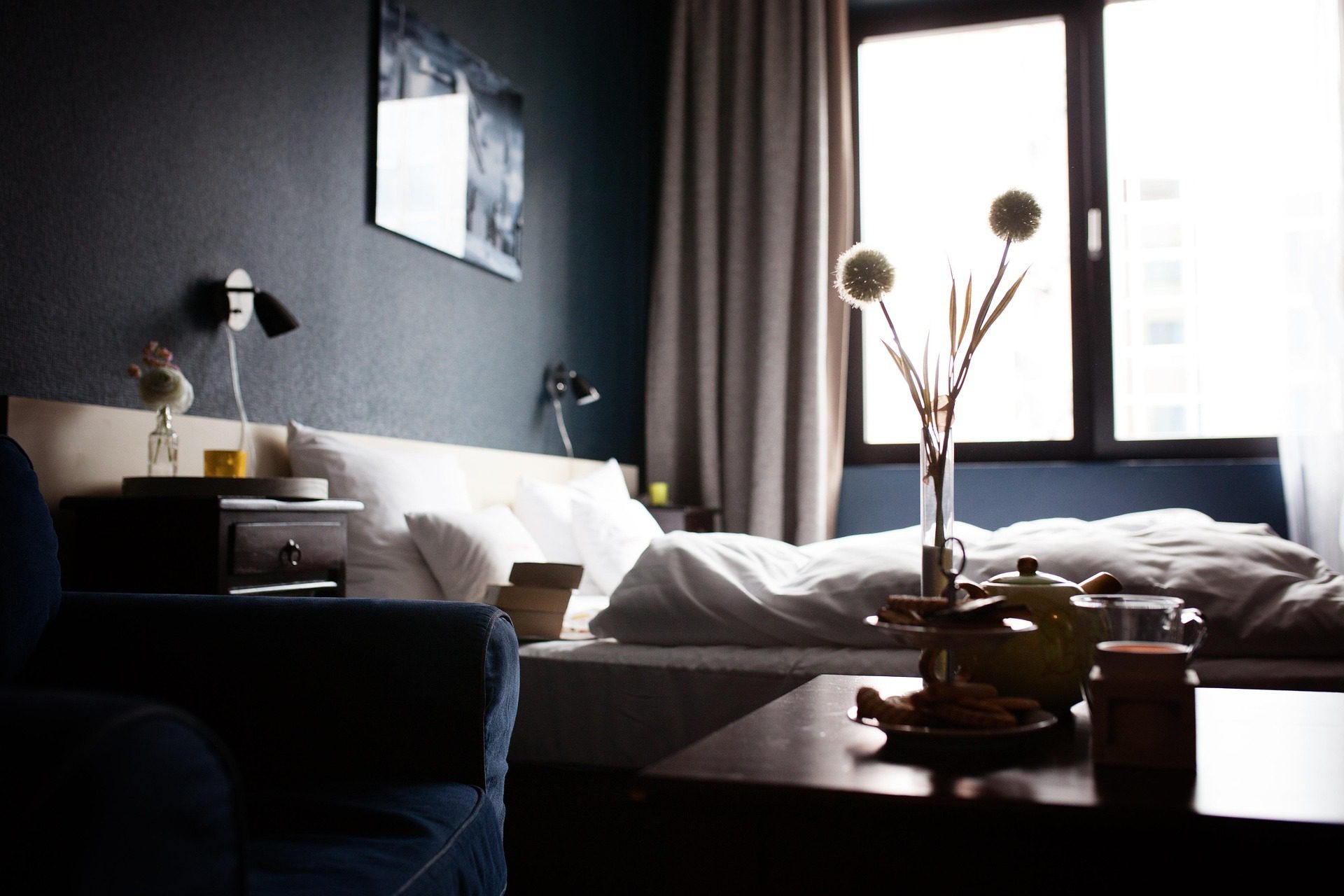
Naturally, the hospitality business is not without its challenges. Beyond fierce competition, external factors can severely impact operations. The COVID-19 pandemic in 2020 forced hotels to close their doors to the public. To recover and stabilise, the industry rapidly adopted new digital services, including online check-ins, mobile room keys, and automated booking systems. There was also a renewed focus on hygiene, with stringent new sanitisation protocols becoming the norm.
A City on the Rise
Manchester is currently undergoing rapid development, making it an incredibly attractive destination for tourists. The highly anticipated reopening of Manchester Town Hall following an extensive renovation is expected to draw even more fans of historic architecture. Furthermore, Albert Square is being transformed back into a pedestrian-friendly haven, while further developments are planned for the Etihad Campus, including stadium upgrades and new hotel facilities. These enhancements will undoubtedly boost footfall from both domestic and international visitors, many of whom will require short-term accommodation.
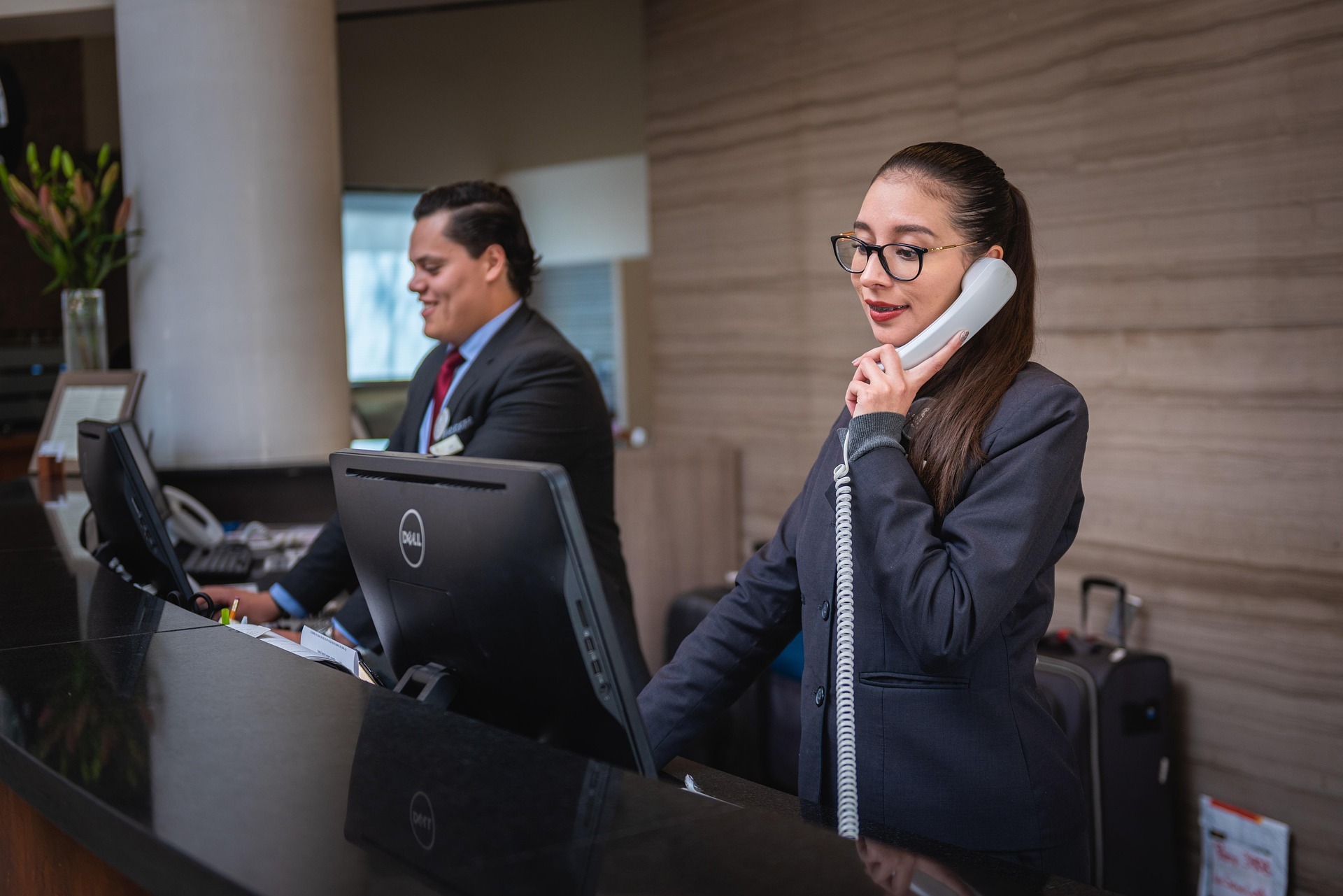
A key strength of Manchester is its diverse range of accommodation, from budget-friendly options to top-tier luxury suites. Matches featuring Manchester United and Manchester City are massive tourist draws, causing a surge in demand for rooms during matchdays. These events act as vital economic drivers, fuelling the need for the stylish, convenient, and modern lodging that visitors expect. Whether it’s a family attending a gig at the Co-op Live arena, a corporate delegate heading to a conference, or a leisure traveller seeking comfort near the city centre’s cultural hotspots, everyone is guaranteed premium service. This constant influx of events and tourists is exactly why new hotel projects keep launching.
Key Drivers of Hotel Industry Growth:
- Excellent international flight connections.
- Convenient short-haul rail links.
- A steady influx of corporate travellers and university students.
- High-profile football matches featuring Manchester United and Manchester City.
- Major arena concerts by A-list celebrities.
Manchester’s Most Popular Hotels
| Hotel | Location | Key Feature |
|---|---|---|
| The Good Hotel | Salford Quays | Floating hotel with 180 beds |
| Dakota | Piccadilly District | Offers bespoke hotel packages |
| W Hotel & Marriott Residences at St Michael’s | City Centre | Luxury apartments |
| Midland Hotel | Near the railway station | Historic Edwardian hotel |
| The Edwardian Manchester | Central Manchester | Expansive spa complex, pool, and panoramic views |
| Hotel Gotham | King Street | Housed in a former bank designed by architect Edwin Lutyens |
| Kimpton Clocktower | Near the university quarter | Striking red-brick building with a clock tower and opulent Victorian interiors |
| Stock Exchange Hotel | Central Manchester | Strongly tied to the city’s footballing history |
Ultimately, Manchester serves as a prime example of a rapidly evolving hotel industry that capitalises on both tourism and corporate travel. The sustained success of this sector relies on its flexibility and its readiness to embrace new technologies, all while preserving the unique historical charm that both Brits and international tourists love.
Sources used:
- https://www.casacity.co.uk/blogs/developments-that-will-shape-manchesters-visitor-economy-2025
- https://www.thecaterer.com/news/w-hotels-maturing-brand-marriott-briefing-2024
- https://www.visitmanchester.com/ideas-and-inspiration/blog/post/history-of-tourism-in-manchester/?utm_source
- https://www.business-live.co.uk/regional-development/manchesters-hotels-bouncing-back-after-20726127