

When we think of the Industrial Revolution in Great Britain, steam engines, spinning machinery, and rapid technological progress immediately come to mind. It seems like a time of great discoveries and economic growth. But behind this picture hid a completely different side – the harsh reality for millions of workers. Next on manchester1.one.
For them, the Industrial Revolution did not mean progress, but gruelling labour for 12–14 hours a day. The factories were noisy, dirty, and dangerous. People lost their health, suffered injuries, and sometimes died. Even children worked. From a young age, they stood at machines, carried heavy loads, and lived literally on the brink of survival.
No one thought about comfort, safety, or the right to rest back then. The working conditions were inhuman, but there was no choice, as it was the only way to survive. Behind the glittering facade of industrial progress lay the enormous social cost paid by ordinary people.
This is an article about the history of factory workers. About what their lives, working conditions, and wages were really like. From the dawn of industrialisation to post-war recovery. A story of survival, struggle, and, ultimately, change.
The Industrial Boom That Brought an Influx of Workers to Manchester
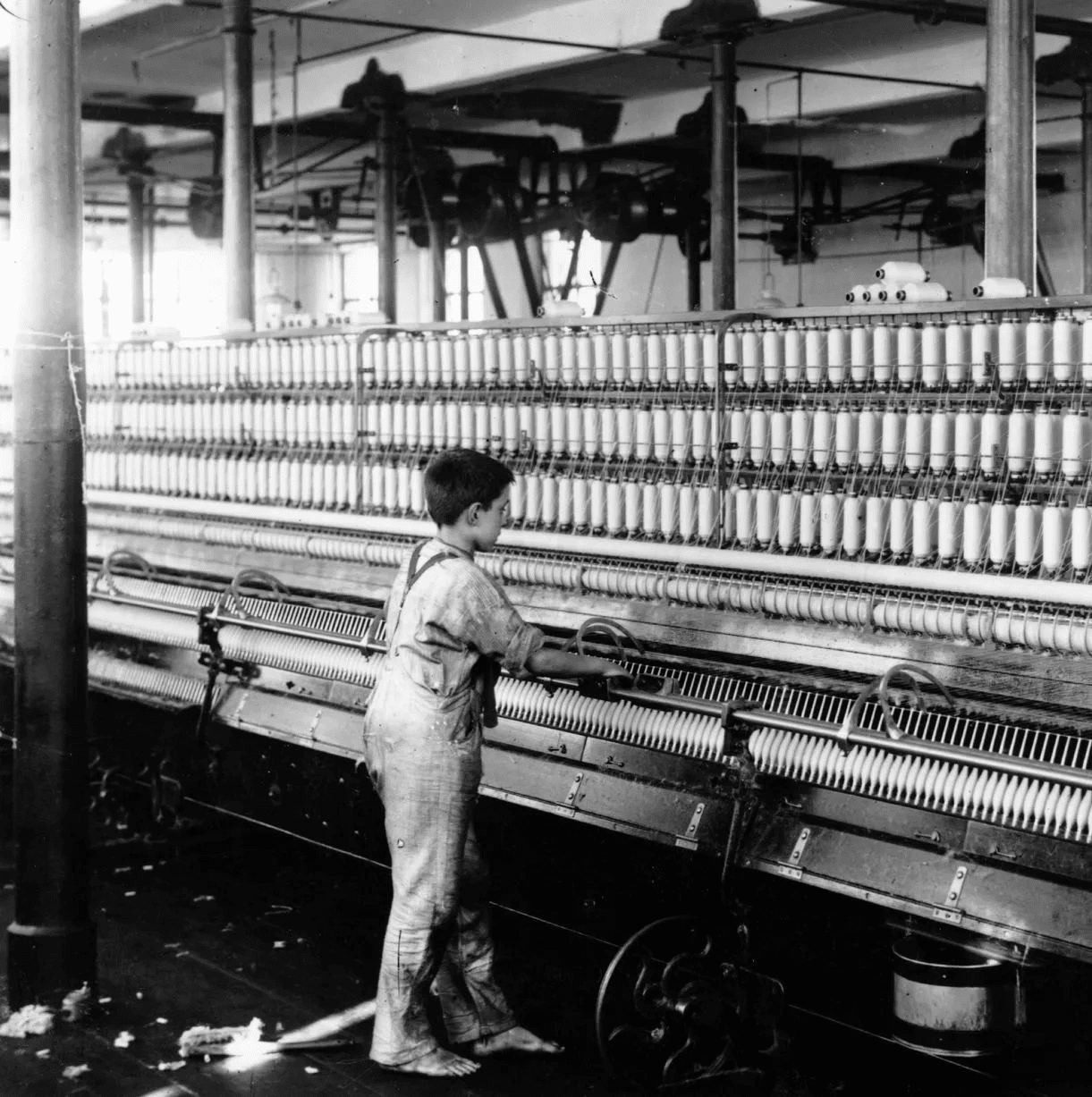
The transition from rural, manual production to large-scale factory work began in Great Britain in the late 1700s and spread rapidly throughout the 1800s. Cities like Manchester, Birmingham, and Leeds became industrial hubs, attracting workers from the countryside and even from abroad.
The industrial boom drew workers to Manchester, changing the city forever. In the early 19th century, factories in Manchester sprang up one after another. The city was constantly filled with thick smoke. During this time, Manchester transformed from a quiet market town into the world’s first true industrial city.
Factory owners promised stable work in cotton mills, factories, and textile warehouses. This tempting offer attracted thousands of people from rural England, Ireland, and elsewhere. But was it all as good as it sounded?
Working Conditions in Manchester’s Factories
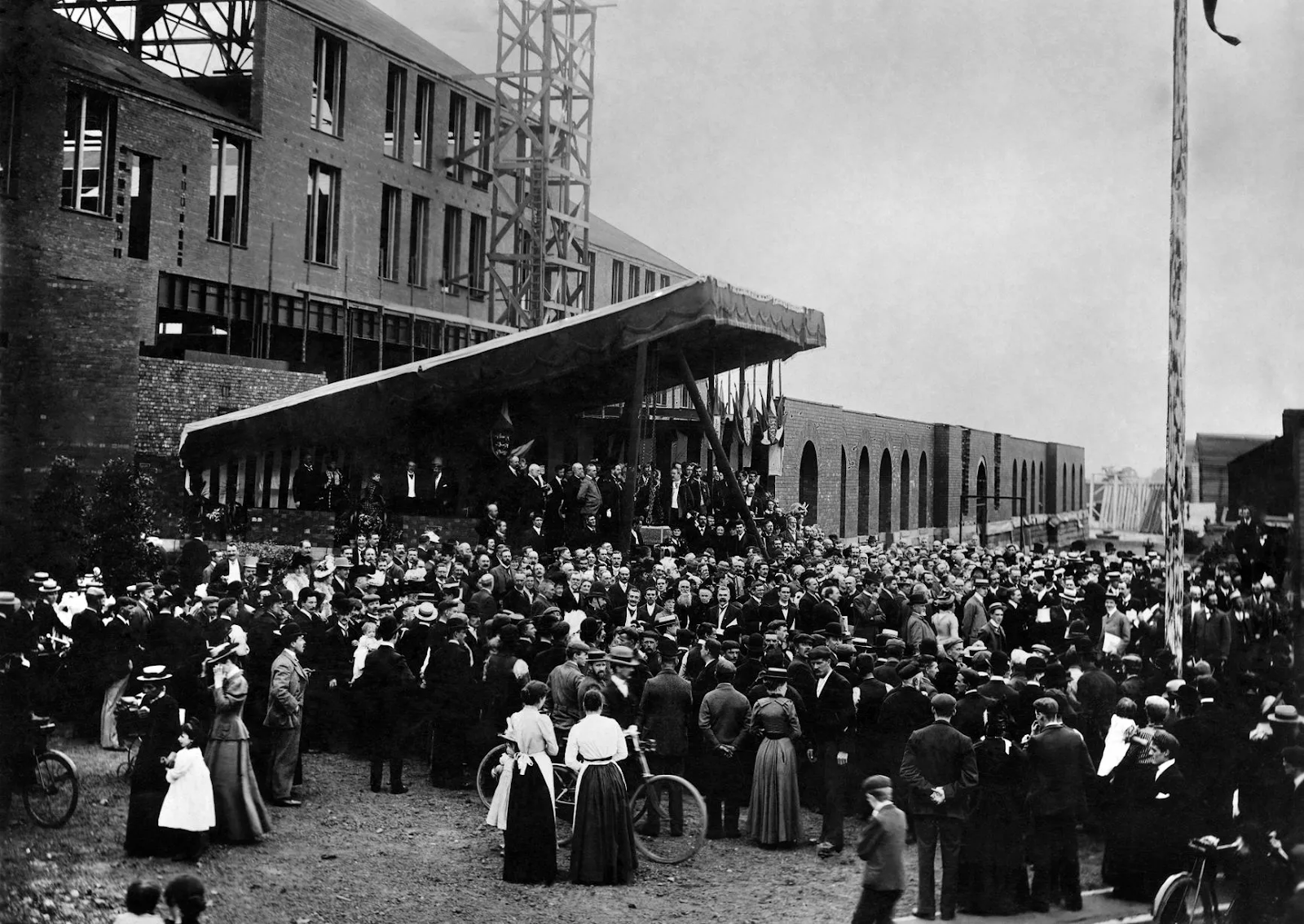
It is worth noting that behind the attractive offer of earning money lay long, gruelling hours of work, often in unsanitary conditions.
Long Shifts Without a Break
A typical working day in a factory lasted 12 to 14 hours. This did not include extra hours during the busy season. The lunch break was a mere formality, as this time was actually spent cleaning machines or performing other “minor” factory tasks. Days off were only granted for holidays. For many factory workers, life was on the edge—with no rest and no chance to recover.
Meagre Pay
A man working in a factory earned about 15 shillings a week. This was a paltry sum, barely enough to feed a family. Meanwhile, women’s labour was paid significantly less—around 7 shillings. Even children worked, earning just 3 shillings. This made women and children “profitable” workers, so employers often turned away adult men who became too “expensive.” The situation often reached absurd levels: children became the breadwinners, while men found themselves unemployed.
Brutal Discipline
There was no room for ceremony in Manchester’s factories. Misdemeanours were punished by beatings with a strap. Children who tried to resist or became distracted were hung by the neck with weights or had their ears nailed to the table. It was not uncommon for children to be doused with cold water to keep them from falling asleep on their feet. Systemic fear became the norm.
Fines for Any Misdemeanour
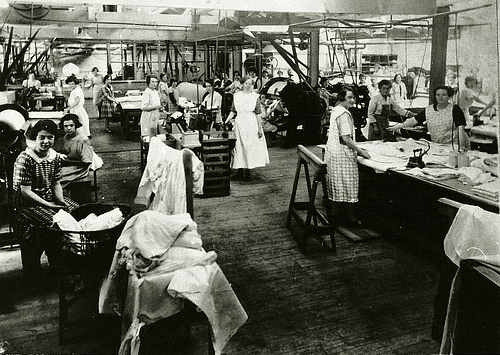
As mentioned, discipline in Manchester’s factories was extremely harsh. Punishments were handed out for talking, leaving without permission, or failing to wipe dust off a machine. Sometimes, employers would deliberately set the clocks forward to accuse workers of being late and fine them. Overseers were required to collect a weekly “quota” of fines and would find a reason, even if one didn’t exist.
Injuries and Maimings
The factories were filled with unguarded machinery. Children often had to crawl under operating machines to pick up scraps of fabric and were frequently injured. One wrong move could mean a limb being crushed under the wheels. According to Manchester hospital records, up to 40% of all accidents in 1833 occurred in the workplace.
Daily Health Threats
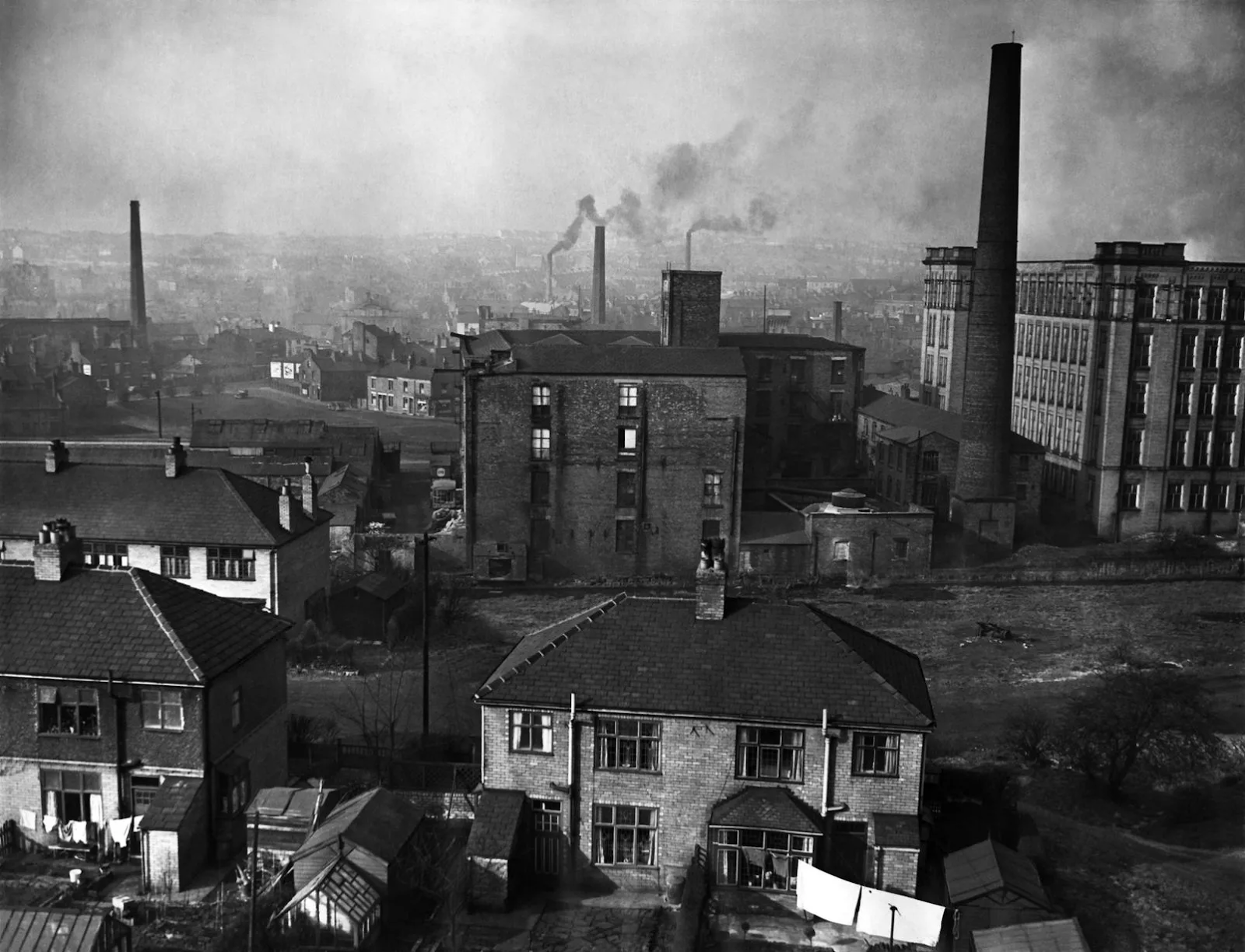
The air inside Manchester’s factories was saturated with dust and lint, causing chronic lung diseases. The constant roar of the machinery gradually led to hearing loss. After their shifts, workers would leave the warm, damp interiors for the cold street and contract pneumonia. The humidity was deliberately maintained to prevent the threads from breaking during spinning.
The Exploitation of Orphan Children
Orphaned children of workers from the south of England were sent to the factories, supposedly “to be taught a trade.” In reality, they were used as cheap labour. They worked for 12 hours and then slept in dormitories right at the factory, in beds just vacated by children from the previous shift. The conditions were appalling—unsanitary, overcrowded, and rife with disease. And there was no hope for anything better.
Unfortunately, this was the true and grim reality for millions of people.
The 20th Century: Modernisation and Mechanisation
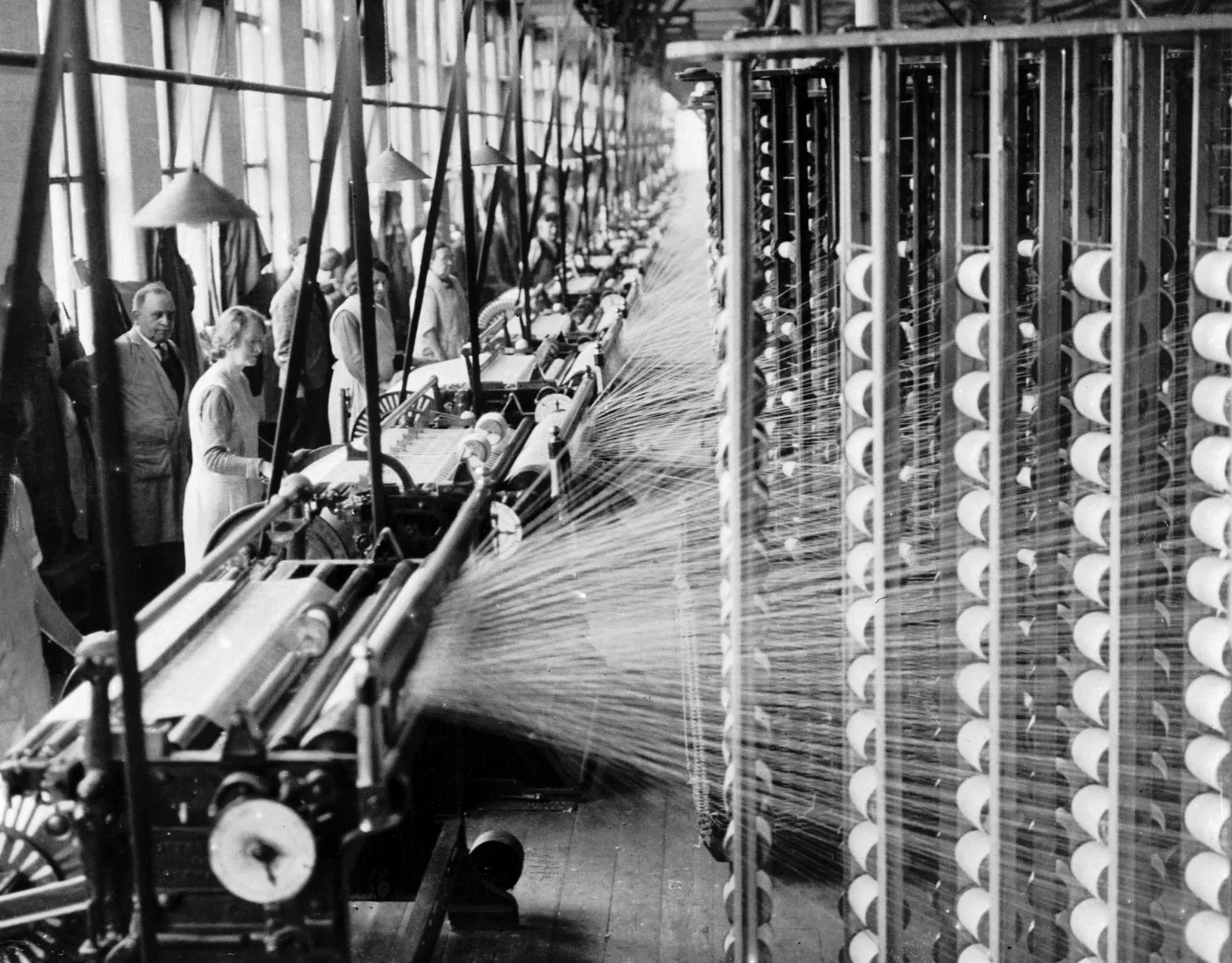
By the mid-20th century, following the devastating consequences of two world wars, Manchester’s industrial world began to change rapidly. The machines that had only started to appear in production in the 19th century had by then become an integral part of most factories. Production processes became automated, which significantly increased output and reduced the reliance on manual labour.
Where dozens of workers once stood by the machines, now a few operators controlled them. Automatic conveyors, mechanical presses, and the electrification of production all increased productivity but also demanded new skills from the workers. Now, it was not just physical health that mattered, but also the ability to interact with technology.
It should be noted that one of the most significant achievements of the 20th century was the recognition of workers’ rights. After the First World War, and especially after the Second, the governments of many countries began to actively reform labour legislation. One of the key changes was the introduction of the eight-hour workday, which put an end to the exhausting 12–14-hour shifts. Paid holidays, weekends, mandatory breaks, and restrictions on child labour also appeared.
Furthermore, social protection became the norm. Various enterprises in Manchester began to implement social security systems: medical insurance, pensions, and unemployment benefits. A sense of security for the future emerged. Now, a worker knew that if they lost their job, their family would not be left without a means of subsistence.
Trade unions also became more influential. They fought for safety in the workplace, for decent pay, for equality and respect. They organised strikes, signed collective agreements, and exerted pressure on employers and the government. Through their efforts, the basic standards that seem commonplace to us in the 2020s were established in the 20th century.
Despite technological progress and legislative reforms, work in Manchester’s factories remained difficult. The roar of machinery, the dust, the heat, physical fatigue, and the monotony of the tasks—all of these persisted.