

Manchester has undergone a remarkable transformation over the past century, evolving from a bustling industrial powerhouse, globally renowned as “Cottonopolis,” into a vibrant hub of creativity, digital innovation, and service industries. At the close of the 19th and dawn of the 20th centuries, a stroll through Manchester would have been filled with the continuous roar of spinning machines, the clatter of clogs on cobblestones, and sharp whistles signalling shift changes. The city was a true industrial centre, perpetually shrouded in factory smoke. Next on manchester1.one.
Fast forward a century to the 21st, and the city’s rhythm has shifted dramatically. Instead of the hum of looms, you now hear the click of keyboards, the hiss of coffee machines in co-working cafes, and the buzz of start-ups pitching their grand ideas. Manchester has entirely reimagined its job market, moving from a smoky epicentre of the Industrial Revolution to a creative, digital, and service-oriented hub.
This is the unique story of Manchester’s transformation – from industry to digitalisation and AI. Factories have given way to tech hubs, and heavy manual labour to creative thinking and intellectual work.
The city has become home to IT companies, cybersecurity firms, media outlets, and educational platforms, all while preserving its authenticity and strong work ethic. Manchester hasn’t just adapted to change – it’s become a symbol of how a city can reinvent itself.
From Manual Labour to Mechanisation: The Era of Industrialisation in Manchester
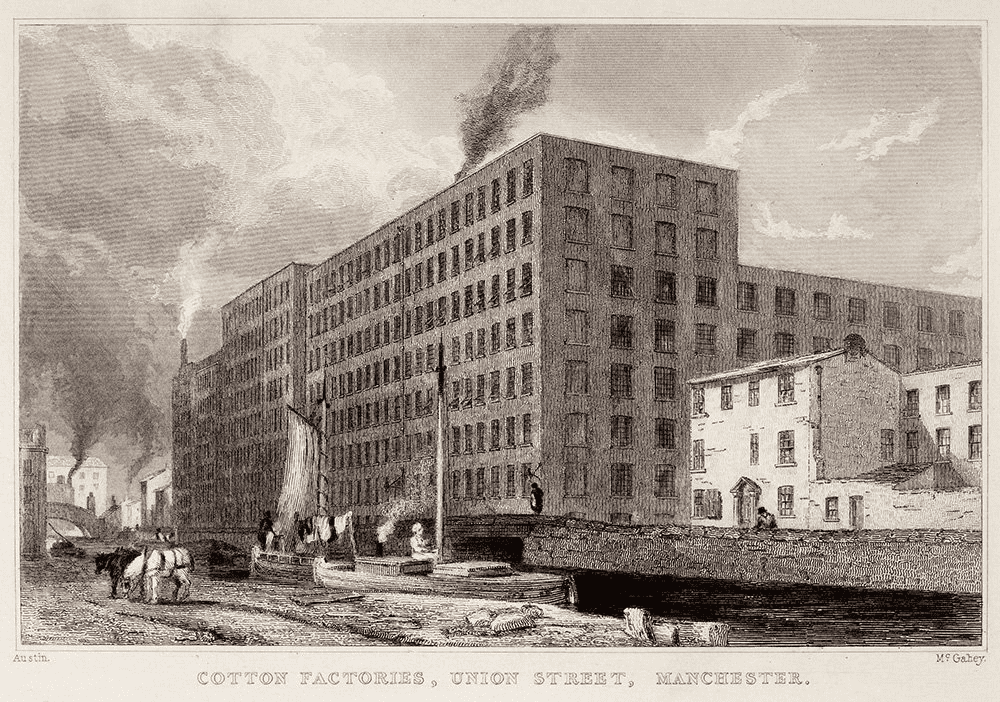
In the 19th century, Manchester’s economy was predominantly driven by industrial labour. The city thrived thanks to its cotton mills, which produced vast quantities of cotton goods. The emergence of new factories attracted a huge influx of workers to the city. Men, women, and even children flocked from rural areas to secure jobs in these mills. Back then, cotton spinning factories, foundries, and machine-building workshops had an acute demand for industrial, disciplined, and cheap labour.
Working conditions were severe. Shifts often lasted up to 16 hours, six days a week. There was no social welfare, no paid holidays, and certainly no medical care. Yet, despite the harsh conditions, these jobs laid the initial foundations for the identity and community of the urban working class, not only in Manchester but across Great Britain.
The work was incredibly arduous and monotonous, but it offered stability in a rapidly modernising world. Skills were passed down through generations, and jobs were often lifelong, even if that lifespan was shortened by occupational diseases or accidents.
Factories were more than just popular workplaces; they were defined ecosystems that shaped everything from housing to dialects and politics. The first labour movements, strikes, and trade unions originated within their walls.
The Period of Transformation and Industrial Decline
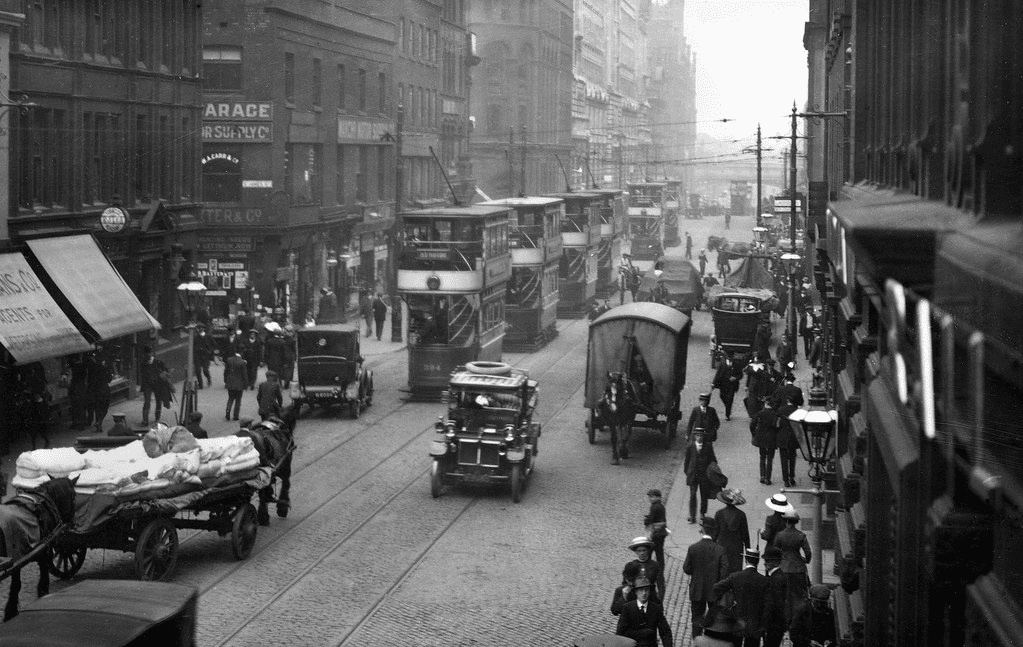
By the mid-20th century, the situation began to change. Global competition, mechanisation, and the dissolution of the British Empire reduced demand for Manchester’s traditional industries. Textile mills closed, and coal mines were abandoned. Generations who had once followed their parents into factories found themselves unemployed or were forced to retrain for new jobs and prospects.
In the 1970s and 1980s, unemployment soared, devastating entire neighbourhoods. The working-class identity, once founded on shared labour, disintegrated. In some areas, poverty replaced productivity as the defining social reality.
The psychological impact of this transition was colossal. For many families, the factory was more than just a source of income; it was a connecting link between generations. The disappearance of industry was perceived by the population as a betrayal. Streets that once buzzed with life fell silent. Community centres closed, and shops were boarded up. Entire industrial districts of Manchester fell into decline.
Furthermore, government efforts to revive the economy were slow and uneven. Some workers moved south in search of better opportunities, while others remained caught between the old industrial North and the newly prosperous South East.
However, over time, something new began to emerge from the ruins of deindustrialisation. Those same red-brick warehouses and derelict factories started to attract a different audience: artists, students, creative individuals, and eventually, entrepreneurs. From the ashes of the old, a new type of work was born.
A Complete Rethink of the Labour Market
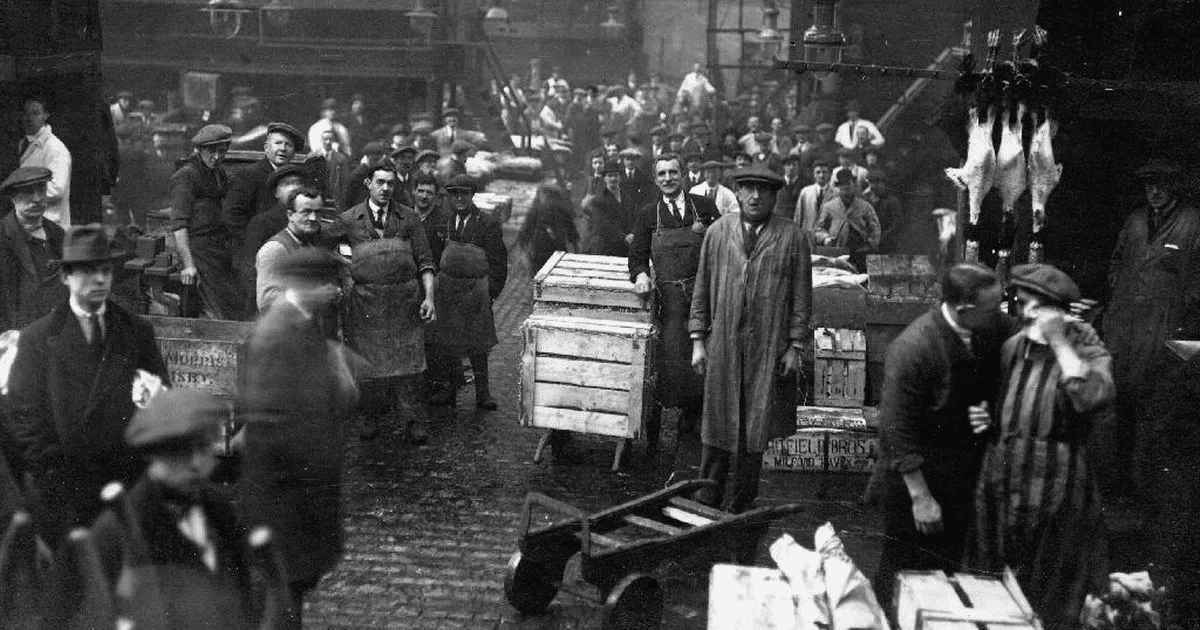
While almost the entire population of Manchester was once directly or indirectly involved in factory processes, from the late 1990s onwards, Manchester underwent a radical change. Investments poured into education, technology, media, and design. The growth of universities, creative centres, and cultural districts transformed the city into a magnet for young talent.
Instead of sitting at a loom, people who came to Manchester were now coding, creating, consulting, and collaborating. The labour market shifted from manufacturing to knowledge-intensive industries: marketing, software development, journalism, architecture, film, and finance.
Flexible working hours replaced rigid shifts. Work desks became laptops. Factories transformed into co-working spaces where freelancers, start-ups, and remote employees shared not only space but also ideas.
The Northern Quarter, once a textile hub, became a digital playground, filled with design studios, artisan coffee shops, and branding agencies. Spinningfields evolved into Manchester’s modern business district, home to financial companies, law firms, and fintech giants.
This new model of work brought its own challenges – precarious employment, burnout, and the gig economy – but it also opened doors to creativity, autonomy, and innovation.
Manchester’s Generation of Versatile Workers
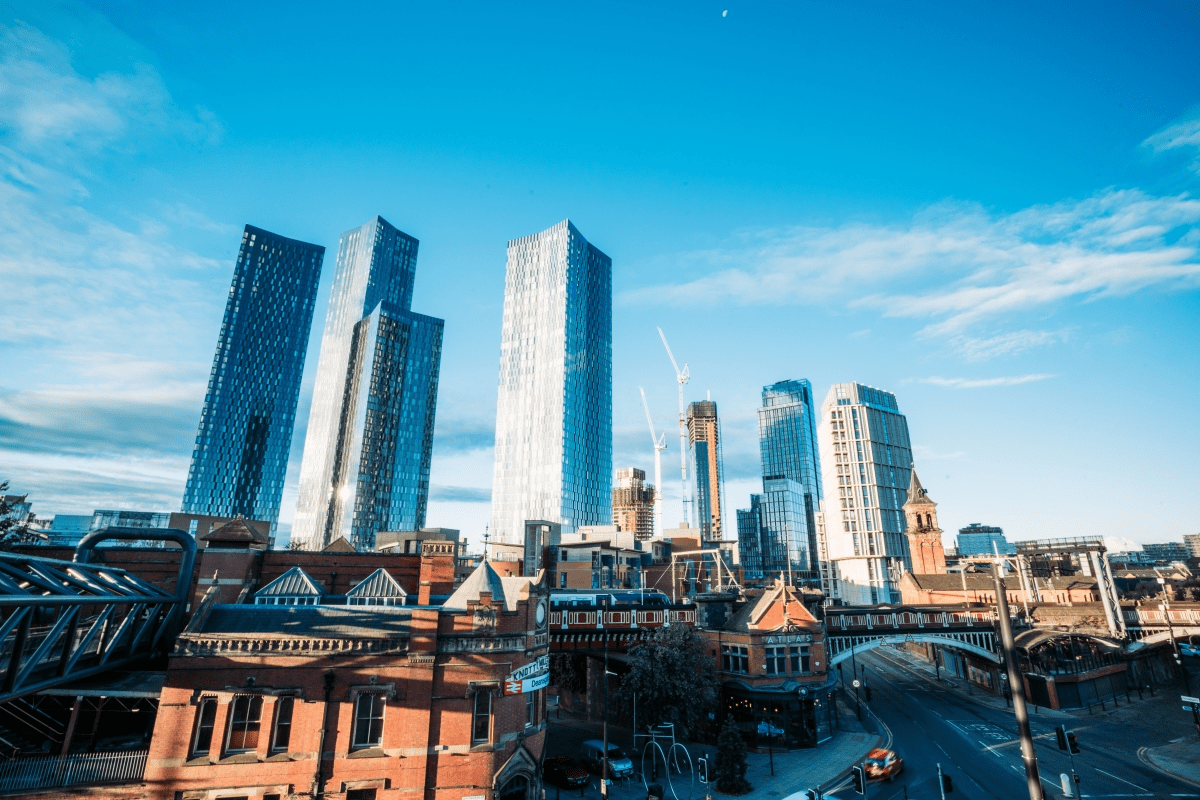
Manchester in the 21st century is a blend of its industrial DNA and its digital future. Traditional sectors like construction, logistics, and manufacturing still exist, but they are now joined by AI start-ups, biotechnology labs, game developers, and content creators.
The modern worker is often a hybrid: one foot in the office, other in a Zoom call. By day, they might be a programmer; by night, a DJ, combining multiple roles and income streams. A job for life has given way to skills for life.
Co-working spaces, such as “Colony”, “Huckletree” or “WeWork Manchester”, are the new factories, producing not textiles but innovation. These are places where collaboration fosters productivity, where community is built not on hierarchy, but on a shared purpose.
Manchester has always been a working city. People here worked hard, relentlessly, and with pride. From the roar of factory machines to the click of laptop keyboards, the essence remains the same: it is still a city of creators and doers.
The labour market in the 21st century looks completely different, but the driving force within it is the same — the desire to create something, to belong to something, and to move forward. As the world of work continues to evolve, Manchester is proof that reinvention is not just possible; it is part of the city’s DNA.
From factories to co-working spaces, Manchester hasn’t lost its soul. It has found new means of expression.
- https://uk.gcuc.co/manchesters-coworking-evolution-from-industrial-revolution-to-workspace-revolution/
- https://www.researchgate.net/publication/380592617_Coworking_spaces_and_workplaces_of_the_future_Critical_perspectives_on_community_context_and_change
- https://manchestergazette.co.uk/1712/trends-shaping-the-office-space-market-in-manchester/
- https://www.talentlocker.co.uk/blog/why-are-coworking-spaces-moving-out-of-town-centres
- https://www.scienceandindustrymuseum.org.uk/objects-and-stories/worlds-first-industrial-city