

We live in a modern world where every worker in Manchester is a dynamic, flexible, educated individual who lives not to work, but works to live an interesting life. They’re concerned about the climate, mental health, leisure time, and quality of life. They’re digitally literate, have their own opinions, aren’t afraid of change, and look to the future with hope. But in the 19th century, the typical Manchester worker was far from this. More on manchester1.one.
Manchester, also known at the time as “Cottonopolis”, was the world’s textile capital. Back then, there was no room for dreams or entertainment for the typical worker. They survived in the harsh reality of an industrial city – long hours in difficult conditions, meagre wages, and no hope for a brighter future. Day after day, they repeated the same mechanical tasks, with practically no rest.
The typical 19th-century Manchester factory worker endured long working days, low wages, and dangerous working conditions. They had to perform repetitive tasks, experience strict discipline, and face the constant threat of injury or illness. Living conditions were often cramped and unsanitary. Despite the hardships, workers found ways to socialise, form trade unions, and strive for better working conditions.
The Industrial Boom
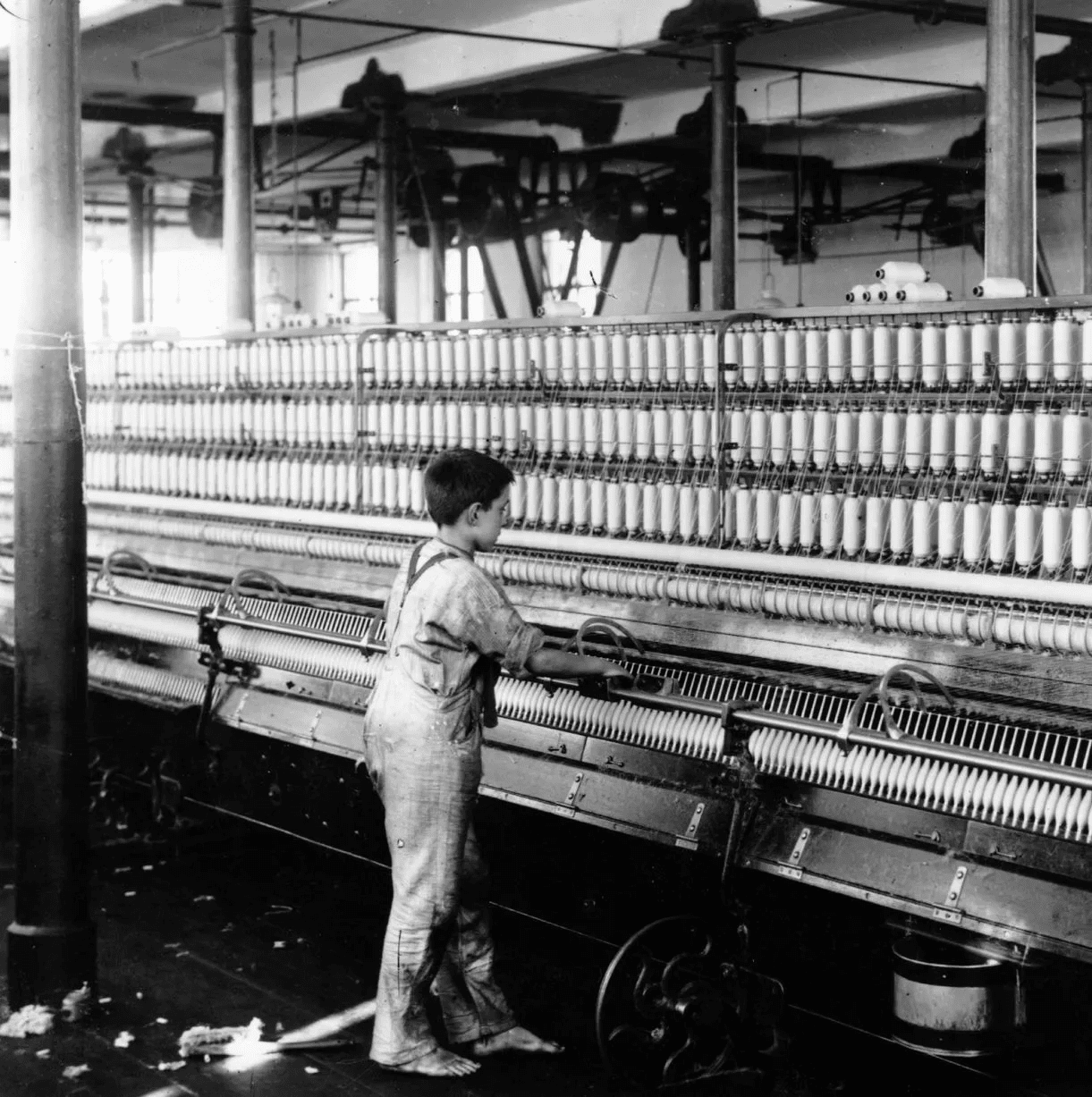
When the Industrial Revolution began in Manchester in the late 18th century, it became a magnet for thousands of workers from across Great Britain. Dreaming of earnings, stability, and a new life, peasants and artisans from various towns and villages left their homes en masse and headed for the country’s burgeoning industrial centre – Manchester. In just a few decades, the city transformed from a provincial town into a bustling industrial metropolis.
The main reason for migration was work. Textile factories, which produced cotton fabrics, needed hundreds, and then thousands, of hands. Enterprise owners paid meagre but regular wages. This was better than living in poverty on land that could no longer sustain them. Many families relocated – men worked at the machines, women sorted and spun, and even children, starting from 6-7 years old, also went to work because every penny mattered at that time.
Workers lived in cramped, often unsanitary conditions. A whole family, and sometimes two, might be crammed into one room, with water and toilets shared outside. Illnesses, overwork, and a lack of days off became part of their new reality. But despite this, it was these people who formed the basis of a new class – the urban working class, or proletariat.
The workers who flocked to Manchester changed the face of the city. Factories, streets, and railways were built by their hands. They formed new social movements – communities, trade unions, and political consciousness. And although their path was difficult, they laid the foundation for Manchester as a city of labour, progress, and the fight for rights.
Working Conditions
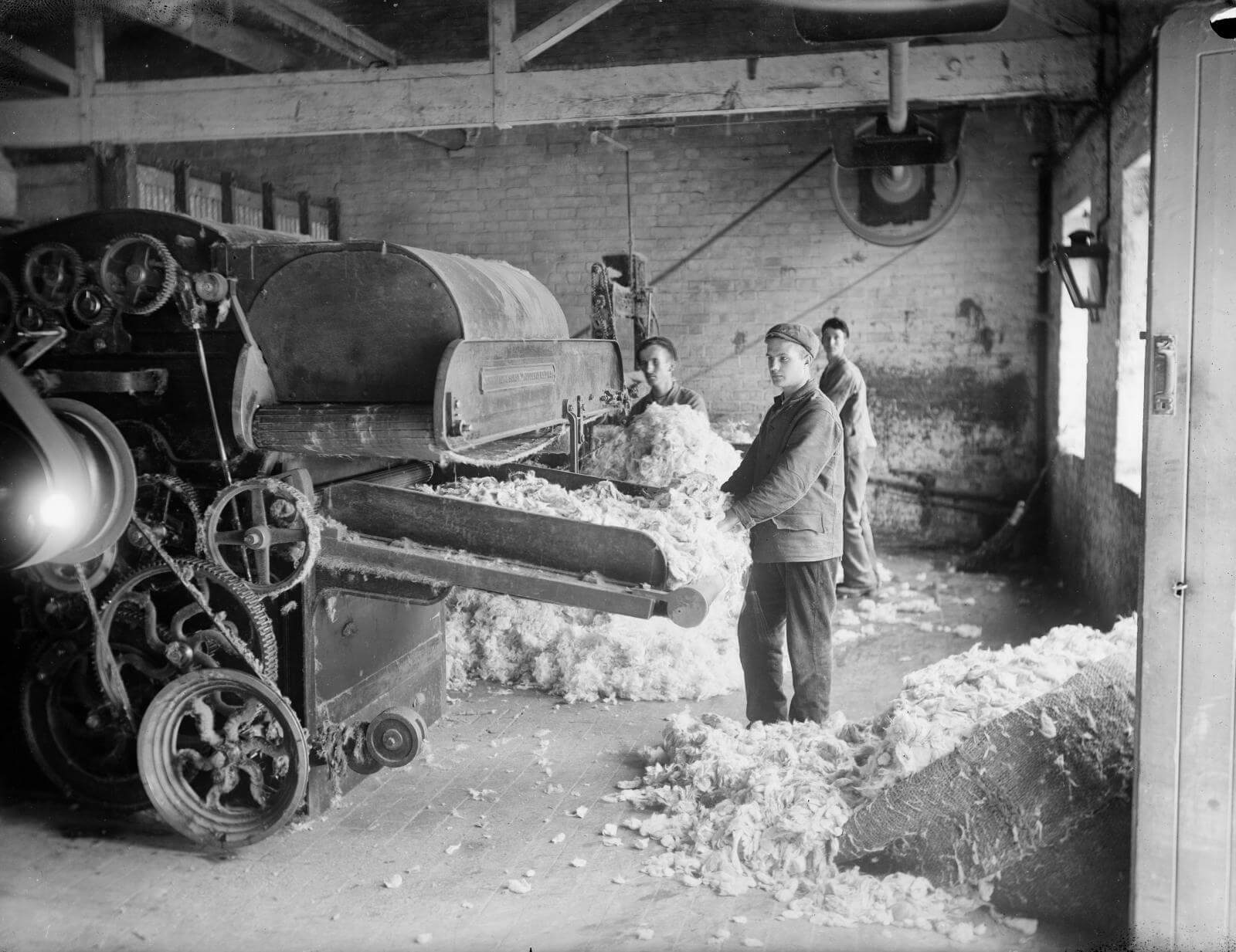
The working day lasted 12–16 hours, with no days off or public holidays. People woke up before dawn and returned home late at night. Factory premises were poorly ventilated, stuffy, and dusty. This was especially noticeable in cotton production, where the air was saturated with fibres that caused lung diseases. There were no health and safety regulations: machines lacked protective mechanisms, and any mistake could cost a person their fingers or even their life.
Women and children made up a significant portion of the workforce, as they were paid less. Children worked in confined spaces, cleaning mechanisms and squeezing into narrow passages. Many were injured by moving parts, and excessive fatigue led to accidents.
Furthermore, there was strict discipline. Punishments for minor offences could be severe, including physical punishment, such as being whipped with a belt.
Despite this harsh reality, these very working conditions spurred future social changes. The first strikes and protests began in Manchester, trade unions emerged, and the fight for workers’ rights commenced. This struggle, in many ways, transformed the entire industrial world.
Living Conditions
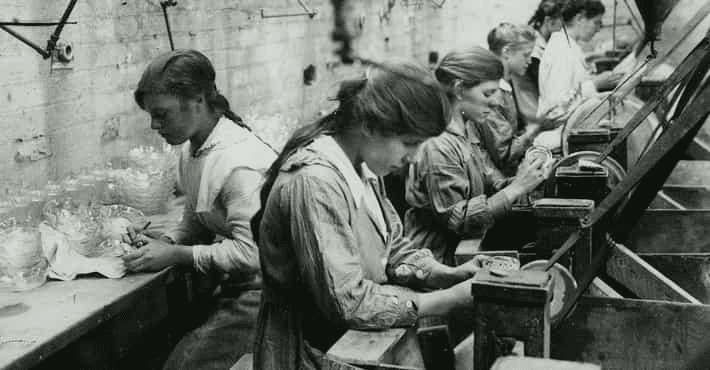
Workers lived in overcrowded areas, in cheap tenement houses that were built hastily and without basic amenities. An entire family, sometimes even two, might be crammed into one room. Sanitation was almost non-existent. At that time, sewage flowed directly through the streets, and toilets were shared in the courtyard. Water was often taken from contaminated sources, leading to frequent outbreaks of cholera and typhoid.
Moreover, the humidity and dirt in the homes contributed to the development of diseases, from bronchitis to tuberculosis. Young children grew up in extreme poverty, often barefoot and malnourished. The only luxuries were bread, milk, and occasionally meat, but not everyone could afford these.
Despite the difficult conditions, workers stuck together. In the evenings, they gathered in pubs or by a fire, telling stories, singing songs, and sharing their last piece of bread. Their lives were a struggle, but also a testament to incredible resilience that forever changed the face of industrial Britain.
The Appearance of a Manchester Factory Worker
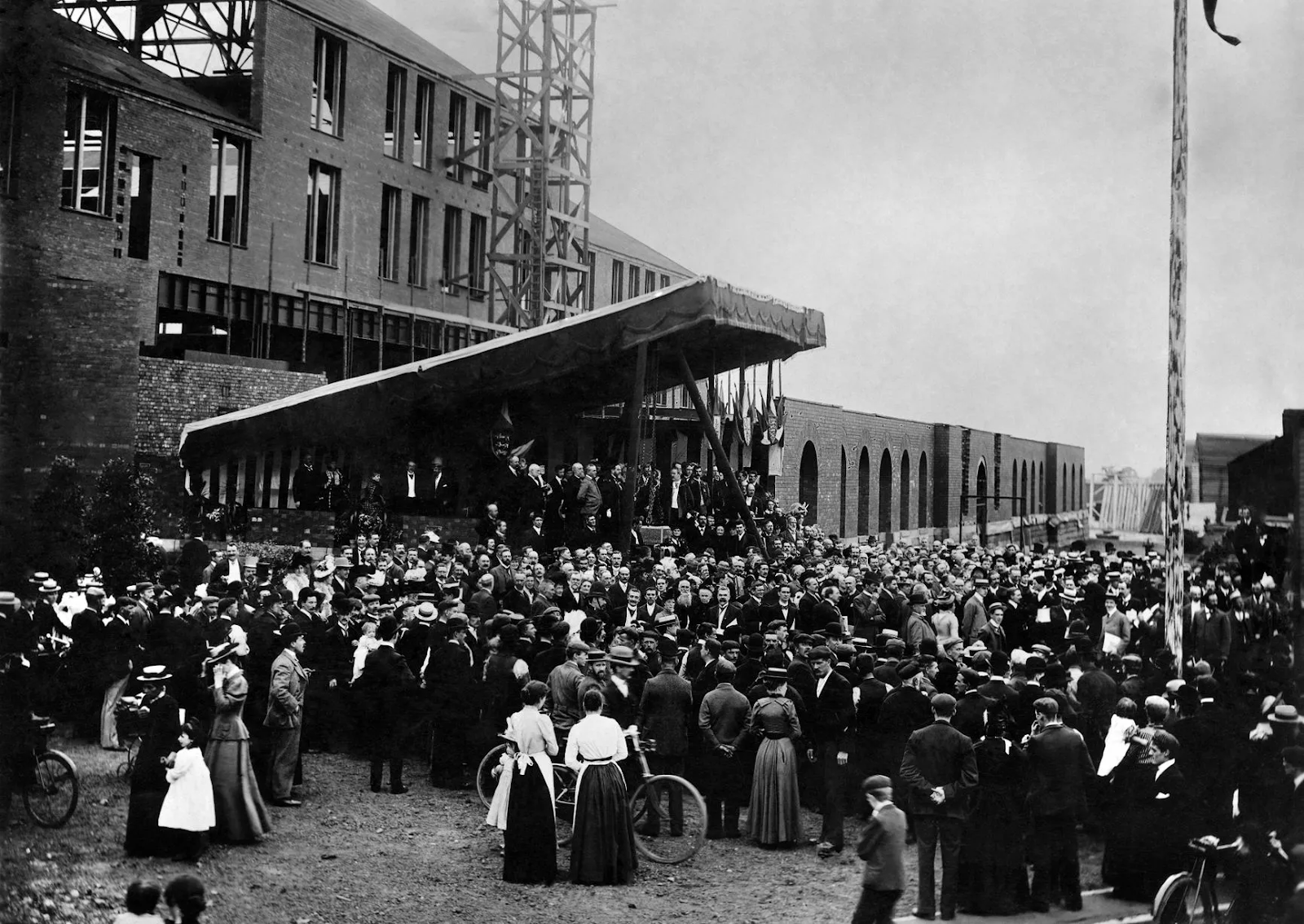
Reading about how Manchester factory workers lived in the 19th century, a certain image forms in one’s mind. But what did a Manchester factory worker actually look like?
The typical worker of that time was an exhausted, tired individual, often dressed in worn clothes steeped in dust and sweat. Their face was grey from fatigue and grime, and their hands were rough, with calluses and abrasions from heavy manual labour.
Men wore simple cotton shirts, waistcoats, trousers with braces, and heavy boots. Women wore long dresses and aprons, their hair covered with scarves or bonnets. Many workers suffered from rickets, tuberculosis, and other diseases caused by malnutrition and the terrible conditions in the factories, which also affected their appearance.
The Trade Union Movement
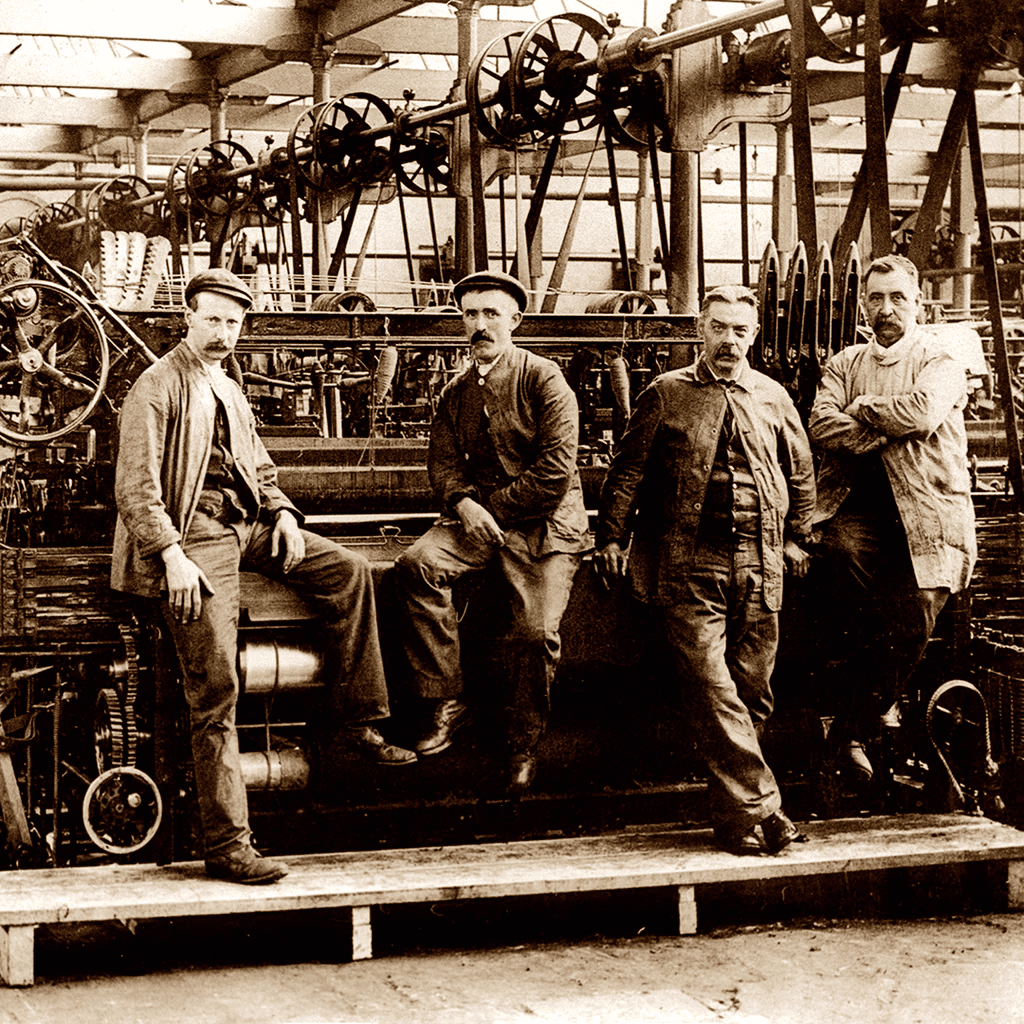
It’s worth noting that the trade union movement profoundly changed the lives of Manchester’s workers, and consequently, their appearance. Workers began to organise and form trade unions to fight for higher wages and improved working conditions.
Initially, any attempt to unite was seen as a rebellion. Workers were dismissed, and leaders arrested. But despair and injustice drove people to organise. They fought for basic rights: limited working hours, increased wages, safety at work, and the prohibition of child labour.
Gradually, the pressure yielded results. Trade unions secured laws reducing working hours and improving sanitary conditions, and crucially, they began to protect workers from arbitrary employers.
By the end of the 19th century, trade unions were actively influencing politics and had become an important part of the working class. Their efforts laid the groundwork for social justice and labour legislation that transformed the lives of millions in Manchester and beyond.
Slowly, thanks to the activities of trade unions, workers’ lives began to improve. Production conditions improved, and the overall culture of work also grew. The working day became shorter, breaks appeared, safety measures were introduced, and employers could no longer ignore their employees’ rights.
The quality of life slowly but surely increased: families had funds for children’s education, decent clothing, and better nutrition. Extreme poverty, which had been the norm for decades, began to disappear. Working-class neighbourhoods became cleaner, and access to medicine and basic social services became more widespread.
Eventually, the appearance of the typical Manchester worker also changed. While previously they were a tormented, exhausted individual in worn clothes, by the late 19th and early 20th centuries, workers looked tidier and more confident, feeling the support of their community and the strength of their trade union. They were no longer disenfranchised cogs in the system – they had become its engine.
- https://heritagecalling.com/2021/11/16/9-interesting-facts-about-life-as-a-19th-century-mill-worker/
- https://www.bbc.co.uk/bitesize/guides/zkxrxyc/revision/2
- https://manchestermanwithvan.com/19th-century-manchester/
- https://www.scienceandindustrymuseum.org.uk/objects-and-stories/worlds-first-industrial-city