

Cancer has long been one of the biggest challenges facing humanity. Behind every statistic is a life, a family, a story. However, for several decades, Manchester has been working to change this. The Manchester Cancer Research Centre (MCRC) is at the heart of these transformations. It is not just a hub for groundbreaking research, but also a powerful driver of education, training, and a place to inspire new generations of oncologists. Read on at manchester1.one.
The Problem of Cancer in Manchester: A Stark Reality in Figures
Manchester is a post-industrial city that has experienced the full negative consequences of a period of rapid industrial development. Although the factories and mills have long ceased operations, the traces of their activities remain. The air, soil, and even the water still contain harmful particles that continue to affect the environment and people’s health, increasing the risk of various diseases, including cancer.
In Manchester, around 18 people die from cancer every day—a grim statistic. This amounts to approximately 6,500 deaths per year, which is about 10% higher than the UK average.
The prevalence of lung cancer is particularly alarming, with a diagnosis rate here that is 37% higher than the national average. The list of most dangerous types also includes cancers of the cervix, liver, oesophagus, stomach, and kidneys. The city leads the North West region in incidence rates.
This increased risk is partly explained by levels of social deprivation: smoking is more common here (about 7% higher than the average), and there is poorer access to screening and healthy food. Thus, the real living conditions and the city’s post-industrial environment directly impact the health of its residents.
The Manchester Cancer Research Centre: The Foundation
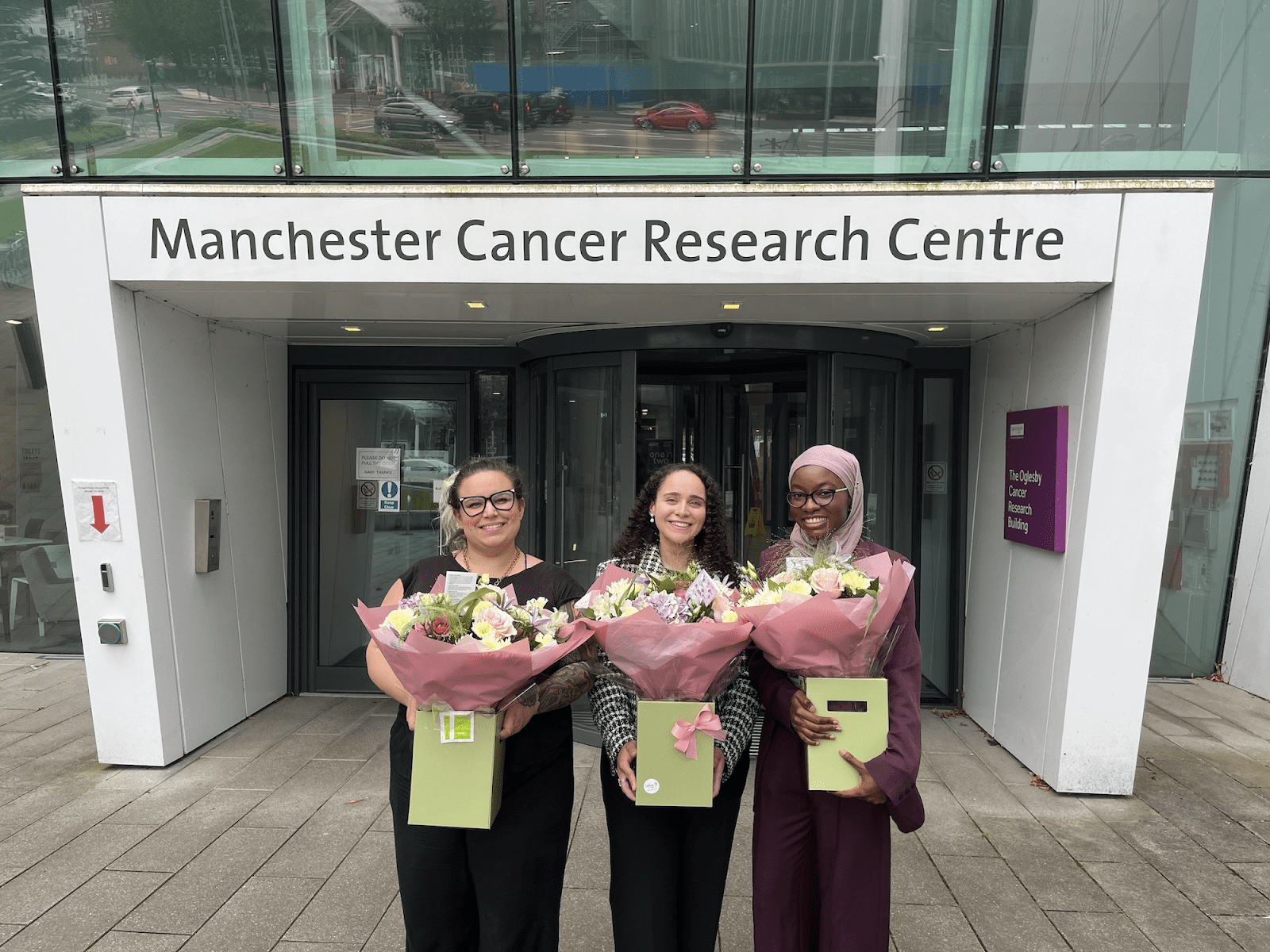
The Manchester Cancer Research Centre is the largest research alliance, created in 2006 by the University of Manchester, Cancer Research UK, and The Christie. The centre operates under the umbrella of the Manchester Academic Health Science Centre, combining academic, clinical, and scientific expertise.
The centre’s goal is to develop personalised approaches to cancer treatment for all patients. This means that laboratory discoveries are quickly moved into clinical trials and then used to treat people, especially considering their individual characteristics.
Education is also a defining mission of the University of Manchester. The centre is not only focused on finding cures but also on nurturing people who want to dedicate their careers to oncology, biology, pharmacology, data analysis, and medical innovation. Educational programmes here range from undergraduate courses to highly specialised doctoral research.
At the University of Manchester, students can choose from courses specifically designed for oncological sciences, including programmes in biomedical sciences, molecular pathology, and oncology. For those pursuing research, the centre offers postgraduate programmes where they conduct cutting-edge laboratory work with access to patients, clinical data, and world-class mentorship.
Crucially, education at the centre goes beyond formal learning. The centre hosts seminars, masterclasses, and conferences where students and specialists can learn about the latest advancements. This continuous exchange of knowledge allows Manchester to remain at the forefront of global oncology research while preparing young scientists to think critically, collaborate effectively, and find innovative solutions in cancer treatment.
The centre invests significantly in training programmes designed to nurture future scientists. Collaborative postgraduate training programmes bring together students from various fields—biology, chemistry, engineering, and computer science—for a multidisciplinary approach to the problem of cancer.
For example, bioinformaticians and data analysts play an increasingly vital role in modern oncology, given the massive volume of genomic data available. The centre offers specialised training that enables students to interpret this information and link it to patient treatment outcomes. Additionally, young doctors gain research experience, allowing them to combine bedside care with cutting-edge scientific discoveries.
The centre also works to broaden participation, encouraging students from underrepresented social groups to pursue careers in science and medicine. This ensures the diversity of perspectives needed to combat such a complex and multifaceted disease.
The Centre’s Breakthrough Achievements
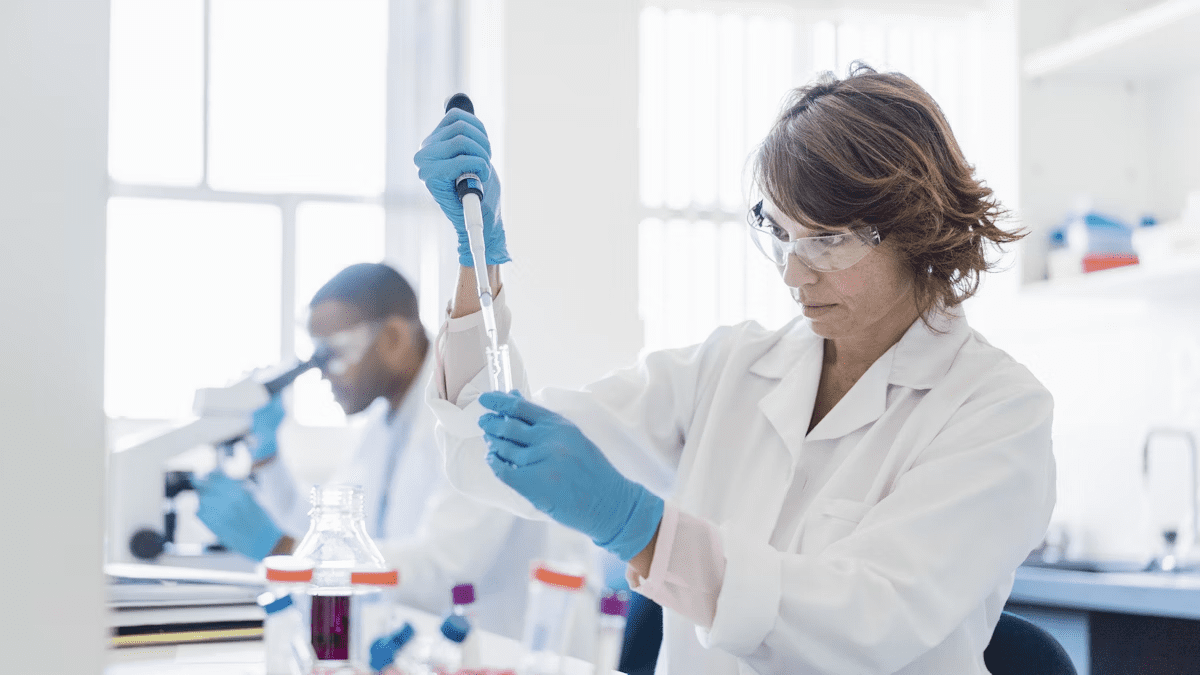
The opening of the Paterson Building was a major milestone not only for the city but for the entire field of oncology in the UK. It’s not just a new facility for the centre; it’s an entire ecosystem where scientists and clinicians work under one roof. This approach allows for the rapid translation of ideas from the lab into real-world practice and significantly accelerates the implementation of new treatment methods.
In 2017, a fire almost completely destroyed the old building, and at the time, it seemed that decades of research could be lost. But Manchester achieved the impossible—a new centre was born from the ashes. Now, three leading organisations are based here: the Cancer Research UK Manchester Institute, the University of Manchester’s Division of Cancer Sciences, and the Christie NHS Foundation Trust’s research group.
The Goal of the Manchester Cancer Research Centre
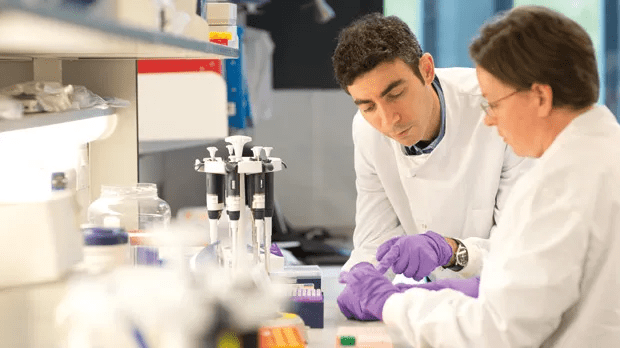
The main task for the centre in the coming years is to make scientific discoveries accessible to patients. Modern laboratories, clinical sites, and a strong team of specialists allow Manchester to set ambitious goals:
- to double the number of clinical trials by 2030;
- to provide thousands of patients with access to new, potentially life-saving treatments;
- to transform Manchester into one of the world’s leading centres in the fight against cancer.
This is incredibly important because oncology is one of humanity’s biggest medical challenges. Each new treatment method can offer years of life or even a full recovery. By combining efforts under the roof of the University of Manchester, researchers aim to shorten the path from the initial scientific idea to its application in the clinic.
The rise in tragic statistics is a reality, but the centre is working to reduce mortality by improving detection and treatment, making it more accessible. Research into biomarkers, various methodologies, and advanced clinical trials are not just scientific achievements but concrete steps to save lives.
Furthermore, the strategic partnership with The Christie Hospital, the largest cancer centre in Europe, provides access to the best clinical practices and training for future specialists. The Manchester Cancer Research Centre is becoming the educational and scientific core that helps overcome the historically high risk of cancer in Manchester and guide the city towards a healthier future.
As a result, Manchester has earned an international reputation as a centre of excellence in oncology research. The city stands out for its comprehensive approach. Patients, researchers, doctors, and students—they are all part of a single ecosystem. This ensures that laboratory discoveries don’t remain abstract but are quickly translated into clinical trials and, ultimately, into treatments that improve patients’ lives. For students and aspiring researchers, this offers a unique opportunity to learn in an environment where science and patient care are closely linked. At the Manchester Cancer Research Centre, education is the foundation of innovation.