

Picture Manchester in the early 20th century—a city bustling with scientific, industrial, and educational progress. In this current of change, figures emerged who didn’t just follow the conventions of the time but actively changed them. One such woman was Mabel Tylecote. She dedicated her life to ensuring education was no longer a privilege for the wealthy and exclusively for men. From childhood, Tylecote believed that knowledge should serve society and open doors for everyone eager to learn. Whether it was a student from a working-class family or an adult deciding to continue their studies. Her name might not be as well-known as, for example, prominent feminists like Emmeline Pankhurst or Lydia Becker, but it was people like her who laid the foundations for the future through their ideas, actions, and unwavering convictions. More at manchester1.one.
A Mancunian with Big Ideas
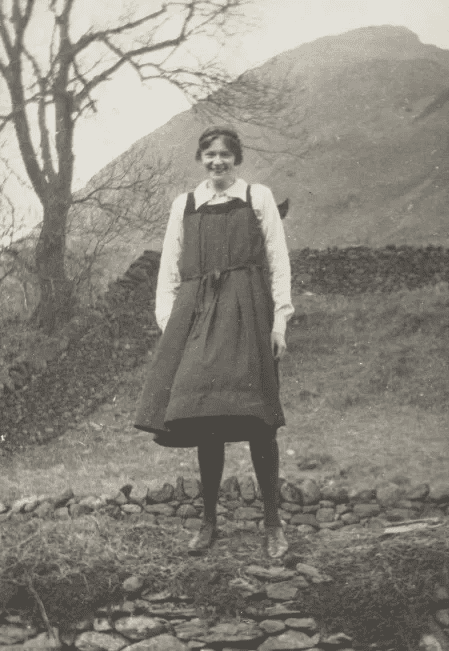
Mabel Phythian, later known to all as Dame Mabel Tylecote, was born in 1896 in Crumpsall, a district of Manchester. She grew up in a family where education and civic participation were considered vital values. Her father, John Ernest Fithian, was a solicitor and an active member of Manchester City Council. He didn’t just work in the legal field; he also strongly supported the development of education in the city, striving to make it accessible to as many people as possible.
From a young age, Mabel understood that learning wasn’t just for the rich, but a right for every individual. She grew up in a family that valued intelligence, curiosity, and a desire to help others. This upbringing would later define her path: she dedicated her life to expanding educational opportunities for women and all who wished to learn, making education accessible, understandable, and beneficial to society.
A Scholar with a Mission
She began studying history at the Victoria University of Manchester in 1915, graduating in 1919. A brilliant student, she earned a fellowship at Columbia University and went on to teach in Wisconsin before returning to the UK to lecture at Huddersfield Technical College. By 1926, she was back in Manchester as an assistant tutor and a PhD candidate. Her doctoral thesis focused on adult education and was published in 1957 under the title The Mechanics’ Institutes of Lancashire and Yorkshire before 1851.
From Academia to Activism
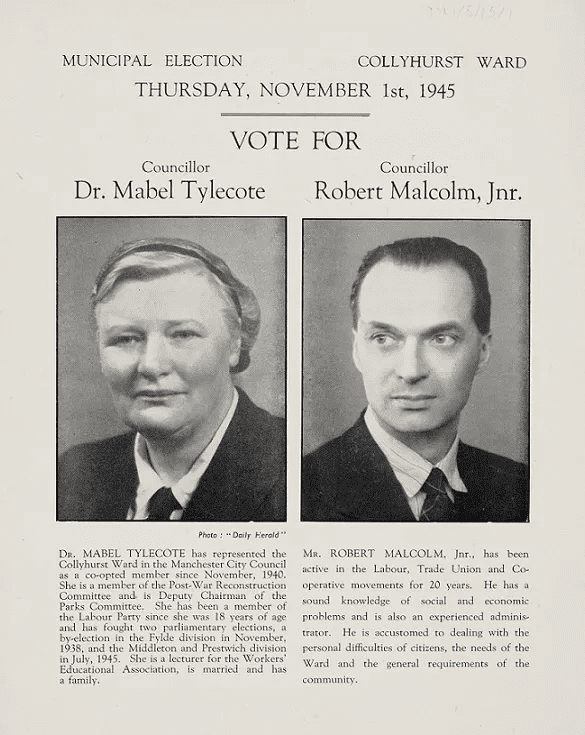
After earning her PhD, Mabel focused her energy on civic activism. She worked with the Workers’ Educational Association, becoming its Vice-President in the 1960s, helping ordinary people gain the access to education they had been denied. Married to Dr Frank Tylecote, she was also a member of Manchester City Council from 1940 to 1951, and later for Stockport from 1956 to 1963. She even stood as a Labour Party candidate in five parliamentary elections. From 1951 to 1977, she shaped educational policy as part of the Manchester Education Committee and the governing bodies of the Mechanics’ Institute (later Manchester Polytechnic, and now Manchester Metropolitan University), which even named a building in her honour, though it was demolished in 2017.
A Legacy of Learning and Equality
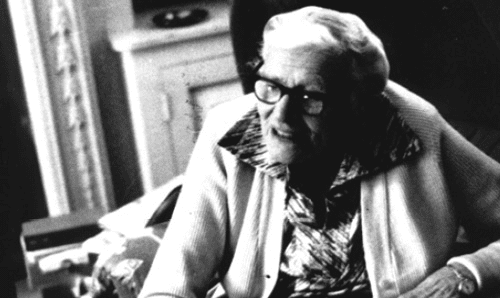
In 1966, Mabel Tylecote was created a Dame in recognition of her political and public services. But the core focus of her life was always education in Manchester. She supported students, taught, fought for equal opportunities, and never abandoned her life’s work.
Even in her books, she didn’t just present dry facts. For instance, in her work, The Education of Women at Manchester University, 1883 to 1933, Mabel highlighted the difficult path women faced in their pursuit of knowledge and education, and the victories they achieved. For her, this wasn’t just history; it was proof that education has the power to change society.
Until her death in 1987, she remained dedicated to her cause. Thanks to her perseverance, the doors of Manchester’s universities became more open to those for whom the path to academia had previously been closed—for women and for adults who yearned to learn.
Mabel Tylecote is an example of a person who made education more accessible and proved that determination and a belief in change can influence an entire city.
Mabel Tylecote may not be the most famous name in Manchester’s educational history, but her impact is undeniable. She was a woman who believed that education should not be a luxury for the few, but a right for everyone. For her, university walls were not a closed world; on the contrary, she sought to throw them open to women, workers, and all who had previously been denied a path to knowledge.
She became a bridge, in a sense, between academia and society. On one side stood the academic world, and on the other, ordinary people who dreamed of the chance to learn. Through her persistence and faith, Mabel managed to connect these two worlds. Today, her contribution can be felt in almost every educational institution in Manchester: in adult education programmes, in the expansion of women’s educational rights, and in the very spirit of accessible knowledge.
In essence, she showed the city that education is not a privilege, but the foundation of a just society.
Sources: