

Manchester City is renowned worldwide for its captivating football, world-class players, and trophy-laden seasons. However, few people know that something far more significant lies behind all this: something that transforms people’s lives through charity. In this article, you will learn not only about the history of Manchester’s famous football club Manchester, but also about its charitable activities. Read more on manchester1.one.
Historical Insights: What You Need to Know About Manchester City
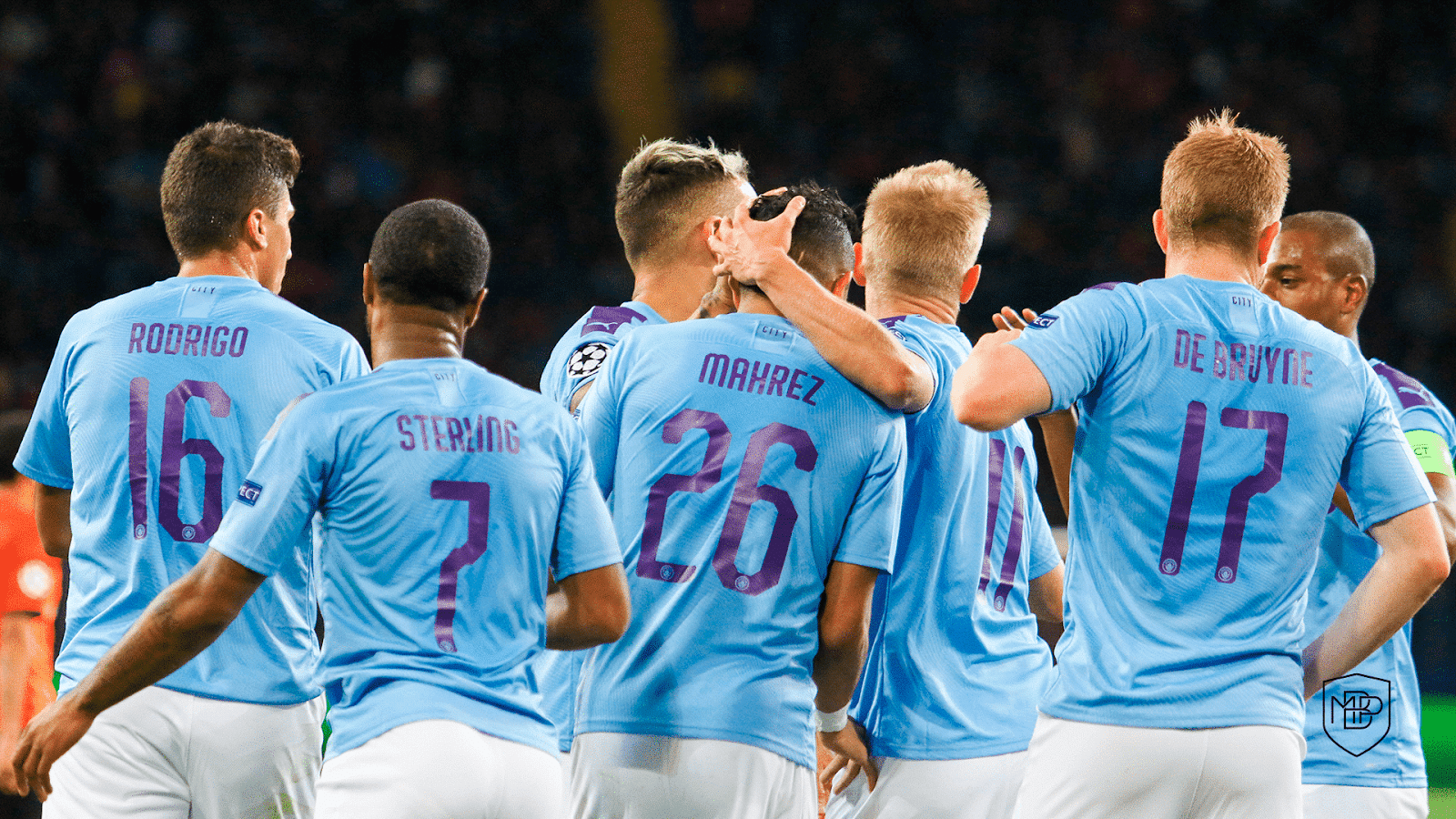
Manchester City in the 21st century isn’t just a football club; it’s a symbol of transformation and success in the world of sport. It was founded in 1880 as “St. Mark’s” (West Gorton) as a social initiative for young people, aimed at reducing violence on the streets of Manchester. It later became known as “Ardwick A.F.C.”, and from 1894, “Manchester City F.C.”
For most of the 20th century, the club remained in the shadow of its more famous rival, Manchester United F.C. However, everything changed after 2008 when investors from Abu Dhabi acquired the club. This marked the beginning of a new era.
In the 2020s, Manchester City is one of Europe’s strongest clubs. Under the guidance of manager Pep Guardiola, the team plays incredibly technical and spectacular football. They’ve secured numerous titles, including the Premier League, the FA Cup, and even the Champions League.
But it’s worth noting that Manchester City isn’t only about sport. Through its charitable foundation, “City in the Community”, the club supports local residents, investing in education, health, and inclusion. Manchester City truly blends global ambitions with its commitment to its home city.
A Club Dedicated to the Community

From its inception in the 1880s as “St. Mark’s”, the club has always pursued the idea of helping and developing the community. Founded through the church, the team was established to combat local gang violence and provide working-class youth with opportunities for positive social interaction. This objective remains a key element of Manchester City’s identity to this day.
Thanks to its charitable arm, the club runs over a dozen different programmes each week, supporting thousands of people right across Manchester. These initiatives focus on physical and mental health, education, and community cohesion, reaching children, teenagers, adults, and older people alike.
Manchester City stands out not only for its donations but also for *how* they are delivered. Their projects aren’t temporary PR campaigns; they’re long-term commitments, meticulously developed, research-based, and tailored to the needs of the local population.
Manchester City: Changing Lives Through Sport and Support

Manchester City’s club programme includes several health-focused initiatives: “Healthy People”, “Healthy Future”, and “Healthy Community”. These help schoolchildren to stay active and learn more about proper nutrition. Concurrently, the “City Careers” initiative prepares young people for employment, offering mentorship, professional skills training, and CV support, which is hugely important in a city where some areas still grapple with poverty and unemployment.
For those experiencing mental health difficulties, sessions with the Manchester City mental well-being charity create a safe space, especially for men, where they can openly discuss issues and combat ingrained stigmas. Programmes like “Cityzens Giving”, a global initiative, encourage fans to vote for youth-led community projects around the world that should be funded, significantly democratising charity.
Even during the COVID-19 pandemic, Manchester City launched a massive aid effort. The Etihad Stadium was transformed into a testing facility and vaccination centre. Additionally, the Manchester City charity delivered food parcels to vulnerable families. The club’s response to the epidemic’s spread was instantaneous.
Empowering Youth

Perhaps it’s worth noting that one of Manchester City’s most crucial objectives is investing in young people. Education and sport go hand-in-hand in their work. They don’t just donate footballs to schools; they provide children with tools for life, further development, and career progression.
Children from disadvantaged areas are invited to free coaching courses, where they learn not only how to play but also how to work in a team, manage emotions, and build self-confidence. There are also programmes that integrate sport into English language, mathematics, and personal hygiene and health education lessons. This approach sustains children’s interest and inspires them.
For older teenagers, there’s mental health support, job search assistance, even mock interviews, and internship opportunities. In a post-industrial city that faces the realities of the modern world, such investments don’t just change lives; they transform entire generations.
More Than Just a Football Club: Manchester City

Although Manchester City in the 21st century is a globally recognised club, part of the international “City Football Group”, its true heart remains in Manchester. In periods when the team hadn’t yet won trophies and played inconsistently, it was supported by ordinary Manchester residents – workers, teachers, nurses, and families from the surrounding areas. And when Manchester City became champions of Britain, Europe, and one of the most famous football clubs on the planet, it didn’t forget those who had been there from the very beginning.
For instance, the Etihad Football Campus isn’t a closed training ground, hidden behind tall fences. It’s a place organically integrated into the city itself. Local residents use its grounds as a park: there are cycle paths, walking trails, educational activities, and sports clubs. This is all part of a bigger idea: to make the club accessible, open, and beneficial to people. And behind all this lies the real work of the “City in the Community” charitable foundation, which has been active since 1986. It organises free football coaching for children, sessions for people with disabilities, and support for young people facing psychological or financial difficulties.
Beyond this, Manchester City publicly advocates for equality, respect, and inclusivity. The club supports the LGBTQ+ community and runs campaigns against racism, discrimination, and violence. They set an example of what a modern football club should be.
A particular aspect of the charity’s work involves volunteer initiatives. When the COVID-19 pandemic paralysed the country, club staff and volunteers helped deliver food parcels to those in need, organised virtual meetings for lonely people, and supported children who were left without access to school education.
Over the last few decades, Manchester has changed significantly. From an industrial city, it has transformed into a dynamic hub of culture, technology, and sport. And Manchester City has become an integral part of this process. The club isn’t just keeping pace with the times – it’s shaping Manchester’s future.
To be a Manchester City fan means being part of a community that believes in a bright future, equality, and development. It’s more than football. It’s about dignity, humanity, and a readiness to act.
Manchester City doesn’t only win on the pitch; its true achievement is how it changes lives beyond the stadium. Football isn’t just about goals and league tables. It’s the moment a child from a struggling family receives their first pair of football boots. It’s the smile of an older person who was helped in a difficult moment. It’s the dignity the club instils in every one of its social projects.
In a world where football clubs are increasingly becoming corporations, Manchester City remains a truly big family, where everyone is helped and supported. And the real greatness of Manchester City isn’t the number of titles it has won, but the number of hearts it has managed to touch.