

In the early 19th century, Manchester was a city where art and industry thrived. It was a hub of cultural development, filled with energy and ambition. Among the notable figures who shaped that era was Edward Orme, an engraver, artist, and publisher of illustrated books who left an indelible mark on his time. Next on manchester1.one.
Historical Background of Edward Orme from Manchester
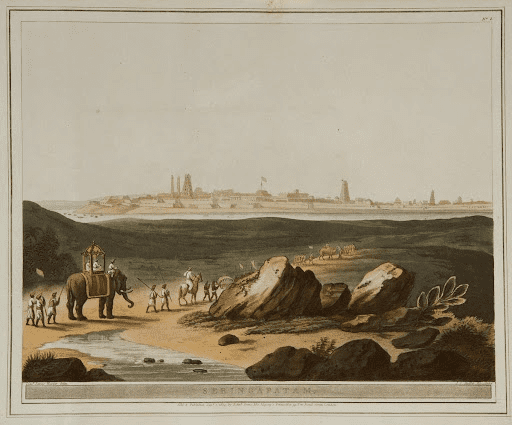
Edward Orme was born in 1775 in Manchester, a city rapidly transforming due to the Industrial Revolution. Alongside the rise of industry, culture and art began to flourish, creating an environment that nurtured Orme’s artistic talents.
Unfortunately, little is known about Orme’s early life. Historical accounts reveal only that he was born into a family whose patriarch was a flannel weaver.
A Manchester-born Engraver and Artist
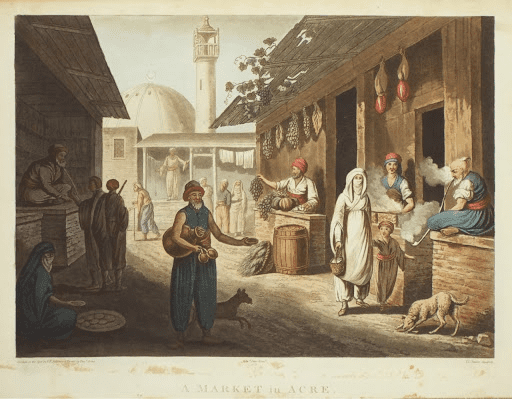
At a time when Manchester’s industrial sector dominated, Orme chose a creative path. From a young age, he demonstrated a keen interest in art, particularly the intricate craft of engraving. This art form, which involved carving designs onto hard surfaces to create prints, demanded both precision and creativity.
Engraving was a popular medium in Britain during the 18th and 19th centuries, used extensively to reproduce images for books, newspapers, and other publications. It made art more accessible to the public. Orme’s passion for engraving led him to build a career that garnered recognition for his talent.
Over his career, Orme produced an astonishing 700 etchings and paintings, many of which are now housed in the National Portrait Gallery. Between 1799 and 1820, Orme served as an engraver to King George III and to the Prince of Wales until 1830.
Career Development
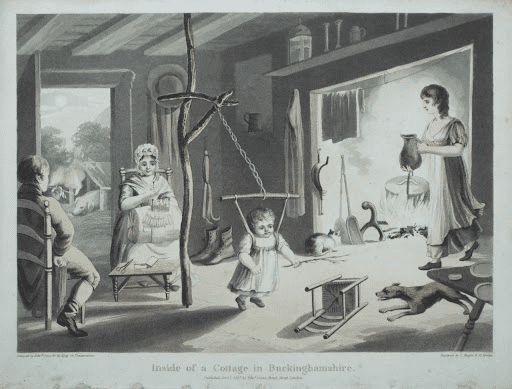
Orme’s early works as an engraver were noted for their meticulous attention to detail. He had a unique ability to convey the essence of his subjects through his art. His engravings were not mere reproductions; they were works of art infused with emotion and movement. This ability to capture depth and nuance set him apart from his contemporaries and cemented his reputation as one of the finest engravers of his time.
In addition to engraving, Orme ventured into publishing, focusing on illustrated books. At the end of the 18th century and into the 19th, Manchester saw a significant increase in literacy rates, which spurred demand for books. Orme seized this opportunity to combine his skills as an engraver and publisher, producing illustrated books that blended visuals and text into captivating narratives.
One of Orme’s most notable contributions to publishing was his work on the book “Historic, Military, and Naval Anecdotes”, which depicted major events of the Napoleonic Wars. His engravings vividly captured the drama and intensity of the battles. The book became not only a historical record but also an artistic masterpiece that drew readers into the stories of the turbulent times.
In 1800, Orme opened his first engraving shop on Conduit Street in Mayfair. Its success allowed him to establish a second shop in 1801 at the corner of New Bond Street and Brook Street. Over the years, he published numerous books of aquatints and etchings, solidifying his place as a legend in his field.
A Multitalented Artist
Beyond engraving and publishing, Orme was also a skilled painter. He created a wide array of works, including paintings, drawings, and watercolours, often portraying scenes from everyday life. His art was known for its sharp attention to detail and profound empathy for its subjects. Whether depicting bustling market scenes or quiet moments of contemplation, Orme’s work reflected the beauty and complexity of the world around him.
Mentorship and Legacy
In his later years, Orme dedicated himself to nurturing the next generation of artists and writers. He organised workshops and creative gatherings, sharing his expertise and inspiring others. His studio became a hub for discussing new ideas and artistic trends, fostering cultural and artistic development in the region.
Orme lived a long and fulfilling life, contributing to the cultural fabric of both Manchester and Britain as a whole. He passed away in 1848 at the age of 73. Initially buried in St. Mary’s Church in Paddington, his remains were later transferred to Kensal Green Cemetery in London, where his legacy as a master engraver and artist endures.