

St Bede’s College, founded in 1876 in Manchester, is one of the oldest Roman Catholic schools in the United Kingdom. It is more than just a religiously inclined educational institution—it is a testament to the growth and evolution of Catholic education in the city. From its origins as a small diocesan college focused on preparing boys for the priesthood, the institution has expanded into a coeducational school offering a broad, inclusive curriculum. Throughout the decades, one aspect has remained constant: the college’s dedication to its Catholic values and traditions. Next on manchester1.one.
Historical Foundations of the Roman Catholic School in Manchester
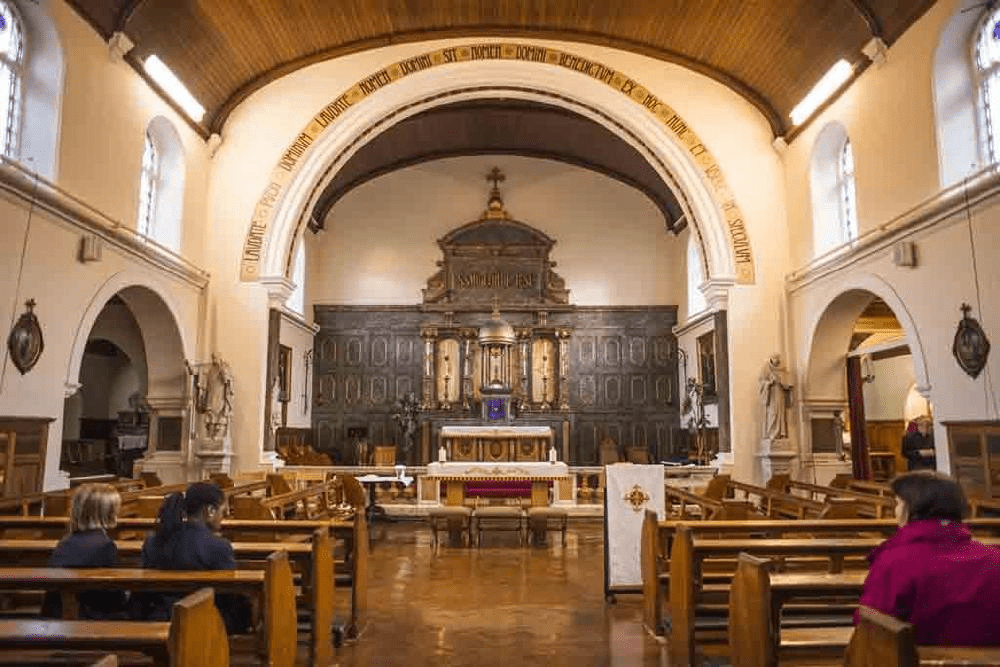
The origins of St Bede’s College are deeply rooted in the broader history of Catholic education in the UK, which began to flourish in the 19th century following the gradual repeal of legal restrictions on Catholic institutions.
The college was established by Herbert Vaughan, later Cardinal Vaughan, in 1876 to provide high-quality education for Catholic boys in Manchester and the surrounding areas. Its mission was to prepare Catholic sons of Manchester for careers in business and other professions.
The college was named after Saint Bede the Venerable, an English monk, historian, and scholar. His commitment to faith and knowledge made him a fitting symbol for the school’s mission to instil wisdom, humility, and devotion in its students.
Growth and Expansion of the Catholic School
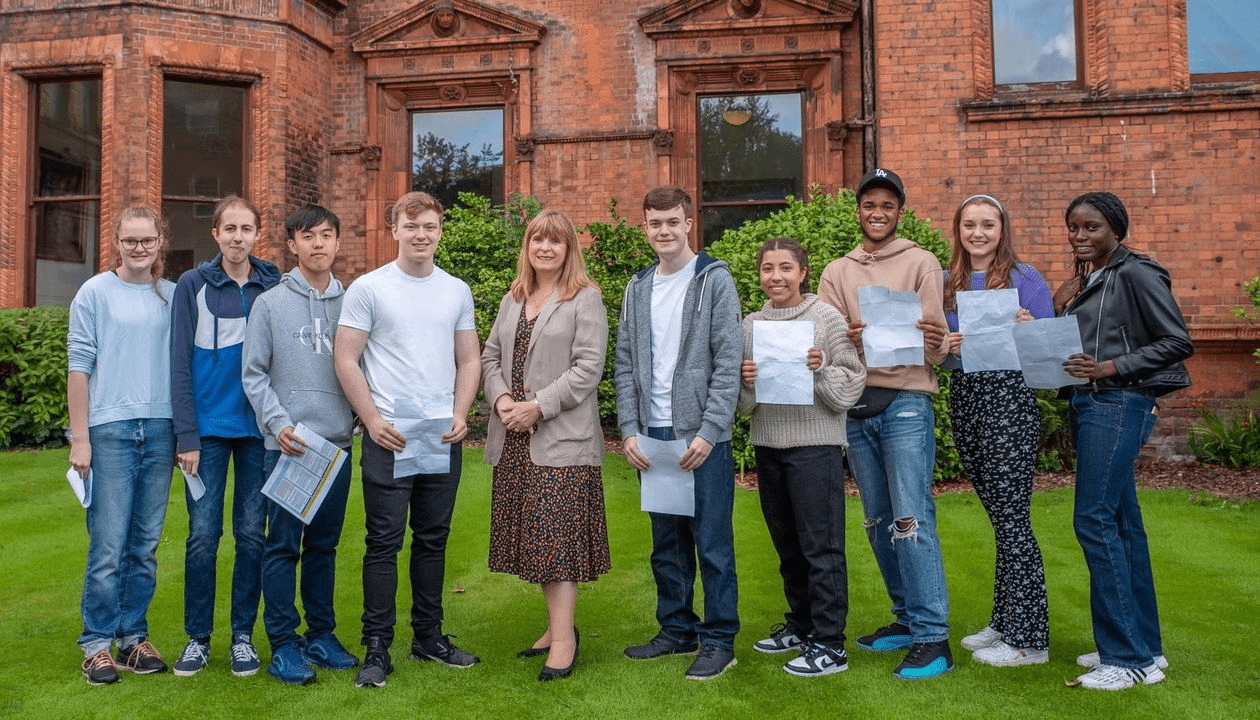
As Catholic education grew in popularity, St Bede’s College quickly expanded, attracting Catholic families from across Manchester and beyond. By the early 20th century, the school had developed both its physical facilities and its curriculum, incorporating subjects beyond theology, such as science, languages, and the arts, and earning a strong reputation for sports, particularly rugby.
During the 20th century, the college became renowned for its discipline, moral education, and high academic standards, drawing students from across the country. Alumni went on to achieve prominence in fields such as law, medicine, business, and the Catholic clergy. Notable graduates include:
- Clint Boon – Musician and DJ
- Colin Baker – Actor, best known as the Sixth Doctor in Doctor Who
- Geoffrey Burke – Auxiliary Bishop of Salford
- Philip Hughes – Renowned historian
- José Gutiérrez Guerra – President of Bolivia (1917–1920)
- Professor John Clancy – Former Leader of Birmingham City Council
- Phil Foden – Footballer for Manchester City
- Major General Joseph Baillon – British Army General
- Robert Churchhouse – Mathematician
Modern History and Controversies

A significant milestone in the history of St Bede’s College came in the late 20th century when it transitioned to a coeducational model, admitting girls alongside boys for the first time. This change reflected the evolving landscape of education in the UK and the need for the college to remain competitive.
In the 21st century, the college has made concerted efforts to modernise, introducing advanced technologies into its classrooms, upgrading facilities with state-of-the-art science labs and IT complexes, and adapting its curriculum to meet contemporary needs. Despite these changes, the school has remained steadfast in its commitment to its core Catholic principles.
Today, the college offers a robust academic programme designed to prepare students for GCSE and A-Level exams, with strong focuses on science, humanities, arts, and languages. Alongside academics, St Bede’s prioritises moral education, encouraging students to embrace their faith through liturgical services, charitable work, and community involvement. Regular masses and retreats aim to nurture the spiritual growth of students.
The college also runs a pastoral care programme rooted in Catholic values, emphasising character development by encouraging students to be honest, kind, and respectful in all aspects of their lives.
However, the college’s rich history has not been without its challenges.
In 2008, former teacher Father William Green was charged with multiple counts of indecent assault and inappropriate behaviour towards students during the 1970s and 1980s. He admitted to the crimes, was imprisoned, and died shortly after his release.
In 2011, Manchester Evening News published an article about Monsignor Thomas Duggan, who served as the college’s rector during the 1950s and 1960s. The article alleged psychological, physical, and sexual abuse of students during his tenure.
St Bede’s College remains a pillar of Catholic education in Manchester, combining a modern approach to learning with a steadfast adherence to its spiritual roots. The institution continues to thrive, shaping future generations while acknowledging and learning from its complex history.