

In the 21st century, Manchester stands as a cultural, financial, and commercial hub of England. Renowned for its industries—machinery, textiles, chemicals, and paper production—the city also excels in education, being home to the prestigious University of Manchester. Alongside its industrial and academic strengths, Manchester is a vibrant tourist destination, boasting architectural landmarks, museums, monuments, and unique hotels. Among these is one of the city’s oldest and most iconic establishments: The Midland Hotel. Next on manchester1.one.
Founding History
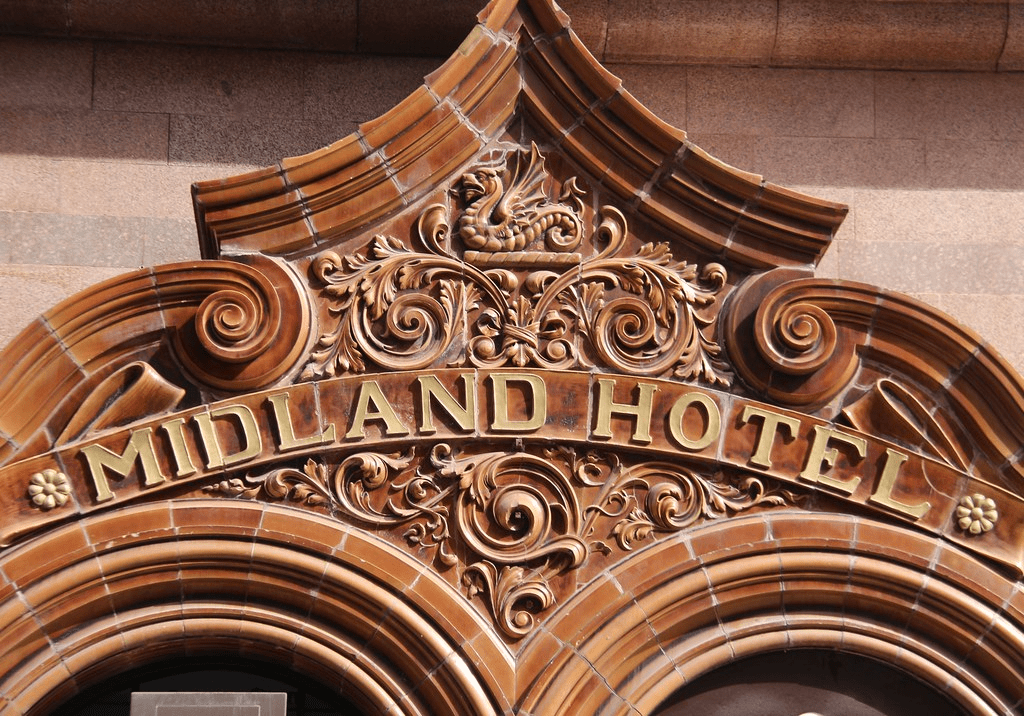
Unsurprisingly, the hotel’s name traces its origins to the Midland Railway. The idea for the hotel was born in the late 19th century, as a facility to serve the passengers of Manchester Central Railway Station, which frequently welcomed Midland Railway express trains. Lacking adequate accommodations for these travelers, the construction of a grand hotel became a necessity.
Designed by Charles Trubshaw, the project was commissioned by the Midland Railway and erected directly opposite Manchester Central Station between 1898 and 1903. The construction, which cost a staggering £1 million, culminated in the grand opening of The Midland Hotel in 1903.
With 312 en-suite rooms, 14 luxury suites, a wellness club, and two restaurants—“Adam Reid at The French” and “Mount Street Dining Room & Bar”—the hotel also boasted a 1,000-seat theater. Dubbed the “Palace of the 20th Century,” The Midland welcomed over 70,000 guests in its first year of operation.
Unique Architecture
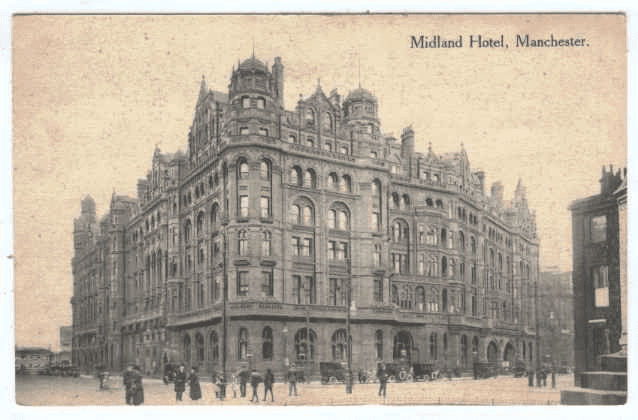
The Midland Hotel, built in the Edwardian Baroque style, remains a Grade II-listed architectural masterpiece. Its vivid design of red brick and brown terracotta gives it the appearance of a majestic castle. A steel structure forms the backbone of the building, incorporating polished granite and Burmantofts terracotta, materials chosen for their minimal environmental impact—a progressive consideration for its time.
Famous Guests: From Queen Elizabeth to Adolf Hitler and the Birth of Rolls-Royce
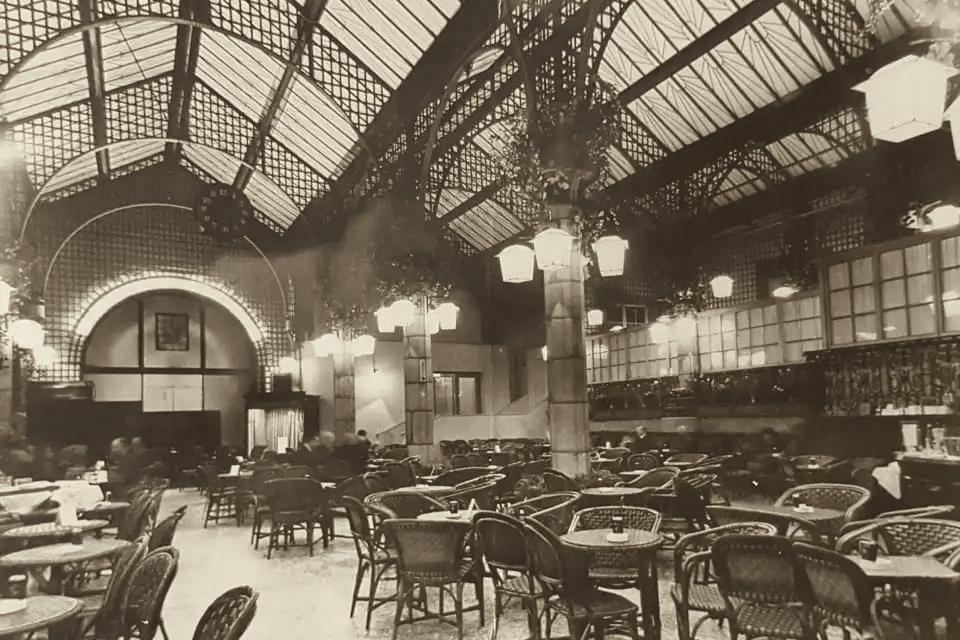
Surprisingly, Adolf Hitler had a strong connection to The Midland Hotel. Enamored with Edwardian Baroque architecture, Hitler was a frequent guest at the hotel. During World War II, Manchester likely served as a Nazi headquarters, and The Midland miraculously escaped bombing, preserving its architectural beauty.
Another notable moment in the hotel’s history occurred in 1904 when Charles Rolls met Henry Royce at The Midland. Their meeting led to the formation of Rolls-Royce Limited, marking a pivotal moment in automotive history.
In 1959, Queen Elizabeth II visited Manchester for the Royal Variety Performance at the Palace Theatre. Following the event, Her Majesty dined at The Midland’s restaurant. Other distinguished guests included Charles Lindbergh, Winston Churchill, and The Beatles.
Growth and Evolution
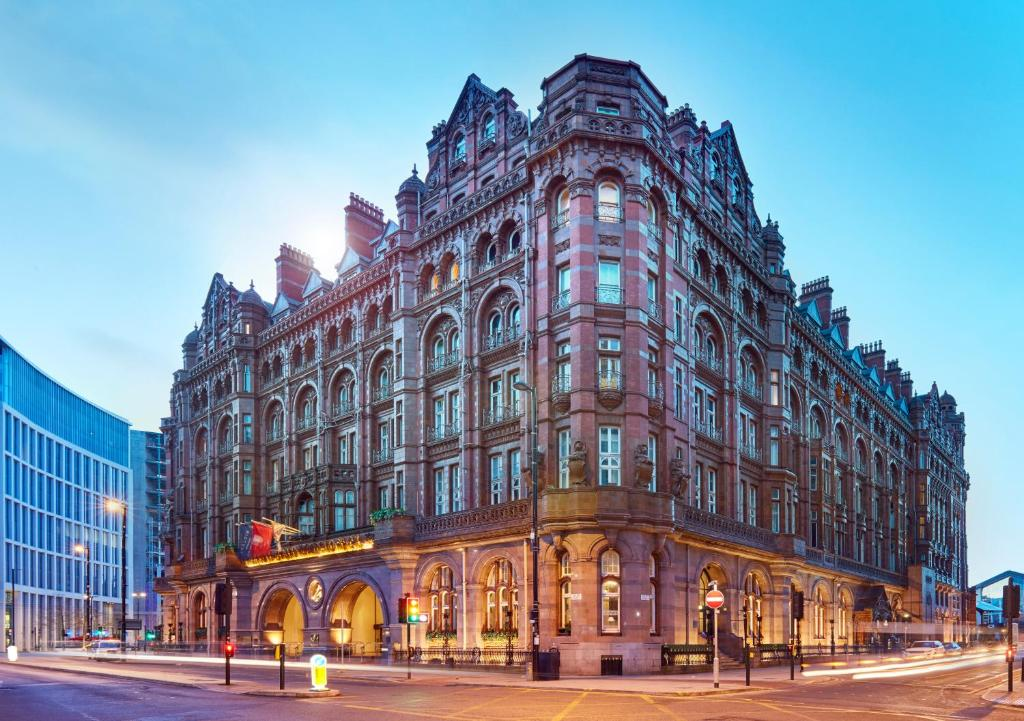
Throughout the 20th century, The Midland Hotel maintained its status as a symbol of luxury and elegance. It welcomed countless dignitaries and became one of the finest hotels in Manchester and beyond.
In the 21st century, the hotel continues to offer exceptional accommodation, with rooms ranging from classic styles to expansive suites with panoramic city views. Each space combines classical elegance with modern comforts, meeting the diverse preferences of its guests. Standard rooms at the hotel start at £360 per night.
The hotel’s restaurants also uphold its reputation for excellence. The Michelin-starred “Adam Reid at The French” offers exquisite dining in an elegant setting, catering to the most discerning palates.
The Midland Hotel is more than just a place to stay—it is a testament to Manchester’s rich history, an architectural gem of the 20th century, and a symbol of elegance and luxury. In the 21st century, it continues to be an integral and cherished part of Manchester’s historical legacy.