

The 19th century was a transformative era for Manchester, marked by the rise of new institutions, organizations, industrial sites, and flourishing trade. Manchester became the industrial hub of Great Britain. Among its notable figures was Elijah Dixon, an active participant in the reform movement in industrial Lancashire and a close associate of some of the most influential figures of the time. Known by many as the “Father of English Reformers,” Dixon played a pivotal role in shaping the city’s progress. Next on manchester1.one.
Early Life of Elijah Dixon
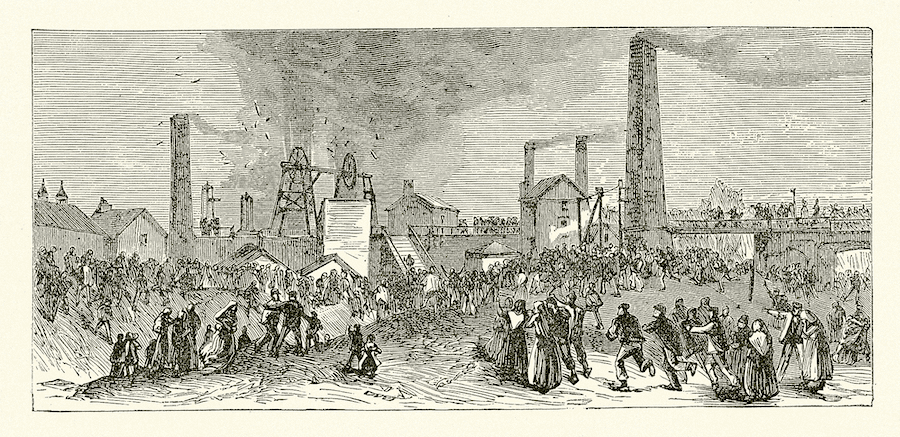
Born in 1790 in Kirkburton, near Huddersfield, Elijah Dixon displayed a curious mind and unrelenting work ethic from a young age—traits that paved the way for his eventual success.
Seeking better opportunities, his family moved to Manchester, where Dixon began working in the city’s burgeoning textile industry. Long hours and demanding conditions shaped his appreciation for hard work, discipline, and perseverance, values that he carried throughout his life.
The Textile Industry and Imprisonment
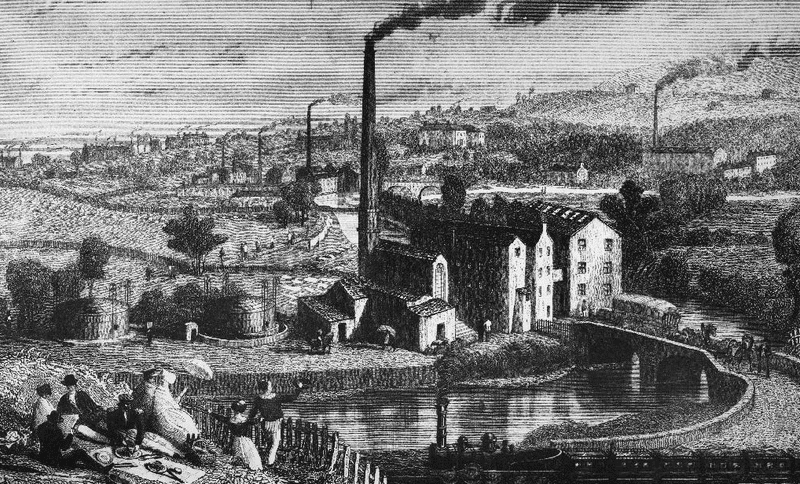
The post-Napoleonic War depression had a severe impact on the textile industry, leaving many workers, including Dixon, disillusioned. The government, fearing potential uprisings, suspended habeas corpus, allowing the detention of individuals suspected of conspiring against the Crown and the state.
Dixon actively participated in protests and uprisings, including the “Blanketeers’ March,” a demonstration of mostly Lancashire weavers demanding universal suffrage. The marchers intended to deliver a petition to the Prince Regent in London, decrying the state of the textile industry and the suspension of habeas corpus. However, the government met the demonstration with force, dispersing the marchers and arresting its leaders, including Dixon.
He was detained at his Manchester workplace and taken to London in shackles, where he was held at Tothill Fields Bridewell. There, he faced the Home Secretary and Lord Sidmouth and was accused of high treason.
Although eventually released without trial, Dixon petitioned Parliament for damages and demanded recognition that suspending habeas corpus had been a mistake. The events surrounding the “Blanketeers’ March” culminated in the Peterloo Massacre of 1819, where 18 people died, and 700 were injured after cavalry charged a crowd of workers calling for parliamentary reform.
Career Development
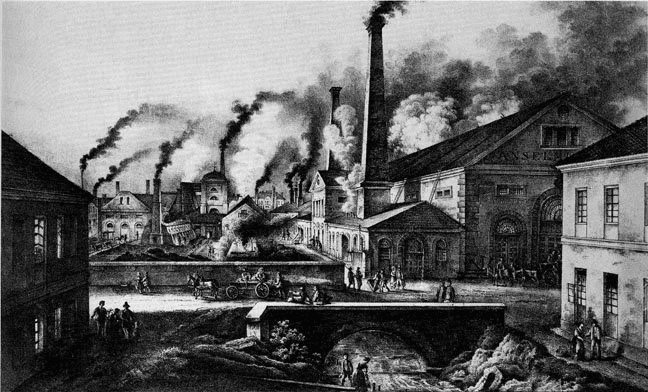
After his release, Dixon left the textile industry, trying his hand at various professions. He initially worked as a traveling milk seller before finding success as a producer of pillboxes and matches. One of his small businesses grew into Dixon & Nightingale, a large match and timber manufacturing enterprise. By 1850, Dixon’s company employed over 450 workers, cementing his reputation as a respected industrialist.
Beyond his entrepreneurial success, Dixon supported numerous social causes, including temperance movements, the abolition of slavery, and the growing cooperative movement in Manchester. He served as a mentor and delivered lectures at the Manchester Mechanics’ Institute.
Dixon also took an interest in land reform inspired by the Owenite movement and chaired the Manchester Reform Association in 1832. In this role, he campaigned against proposed voter registration laws.
A Legacy of Impact
Dixon was not only a successful entrepreneur but also a civic leader and reform advocate. He created jobs, championed social initiatives, and fought for workplace reforms. His efforts earned him widespread respect and admiration from the people of Manchester.
He passed away in 1876 at the age of 86, leaving behind a legacy of progress and an indelible mark on the city he worked tirelessly to improve.