

Manchester, a city rich in history and diversity, is surrounded by fascinating tales and legends. One of the most intriguing stories is about the operation of Cheadle Royal Hospital, the local psychiatric institution. This facility played a crucial role in providing the first psychiatric care in the city during its early days. With origins dating back to the 18th century, the hospital became a centre for transforming psychiatric practices, societal perceptions, and the structure of mental health treatment in Manchester. Do you know the rich history, milestones, unique features, and the impact this hospital had on shaping the mental health sector in Manchester? Next on manchester1.one.
The Founding of Manchester’s Psychiatric Hospital
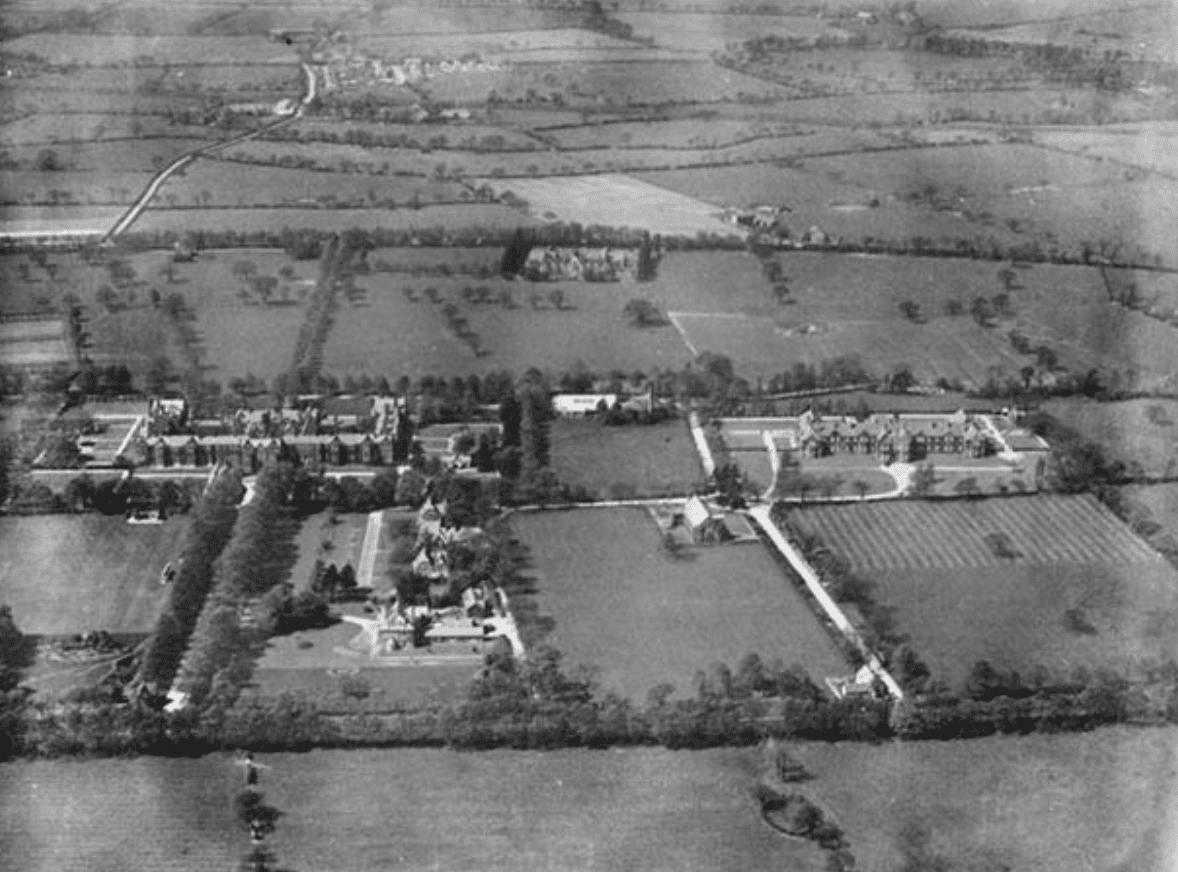
The first hospital for the mentally ill in Manchester was established in 1763. At the time, only two similar institutions existed in the UK: Bethlem Royal Hospital in London and St. Luke’s Church in London. The opening of a new facility for the mentally ill marked a new era in British psychiatry.
The original psychiatric hospital was located near the Manchester Royal Infirmary. The building was designed in an Elizabethan style by architect Richard Lane. It was a modest structure, initially accommodating just a few beds. However, psychiatric services were in high demand, and by the early 19th century, the Manchester psychiatric hospital housed over a hundred patients.
In 1840, the hospital relocated to Cheadle, 10 miles (16 kilometres) from Manchester, giving the hospital its present name.
Development of Cheadle Royal Hospital
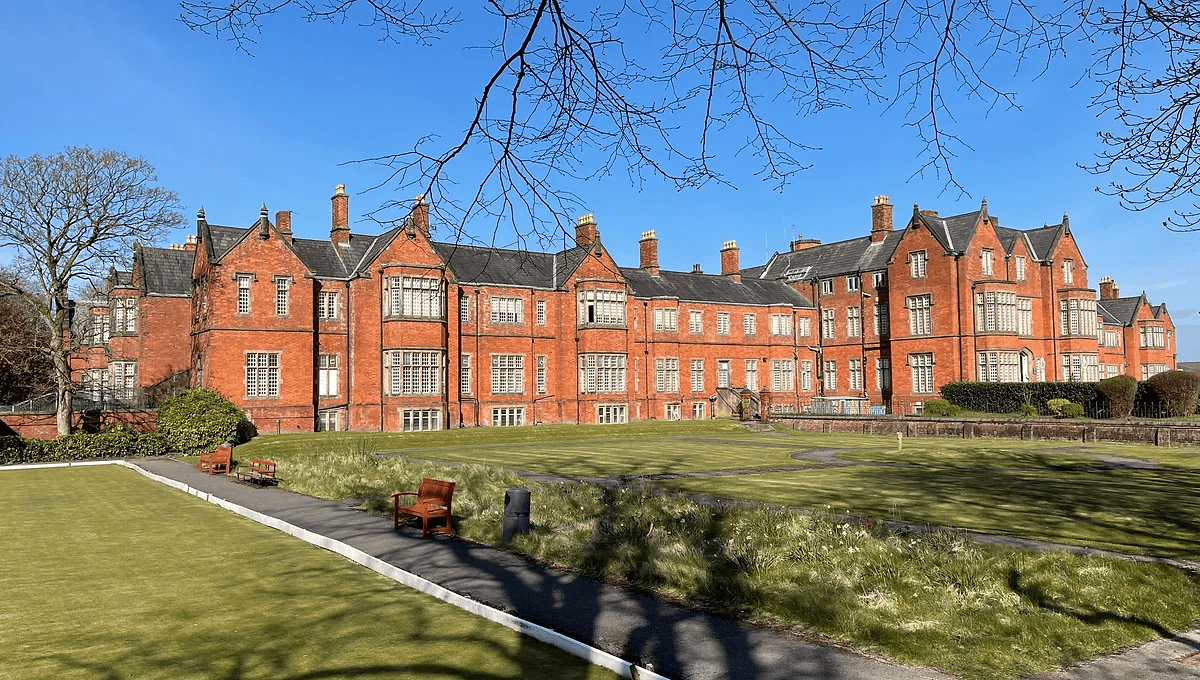
Cheadle Royal Hospital, near Manchester, was established to provide a refuge for people suffering from various mental disorders. It was designed to offer an alternative to the harsh asylums of that era.
The facility was unique. It occupied a vast area of land with expansive gardens, patient wards, and spaces for sports and recreation.
Over the years, the hospital developed and expanded. In 1903, North House was opened, accommodating an additional 80 patients. Within a few years, the facility grew to serve over 400 patients.
The Hospital’s Operations and Treatment Methods
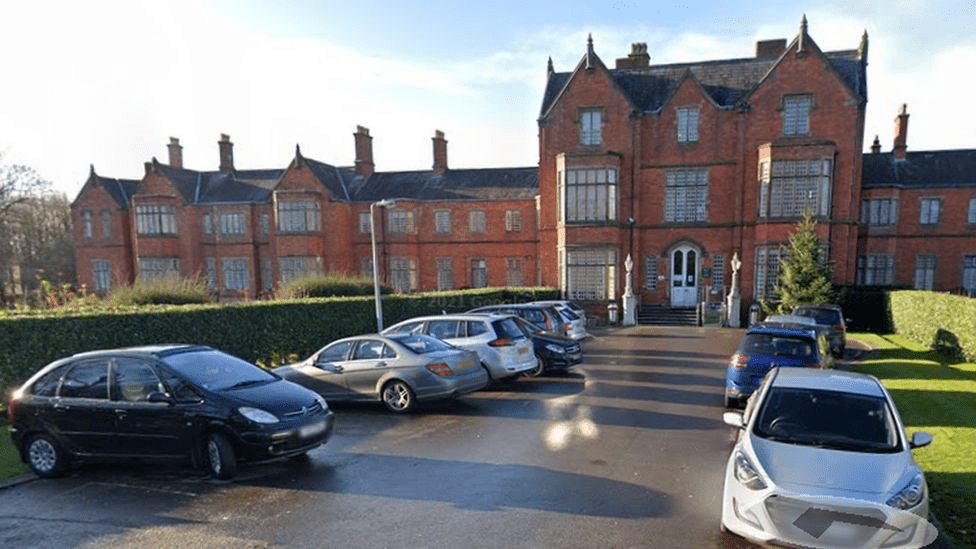
Cheadle Royal Hospital stood out not only for its architecture but also for its approaches to treating mental illness. In the early 20th century, the hospital was at the forefront of significant progress in understanding mental health. New treatments such as occupational therapy and psychoanalysis were introduced, reflecting a more holistic and humane approach to psychiatric care.
The mid-20th century brought both progress and challenges for Cheadle Royal Hospital. The advent of psychiatric medications revolutionised treatment approaches, offering new hope for patients whose conditions were previously deemed untreatable. Despite its successes, the hospital frequently faced issues of overcrowding and limited resources.
Because of its reputation and quality of care, Cheadle Royal Hospital often catered to notable individuals, including:
- Johnny Briggs, a cricket player who never recovered from mental illness and died at the asylum in 1902 at the age of 39.
- Margot Bryant, an actress who suffered from Alzheimer’s disease and remained at Cheadle Royal Hospital until her death in 1988 at the age of 90.
- Arthur Ransome, a children’s author and journalist, who passed away at the hospital in 1967 at the age of 83.
The late 20th and early 21st centuries marked a period of revival for Cheadle Royal Hospital. The hospital underwent a series of renovations and expansions, modernising its facilities to meet contemporary psychiatric care standards. Integration with general health services became a priority, promoting a more comprehensive approach to the interplay between mental and physical health.
In the 21st century, Cheadle Royal Hospital became a centre for psychiatric research and education. Collaborations with universities and research institutes facilitated the development of innovative treatments. The hospital consistently sought to advance psychiatric knowledge and strengthen its reputation as a leader in cutting-edge research in psychiatry.
Promoting mental health awareness became a key focus of the hospital’s work in the 21st century. Over the years, Cheadle Royal Hospital in Manchester implemented various initiatives aimed at raising public awareness about mental health issues, combating stereotypes, and influencing policy. The hospital actively participated in national and regional discussions on psychiatric care reform, using its achievements, research, and experience to shape more progressive mental health policies for the city and the nation.