

There is no one in Manchester who hasn’t heard of Chetham’s School of Music. Located in the heart of the city, it boasts unique architecture and offers independent co-educational music education for students aged 8 to 18. Admission is granted based on a music audition. Next on manchester1.one.
In addition to its modern role, Chetham’s School of Music has served for centuries as a centre for musical education and cultural enrichment in Manchester. The school’s history is deeply intertwined with the growth of the city and the development of music education across England.
Ancient Times: What Was on the School’s Site Before Its Establishment?
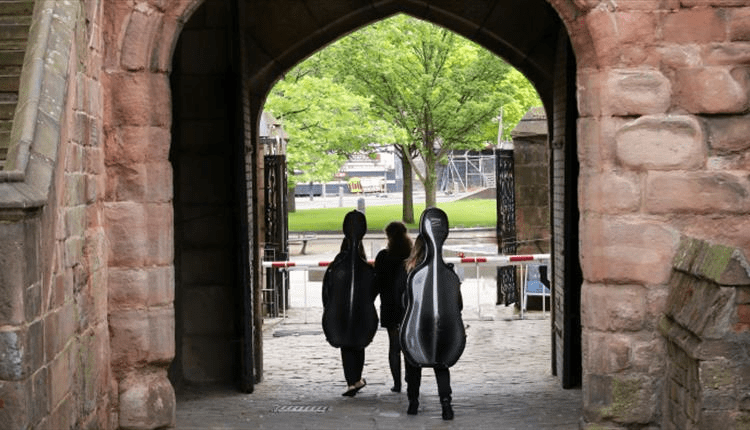
Chetham’s School of Music stands on a historic site—the former location of Manchester Castle, once owned by the influential Grelley family. During the medieval period, Manchester developed around the castle and a parish church.
In the 14th century, the land was purchased by Thomas de la Warre, who restored the church as a collegiate institution. By the 16th century, the college was acquired by Edward Stanley, 3rd Earl of Derby. Over the years, it underwent multiple name changes and transformations until it became Manchester Cathedral in 1847.
However, the establishment of Chetham’s School owes much to Humphrey Chetham, a wealthy textile merchant and philanthropist. Chetham, unmarried and childless, left his fortune to establish both a hospital and a school in Manchester. His vision was to provide education to the poor, particularly the sons of honest and industrious parents. His initiative laid the foundation for the school, fostering musical talent for centuries to come.
Development of the Institution
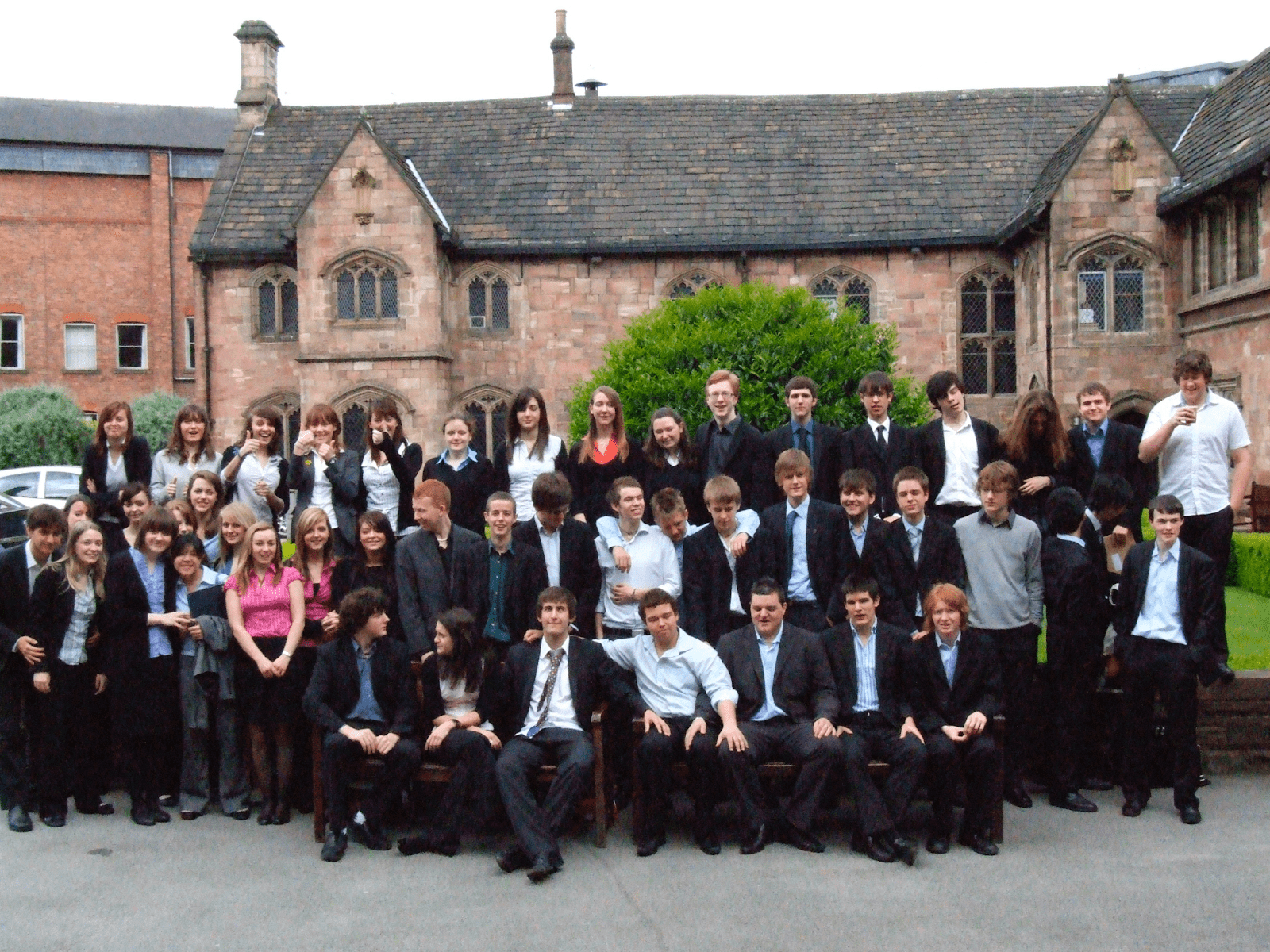
Chetham’s vision was not immediately realised, but the school finally opened its doors in 1656. The college’s popularity grew rapidly, with every Manchester resident eager to provide their children with a quality education. By the 1870s, the school’s student population had grown to 100.
However, not all boys were admitted. The admissions process considered parish residency, financial need, health, and family background. Boys born out of wedlock or unable to read were not accepted.
Over time, the school’s budget dwindled, limiting its capacity to admit more students. To economise, the number of places was reduced, and by 1916, the school ceased admitting new students entirely due to financial constraints caused by World War I.
World War II brought significant changes to Chetham’s School of Music. During the war, the school and its students were evacuated to another city, and the school building was damaged by a bomb explosion. After the war, Manchester’s authorities deemed it impractical for the school to return to its original premises, repurposing the site as a religious education centre. However, within a few years, the city decided to restore the legendary school. In 1952, Chetham’s School was reorganised as a grammar school and merged with Nicholls Hospital School.
What Happened When the School Ran Out of Money?
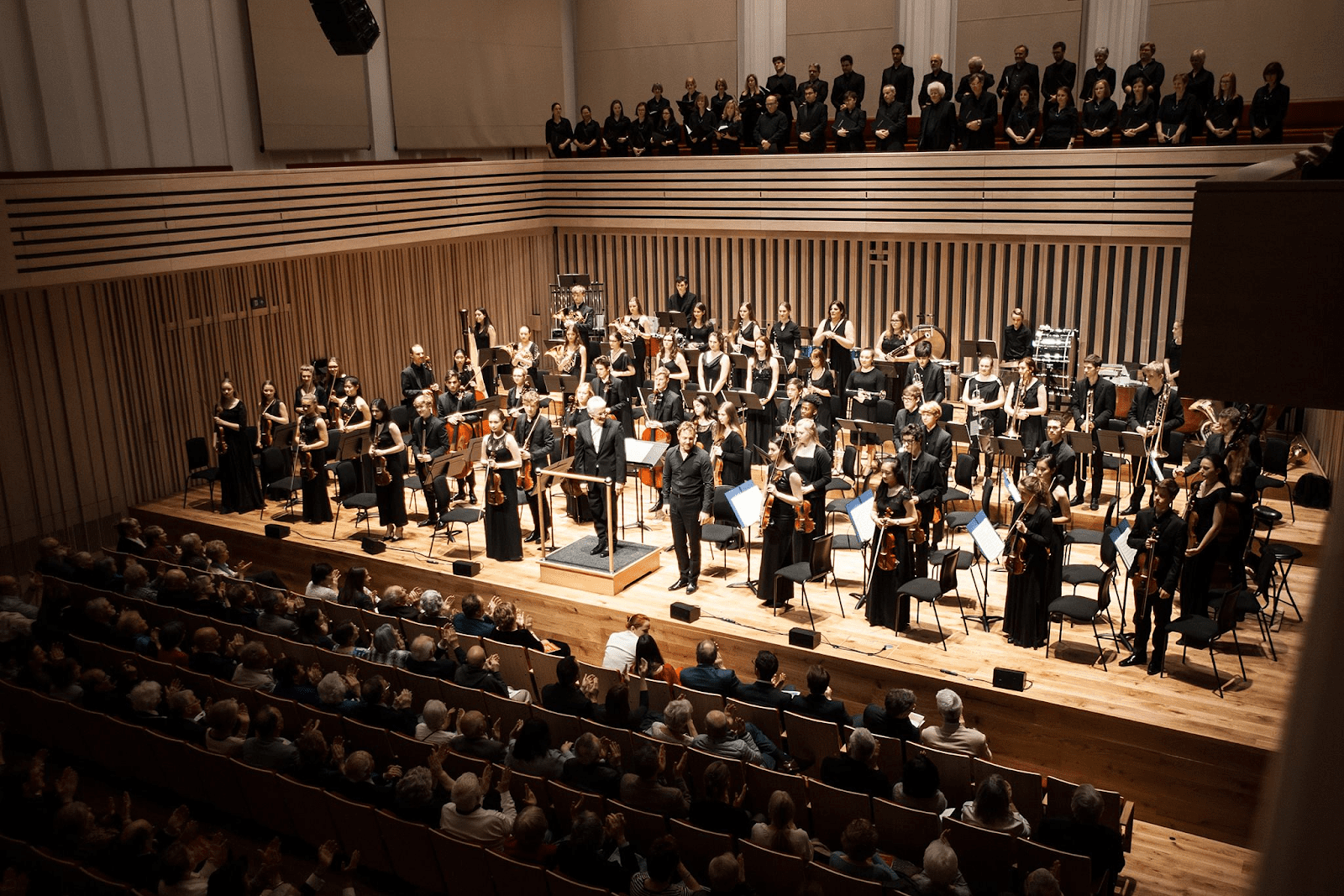
Following its reorganisation, the school was no longer able to provide free education funded by scholarships and grants. Tuition fees were introduced. By the 1960s, the number of students had significantly increased despite the costs.
In 1969, the school transitioned into Chetham’s School of Music, adopting a co-educational model. That year, over 50 talented students were admitted following a music audition.
In 1994, at the initiative of Queen Elizabeth II, a girls’ division was established at the school. Over the years, the school underwent numerous reorganisations and changes, producing many notable alumni, including:
- Actor Max Beesley
- Violinist Jiafeng Chen
- Conductor Gary Cooper
- Pianist Peter Donohoe
- Cellist Guy Johnston
- Rock musician Mike Lindup
The School’s Reputation
Despite its rich history, remarkable development, and distinguished alumni, Chetham’s School has faced controversies over the years. Accusations of sexual abuse by staff have tarnished its reputation. Some of the first allegations emerged in the 1980s. In 2013, Manchester police revealed that over 30 girls had reported cases of mistreatment at the school. These incidents led to multiple investigations, which found that the school had failed to uphold its own child safety policies. Law enforcement agencies implemented recommendations to ensure a safe learning environment for students.
Despite these challenges, Chetham’s School of Music remains a cornerstone of Manchester’s musical and educational legacy, continuing to inspire and nurture talent for future generations.