

The education system in Manchester boasts a rich and vibrant history spanning centuries. A key figure in the development of education in the region was Hugh Oldham, a local resident who eventually became the Bishop of Exeter. Thanks to his initiative, a grammar school for boys was established in Manchester in 1515. Below is a closer look at his contributions and legacy. Next on manchester1.one.
Who Was Hugh Oldham?
Hugh Oldham was born in 1452 in Lancashire. Despite living centuries ago, much is known about his life. He was raised in a family of minor nobility and spent his childhood and youth in Manchester. Oldham received his early education at the home of Thomas Stanley, the first Earl of Derby. His wife, Countess Margaret Beaufort, displayed a strong interest in education for boys, which greatly influenced young Oldham.
He pursued higher education at both Oxford and Cambridge Universities and later embarked on a career as a clerk. After some time in Durham, he became a rector in Cornwall. Oldham’s career later intertwined with religion, as he served as a chancellor in the household of Lady Margaret Beaufort, mother of King Henry VII. Through her influence, Oldham ascended to the positions of Archdeacon of Exeter in 1502 and later the city’s bishop.
Oldham’s Views on Education
As Bishop of Exeter, Oldham was deeply committed to his duties. He prioritized the appointment of educated individuals, particularly university graduates, to significant roles in the city. In the early 16th century, he pioneered entrance examinations to identify the best candidates for ordination.
Oldham held a profound belief in the power of education and its role in shaping the future of the nation. His dedication to education extended to supporting institutions such as Brasenose College and Exeter College at Oxford. He was particularly committed to providing education for the lower classes and ensured that the younger members of Exeter Cathedral’s choir attended the local grammar school.
Oldham’s philanthropy channeled much of the wealth he accrued through ecclesiastical pluralism into improving the lives of the impoverished, especially in his home county of Lancashire.
The Creation of Manchester Grammar School
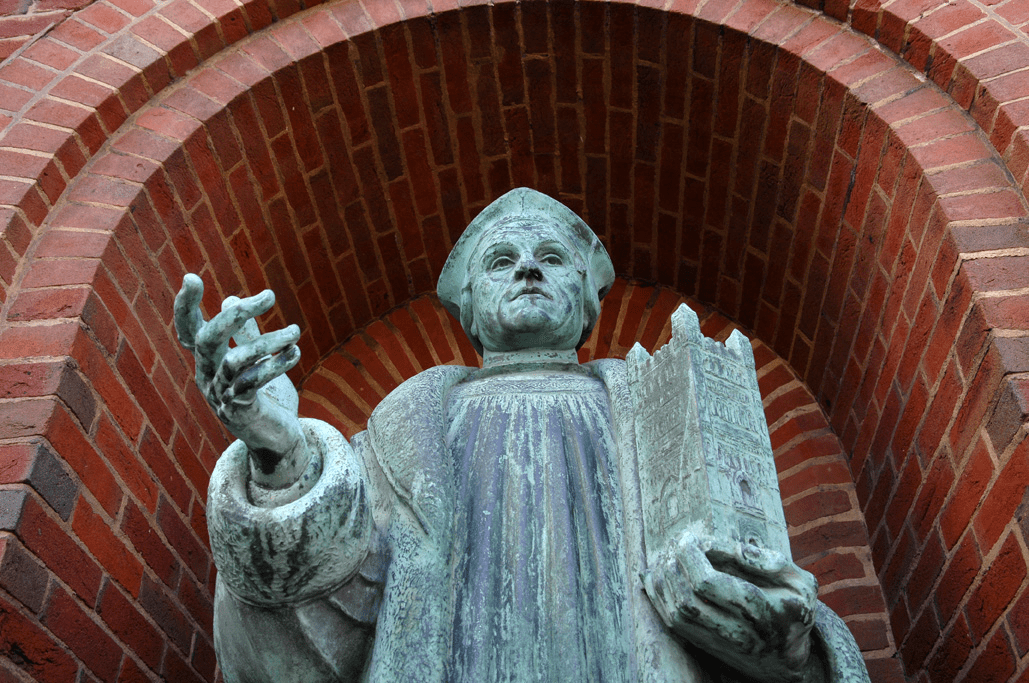
One of Oldham’s most significant contributions to education was the founding of Manchester Grammar School. Education in Manchester is said to have begun in 1515 when Oldham signed a trust deed establishing a free grammar school for boys. His vision was to make education accessible to all boys, regardless of their background or social status.
The construction of the school took place between 1517 and 1518 at a cost of £218, 13 shillings, and 5 pence—much of which was personally funded by Oldham. The school’s establishment marked a turning point for education in Manchester and was closely linked to the Collegiate Church.
Oldham’s foresight extended beyond his time. His comprehensive vision for education included a broad curriculum, emphasizing the importance of learning and instilling educational values in the people of Manchester.
Rules of Manchester Grammar School
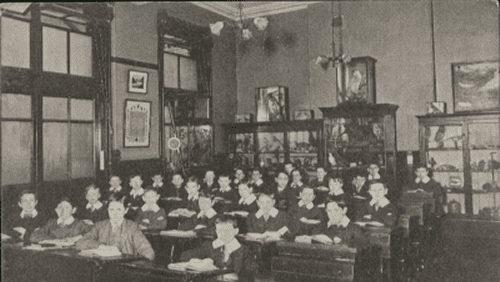
Initially, the grammar school was intended for boys from Lancashire, Oldham’s birthplace. However, all boys were admitted, regardless of social standing or origin, with the exception of those suffering from diseases such as smallpox, leprosy, or plague.
Students were also required to donate a penny to support poorer scholars or helpers tasked with cleaning the school. Furthermore, pupils were strictly prohibited from bringing weapons or eating food on school premises. Senior students were expected to assist teachers in teaching younger boys the basics of literacy and grammar.
Death and Legacy of Oldham
Hugh Oldham passed away in 1519, just a few years after the school opened. Following his death, Manchester Grammar School was restructured under a new charter, governed by a board of 12 trustees responsible for its finances and administration. The primary objective of the school became to cultivate students with good manners and a basic level of learning. However, the absence of Oldham’s guiding influence led to a decline in academic standards, with many students poorly educated in literature and manners.
The School in the 21st Century
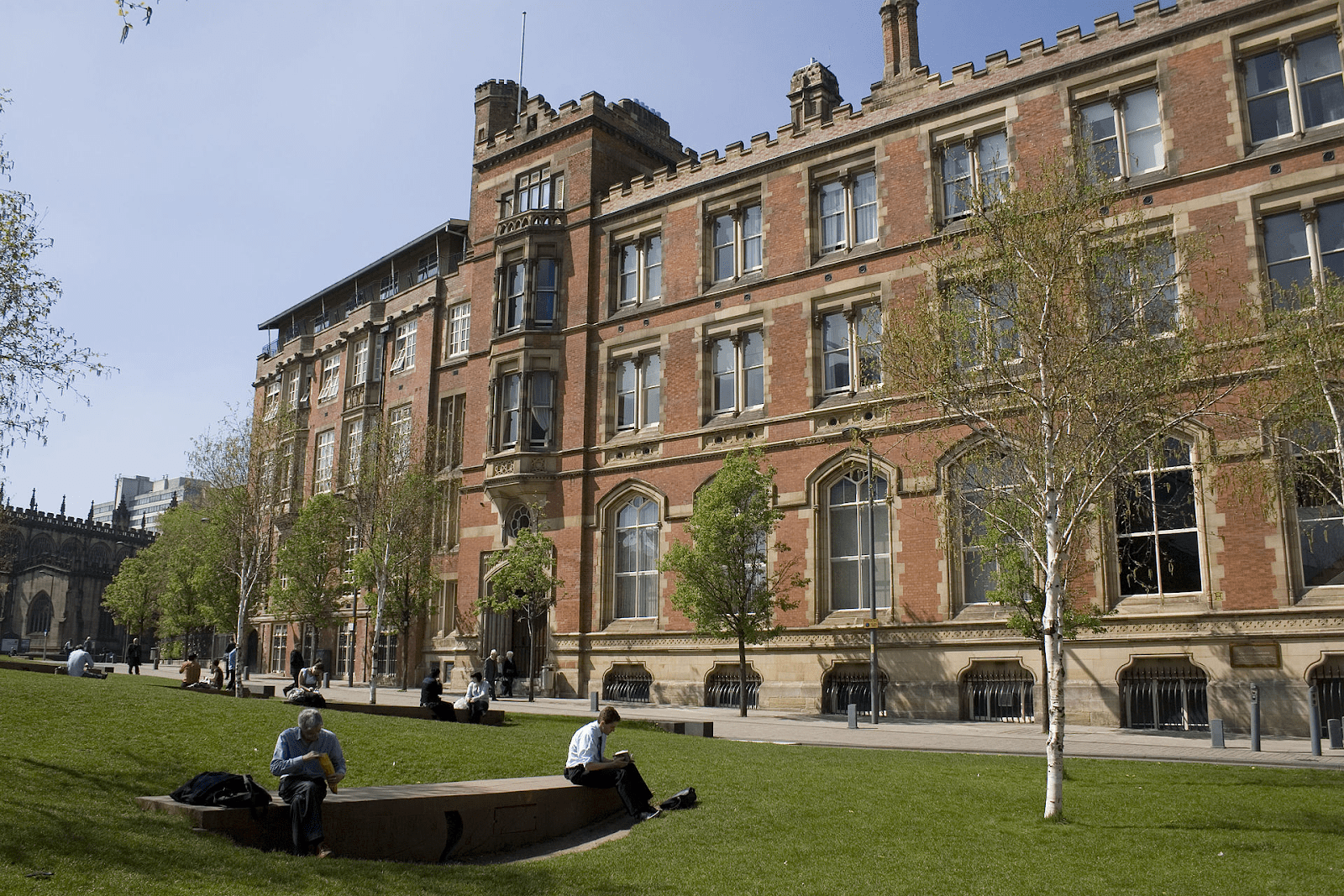
Over 500 years later, Manchester Grammar School remains a thriving educational institution. It has undergone numerous reorganizations, modernizations, and expansions but continues to educate and graduate students.
Today, the school is a modern institution with an innovative educational system, housing nearly 2,000 students across multiple buildings. It offers an extensive curriculum that includes:
- Arts and Design
- Biology
- Chemistry
- Classical Civilisation
- Classical Greek
- Computer Science
- Drama
- English Language
- English Literature
- Electronics
- Geography
- History
- Latin
- Mathematics
- Modern Languages: French, Spanish, Italian, German, Russian, Chinese
- Music
- Physics
- Religious Studies
In 2017, the school gained widespread recognition for its outstanding academic results, with 91% of grades achieving an “A” level or higher.
Hugh Oldham’s vision and dedication laid the foundation for education in Manchester. His establishment of the grammar school revolutionized learning in the city, creating opportunities for boys of all social classes. Today, Manchester Grammar School stands as a testament to Oldham’s enduring legacy in education.