

Education is a system of upbringing and training, encompassing knowledge, skills, abilities, attitudes, experiences, and more. Education has always been highly valued, transcending time, and received particular attention. However, in the past, education was not accessible to everyone. In England and Manchester, education was predominantly available to men. They enjoyed privileges in learning, employment, and other areas, while women’s roles in society were undervalued and confined to being good homemakers and mothers. Next on manchester1.one.
To understand the educational environment of 19th-century Manchester, it is essential to grasp the social norms of that time. The 19th century was marked by industrialization, social reforms, and evolving gender roles. Manchester, as a center of innovation and change, played a crucial role in making education accessible to girls.
The Development of Education for Women in Manchester
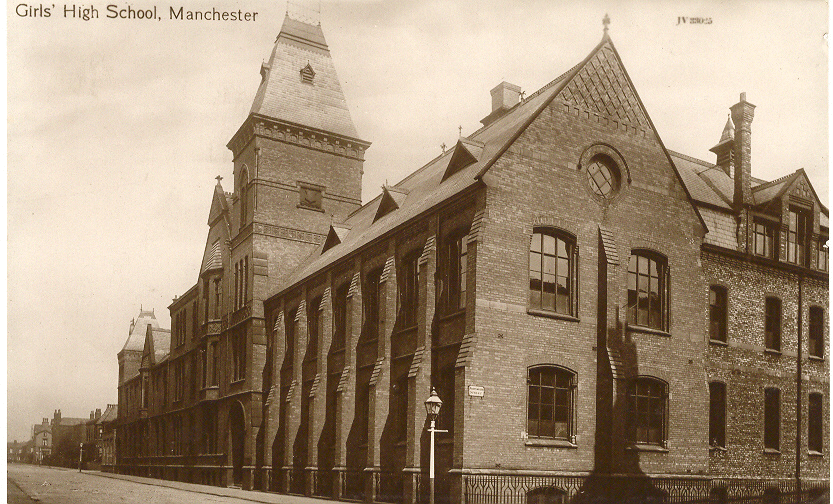
The establishment of the Manchester High School for Girls was not just a response to societal changes but also a catalyst for them. In 1874, several prominent and affluent Manchester residents founded the first private secondary school for girls. Among the notable founders were Augustus Samuel Wilkins, an English scholar; Robert Dukinfield Darbishire, a Manchester lawyer; and Edward Donner, a banker. This new institution opened in Chorlton-on-Medlock. The school quickly became highly sought after, with almost every girl in the city aspiring to gain knowledge and education on par with boys.
The high demand necessitated a larger facility, and in 1881, a new building for the school was constructed on Dover Street. The school’s first headmistress was Elizabeth Day, reflecting Manchester society’s revolutionary views on gender equality and education accessibility for girls.
Over the years, the school and its facilities underwent many changes. During World War II, the school was evacuated to Cheadle Hulme. While in Manchester, a new and more spacious building for the school was planned on Grangethorpe Road. However, construction was halted when the building was damaged during an air raid. In 1941, girls temporarily attended classes in Didsbury, and by 1949, the Grangethorpe Road facility was restored and reopened.
The Curriculum for Girls at Manchester High School
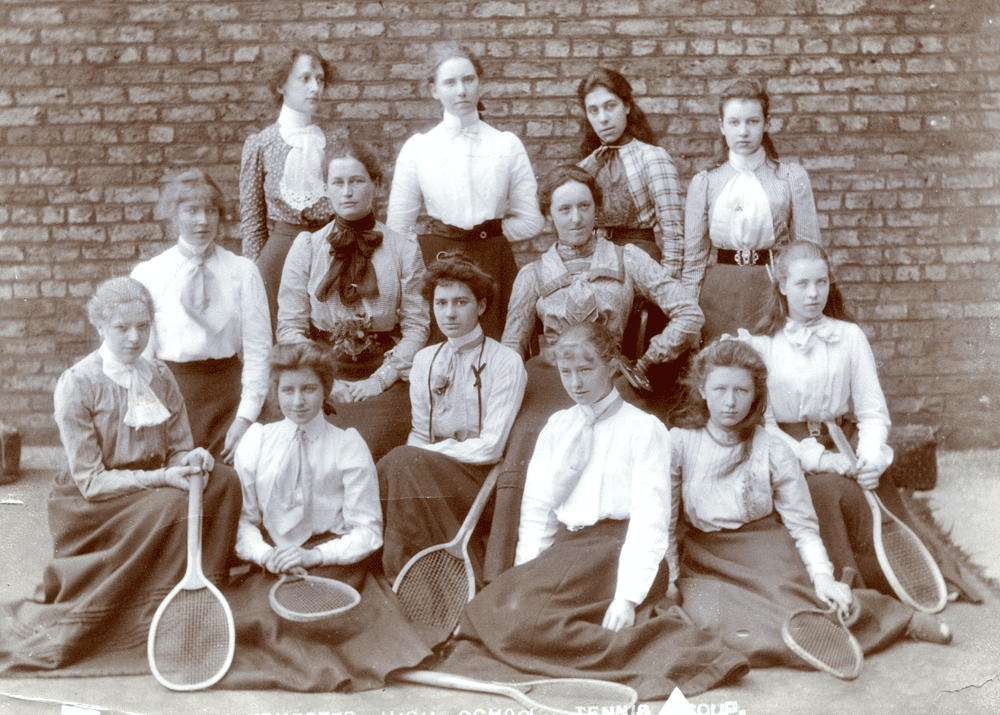
The opening of the first private school for girls was a groundbreaking and revolutionary decision. The school’s founders aimed to challenge the status quo and prove that girls deserved the same opportunities as boys. They sought to provide an education that exceeded societal expectations. The school emphasized the intellectual development of girls, envisioning a future where women could actively participate in political, cultural, industrial, and economic spheres.
The curriculum at Manchester High School for Girls was markedly different from the standard education available to girls elsewhere in England. While traditional methods restricted girls to domestic skills, the school offered a broader program, including literature, natural sciences, mathematics, and more. Despite these progressive ideals, challenges persisted for girls’ education. Throughout the 20th century, the school continued to fight for academic recognition and societal acceptance.
Despite the hurdles, the Manchester High School for Girls produced many notable graduates who defied societal norms and made significant contributions across various fields. These women broke stereotypes and inspired others to pursue education. Among its distinguished alumni were:
- Adela Pankhurst, activist in the Australian suffragette movement.
- Christabel Pankhurst, the first woman to earn a Bachelor of Laws degree from the University of Manchester and a leading activist in the British suffragette movement.
- Sylvia Pankhurst, prominent activist in the British suffragette movement.
- Dorothy Smith, an electrical engineer and the second woman to gain full membership in the Institution of Electrical Engineers.
- Clare Venables, a theatre director.
- Paula Vennells, CEO of the UK Post Office.
- Julia Yeomans, Professor of Physics at Oxford University.
- Many others.
The Development of Education at Manchester High School for Girls
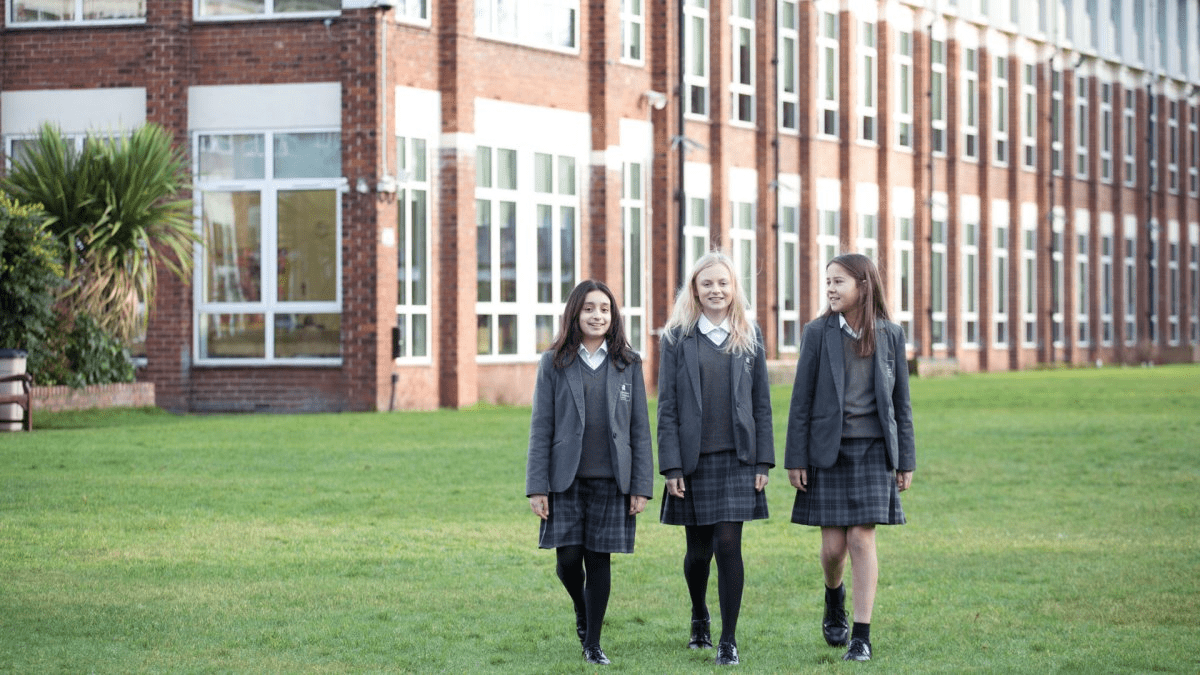
Over time, education for girls became increasingly prestigious, and attending Manchester High School for Girls became highly desirable.
In the 21st century, the school offers specialized preparatory sections for girls aged 4-11. This preparatory stage serves as a foundation for senior school. Facilities include an infant section, two assembly halls, a playground, and spacious gardens. There are also dedicated areas for mathematics and science, a music hall, a library, and two multimedia-enabled computer labs. In 2006, the school introduced Mandarin Chinese as a subject, taught to girls in years 3-4.