

John Owens’ name is well known to many residents of Manchester. It is thanks to him that the city became home to the University of Manchester, a major center of knowledge for the entire region. More about his life, commercial endeavors, and philanthropy in this article on manchester1.one.
Early Life of John Owens
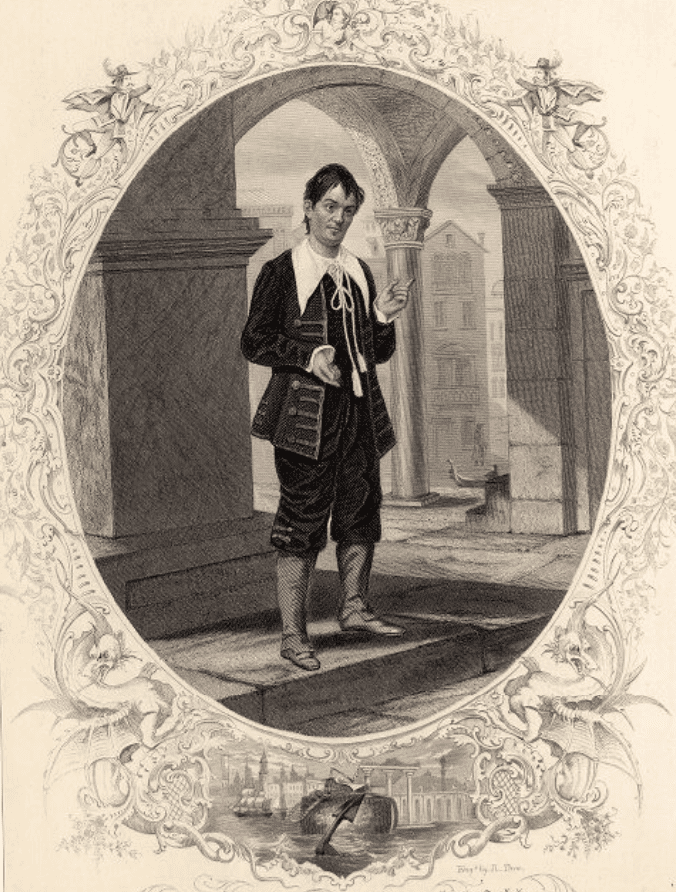
The future Manchester merchant, John Owens, was born in 1790. The late 18th century was a period of rapid change in the city. Development was accelerating as the Industrial Revolution was in full swing. Owens’ father was already a successful merchant at the time.
It should be noted that historians have struggled to uncover detailed information about this significant Manchester figure. Records are sparse, and Owens was often referred to as a “shadowy figure.”
From his early years, it is known that Owens was the only surviving child among three siblings in his family; the others died of various illnesses. Owens attended a private school at Ardwick Green until the age of 14, after which he began working for his father’s firm. The business specialized in hat linings, fur trade, and leather goods.
Growth of Owens’ Commercial Enterprise
By the age of 25, Owens had become a full partner in his father’s business. Their operations extended beyond Manchester, exporting their products internationally rather than relying solely on the domestic market.
During Owens’ tenure, the firm’s product range expanded significantly. In addition to fur goods, the company began selling umbrellas and a variety of cotton products. The firm utilized a home-based production system for much of its output, with the majority being exported to the United States.
For approximately 18 years, Owens and his family were not only merchants but also investors in Samuel Faulkner’s cotton business. Their investment of £10,000 yielded an annual return of nearly 10%. However, this capital was later withdrawn, and by 1830, Owens left the family business.
Despite stepping away from the family enterprise, Owens did not entirely abandon commerce. He continued trading, expanding the market reach of his products while significantly reducing the range of goods. By the 1840s, Owens sought profits through stock speculation and money lending—activities he pursued until the end of his life.
Owens as a Businessman and His Role in Founding the University of Manchester
Owens was a quiet and, some might say, shy man who valued peace, solitude, and deep engagement with books. He had few friends, never married, and kept his distance from other Manchester entrepreneurs. Despite this reserved demeanor, he was a highly successful businessman in Manchester.
The renowned 19th-century merchant passed away at the age of 44 in 1846.
In the 1840s, Owens’ prolonged illness led him to reflect on his life and legacy. Childless and without direct heirs, he contemplated how his wealth could benefit future generations. Before his death, he drafted a will bequeathing approximately £52,000 to his friends and charitable organizations. An additional £96,000 was designated for the establishment of an educational institution in Manchester.
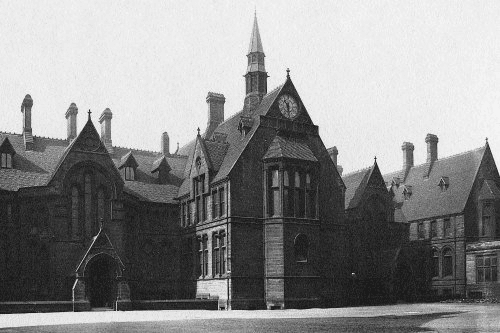
A notable stipulation in Owens’ will was his disapproval of religious tests for students or faculty. As a result, in 1851, the Owens College was founded with his funds. Today, this institution is part of the University of Manchester.
The college, established through Owens’ philanthropy, was groundbreaking in many ways. It was among the first in the UK to offer education free from religious affiliation. Furthermore, it provided access to education for Manchester’s growing middle class, not just the elite.
Owens’ body was initially interred at St. John’s Church in Manchester and later moved to the university building he had funded.
Legacy
Though much about Owens remains unknown, his active years left a significant mark on Manchester’s commercial and economic development. His business not only sold goods locally and internationally but also supported the growth of new enterprises through investments in projects led by friends and associates. Most importantly, Owens dedicated the majority of his wealth to education. This generosity led to the creation of a college that welcomed individuals from all walks of life, regardless of class or religious affiliation—an unprecedented move in the 19th century.