

The role of the apothecary—now known as the pharmacist—has been integral to society for centuries. However, the profession has undergone a long and challenging evolution to become what it is today. It is hard to imagine a time when people succumbed to simple illnesses due to the absence of pharmacies and readily available medications. This article delves into the history of the pharmaceutical trade and the establishment of the first pharmacy in Manchester. Next on manchester1.one.
Where It All Began
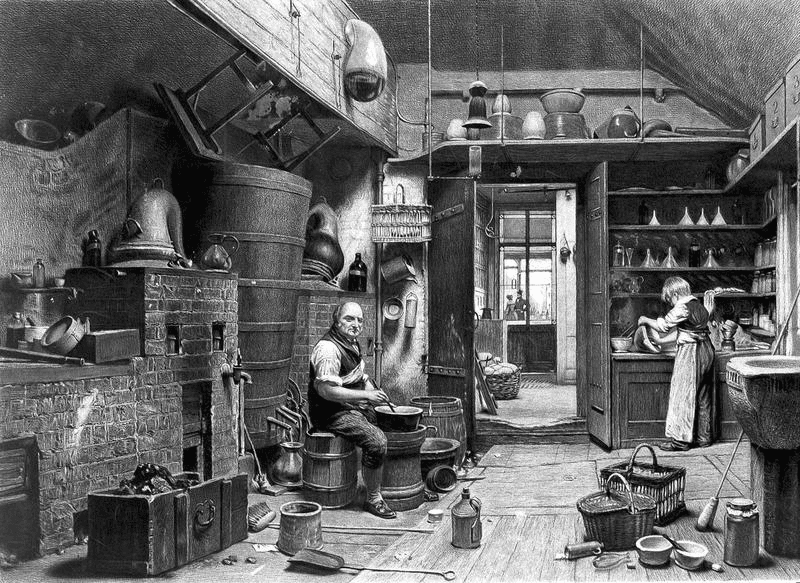
Undoubtedly, apothecaries existed in ancient times throughout Great Britain and Manchester, preparing remedies for people. In 1828, Manchester saw the creation of the Society of Apothecaries, Chemists, and Pharmacists, comprising professionals dedicated to their craft.
One of the most significant milestones in pharmaceutical history was the founding of the Pharmaceutical Society of Great Britain in 1841. This organisation was established to protect the interests and expertise of apothecaries against fraudulent practitioners and medical professionals who, in the early 19th century, frequently encroached on the domain of pharmaceutical knowledge. Moreover, the society advocated for stricter regulation of the apothecary profession and championed professional education for pharmacists. Within a few years, the Pharmacy Act was enacted, introducing a registry for practising pharmacists. Under this act, new pharmacists had to pass examinations before beginning their practice.
The Manchester Society of Apothecaries operated until the late 1830s, after which a local branch of the Pharmaceutical Society of Great Britain was established in 1841.
In 1855, Manchester’s branch of the Pharmaceutical Society merged with another local organisation, the Institute of Chemists and Pharmacists, forming the Manchester Pharmaceutical Association. However, this organisation, which included local chemists and pharmacists, ceased to exist within a few years. It wasn’t until 1868, with the introduction of an updated Pharmacy Act, that the Manchester Association of Chemists and Pharmacists was established. This organisation was renamed the Manchester Pharmaceutical Association in 1883.
The Role of the Manchester Pharmaceutical Association in the 19th Century
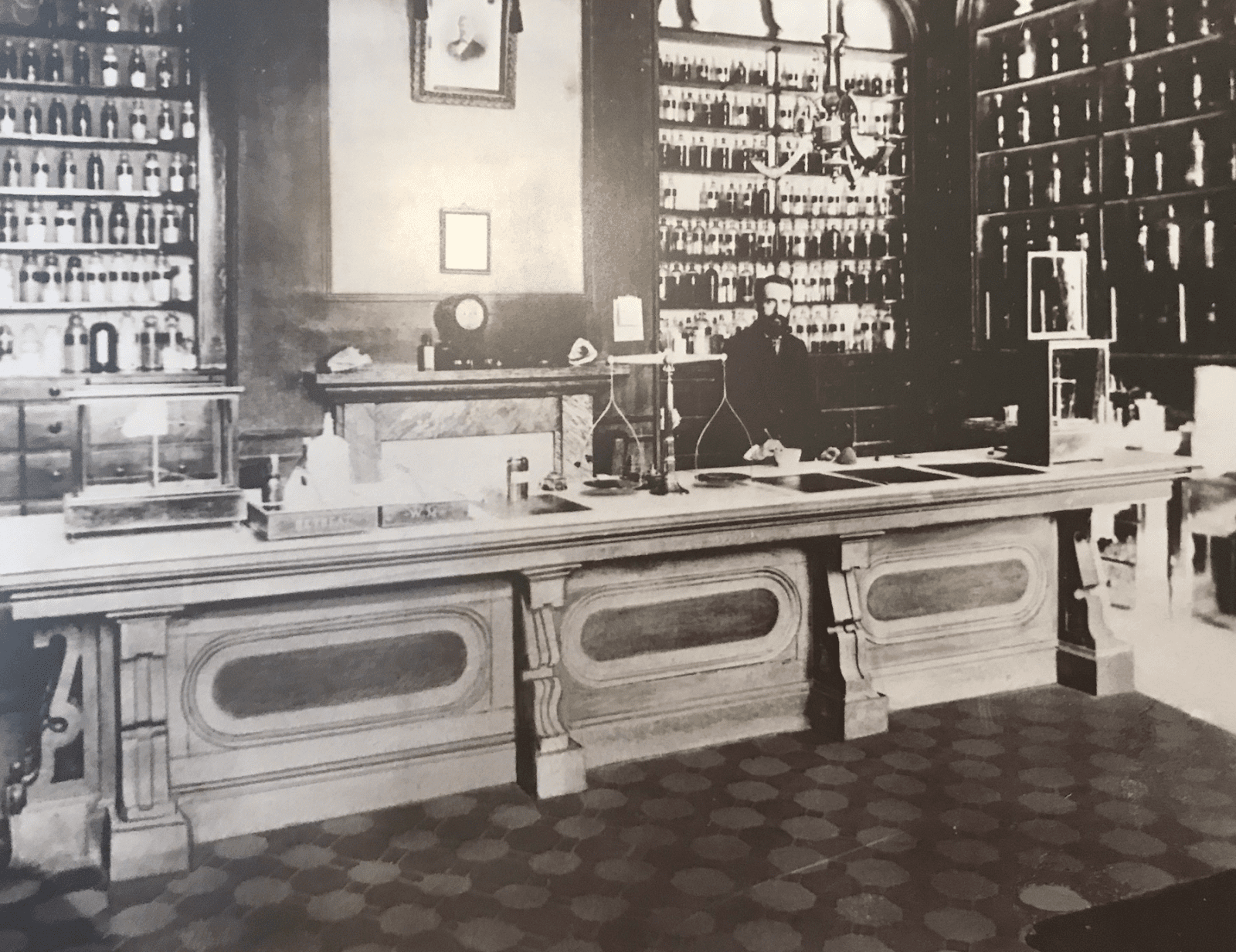
The Manchester Pharmaceutical Association, comprising chemists, apothecaries, and pharmacists, played a pivotal role in advancing pharmaceutical practices in the city. A particular focus was placed on pharmaceutical education. Thanks to the association’s initiatives, a pharmaceutical school was founded in Manchester, which played a leading role in training future apothecaries for years.
From 1883 onwards, Owens College introduced regular pharmaceutical courses for aspiring apothecaries, chemists, and medical students. Over time, a dedicated pharmaceutical faculty was established within the college.
Towards the end of the 19th century, Manchester also saw the establishment of the Northern Pharmaceutical College. Both the first pharmaceutical school and the Northern College were located near the University of Manchester but remained completely independent institutions. By the early 20th century, the Manchester Pharmaceutical College merged with the university’s pharmaceutical faculty. This new institution became a leader in pharmaceutical education in Manchester.
Beyond education, the Manchester Pharmaceutical Association also regulated pharmacy trade, promoted social initiatives, and engaged in charitable activities among its members.
The Establishment of Manchester’s First Pharmacy
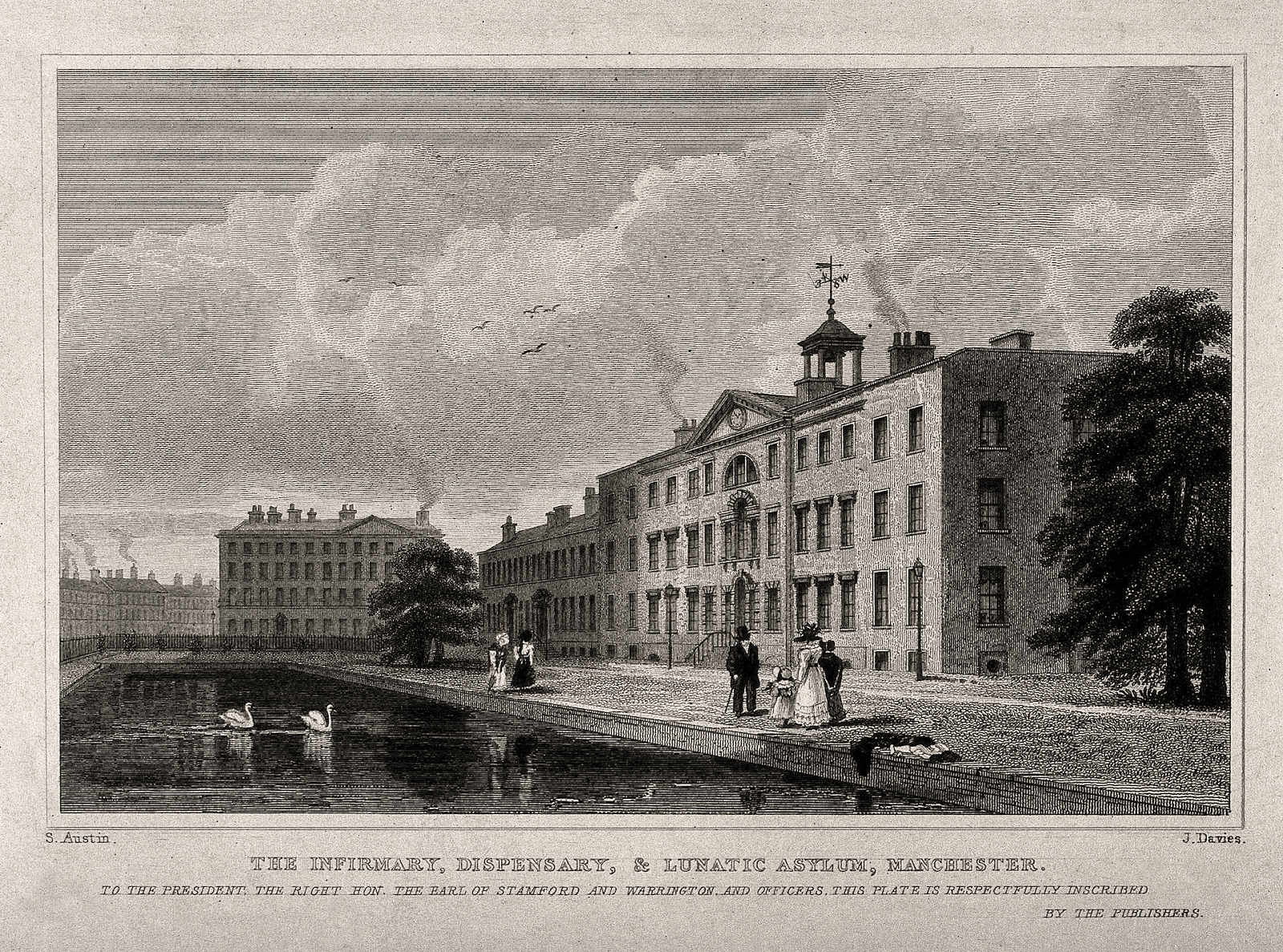
The origins of Manchester’s first pharmacy date back to 1753. Its establishment is closely tied to the founding of the Manchester Royal Infirmary, as the pharmacy was opened within its premises.
Initially, the infirmary employed just three doctors and three surgeons. Patients with various complex ailments began to arrive shortly after its opening. For instance, John Boardman, who suffered from scrofula, and 12-year-old Benjamin Dooley, afflicted with severe leg ulcers, were among the early patients. This prompted the hospital’s management to establish an on-site pharmacy and procure essential surgical equipment.
The first apprentice pharmacist at the Manchester Royal Infirmary was a student named John Daniel.
Since the opening of Manchester’s first pharmacy, the pharmaceutical industry has undergone significant transformations. By the 20th century, most pharmacists working within the National Health Service (NHS) practised in hospital or community pharmacies. By 1979, approximately 3,000 pharmacists were employed in hospitals and community health services across the UK.
A major breakthrough in British—and Manchester’s—pharmaceutical practice occurred in 2006. Pharmacists, like doctors, were granted the authority to prescribe medication. From that moment, independent prescriber pharmacists with the necessary licence could prescribe any medication for any condition within their area of competence.