

Manchester Central Library is a unique architectural and cultural masterpiece from the early 20th century. It boasts a long history of development, a rich collection of books, and an impressive range of rare manuscripts, bibliographies, and historical artefacts. This iconic institution serves as a true centre of knowledge, drawing visitors and scholars alike. Next on manchester1.one.
The Foundation of the Library
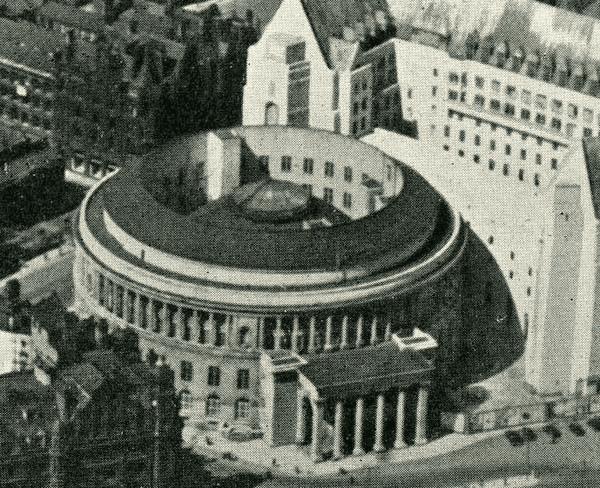
The roots of Manchester Central Library can be traced back to the mid-19th century. Following the adoption of the Public Libraries Act in 1850, Manchester became the first city in the UK to establish a public lending and reference library.
The first public library in Manchester opened in 1852 in Campfield. By 1877, due to the deteriorating state of the building, the library’s collection was relocated to the old Town Hall on King Street. In 1912, the library moved once again, this time to the Piccadilly Gardens area.
The Construction of Manchester Central Library
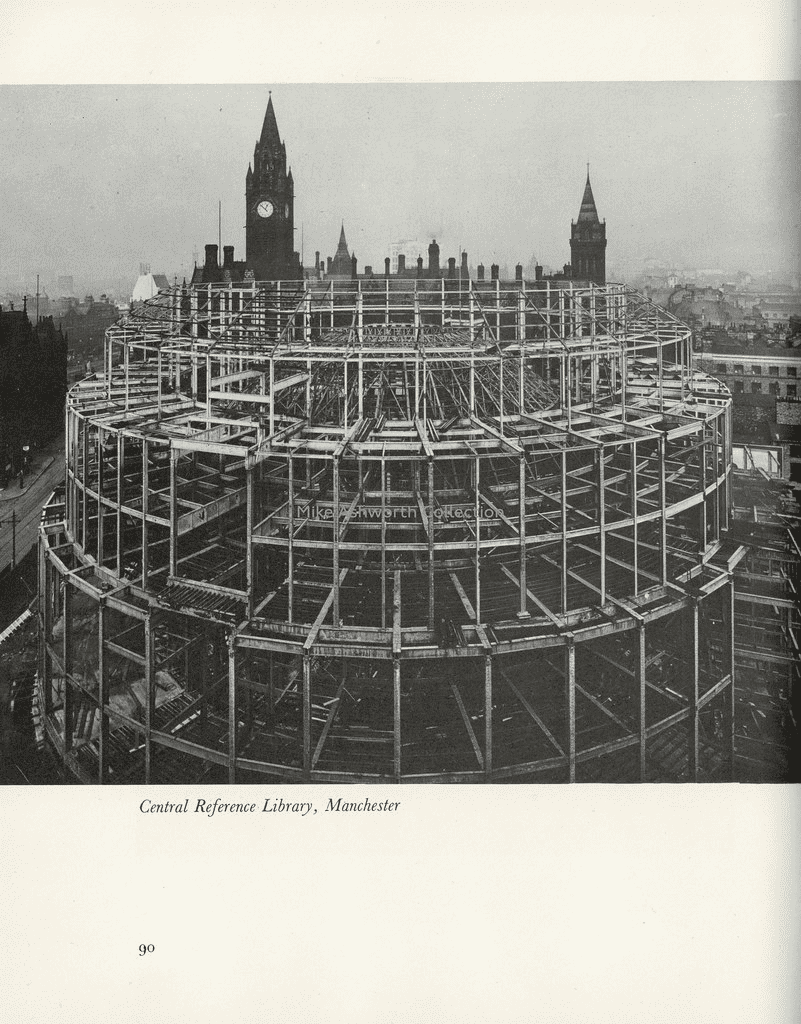
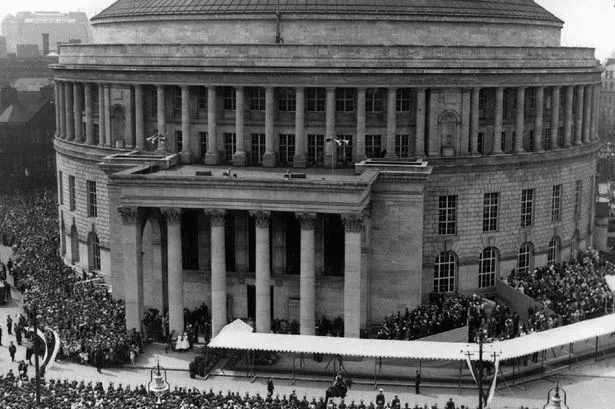
The iconic building of Manchester Central Library, with its grand columns and domed roof, was not built until the 20th century. In 1926, the city council launched a competition among architects to design an extension to the Town Hall and a new central library. The winning design came from architect E. Vincent Harris. His vision for the library was inspired by the Roman Pantheon and libraries being built in the United States at the time.
Construction began in 1930, and the library officially opened its doors in 1934. The grand opening was presided over by King George V. The library immediately housed collections transferred from other local institutions, marking its place as a central hub of knowledge.
Manchester Central Library is a stunning example of classical architecture, blending Greek and Roman elements. The exterior features Corinthian columns, while the interior is adorned with marble floors and intricate wood carvings, lending the space an unmatched elegance.
Book Collections of Manchester Central Library
Manchester Central Library is the second-largest library in the UK, surpassed only by the Library of Birmingham. It has consistently amazed visitors with its scale and resources. The library’s steel shelving spans four floors, creating a continuous shelving system of 56 kilometres (35 miles), holding over a million publications. These shelves, accessible only to library staff, are maintained under strict environmental controls to preserve the fragile books.
The library’s collection is exceptionally diverse and includes over 30 books printed before 1500, as well as early editions of major works. Notable highlights include:
- The Gaskell Collection: Works by Elizabeth Gaskell, one of Manchester’s most renowned authors.
- Theatre Collection: Historical records documenting the development of theatre in Manchester.
- Henry Watson Music Library: One of the largest sheet music collections in the world.
- Handel Manuscripts: Rare works by Handel, alongside Italian Baroque music, including Antonio Vivaldi’s The Four Seasons and a series of violin sonatas, now known as the “Manchester Sonatas.”
In addition to rare books, the library housed a Library Theatre located in the basement. Initially opened as a lecture hall in 1934, it became a venue for theatrical performances from 1952, hosting the Library Theatre Company and events by the Manchester City Council.
The library has long been a popular destination for readers of all ages. Its influence on local talent is notable—Anthony Burgess, author of A Clockwork Orange, frequently visited the library during his school years.
As the world transitioned into the digital era, Manchester Central Library recognised the importance of innovation. In 2014, the library underwent a comprehensive refurbishment and reopened with state-of-the-art facilities, while preserving its historical legacy. The renovations made the library more accessible to residents and visitors alike.
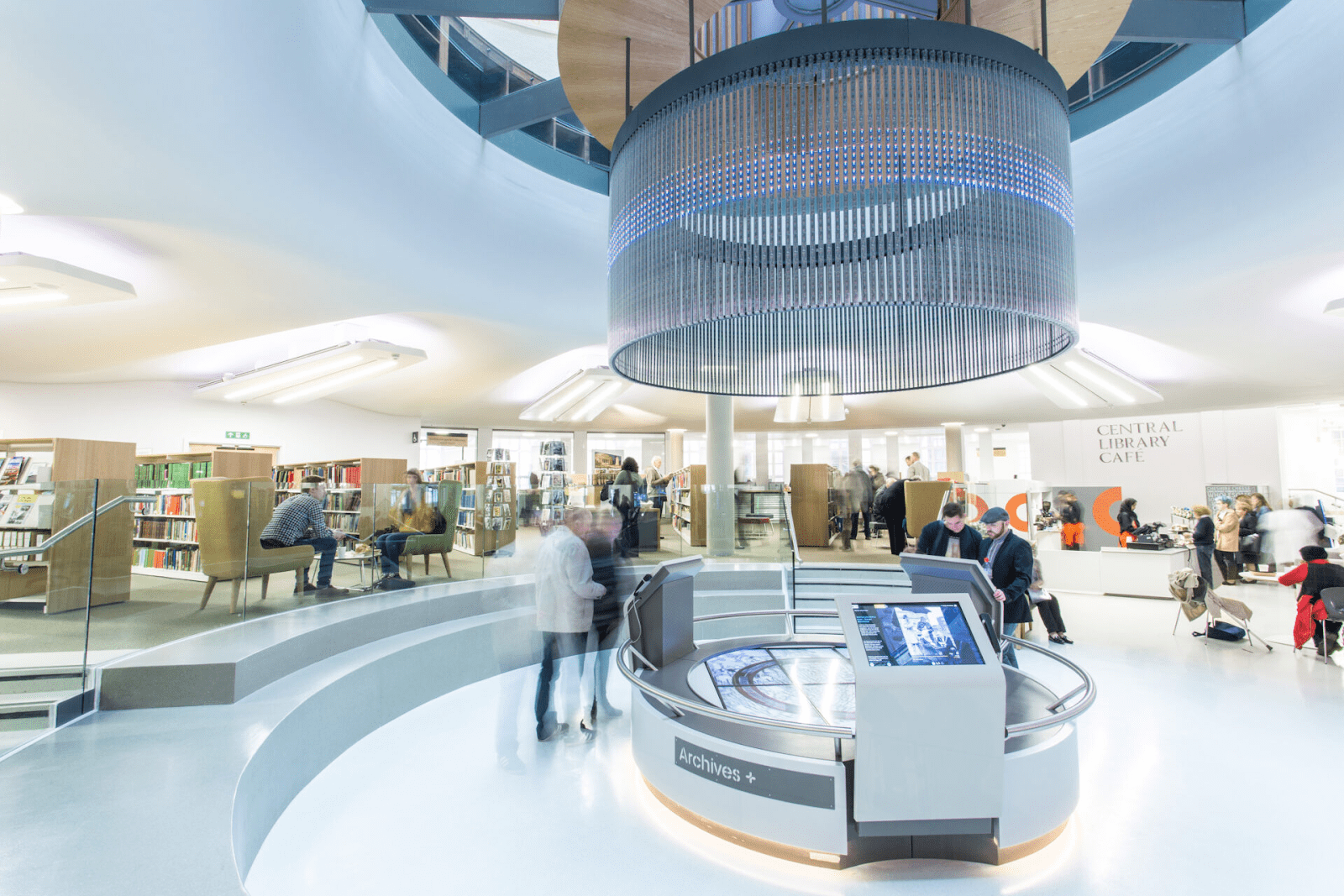
Digital archives and online resources have become invaluable assets, enabling users to access a wealth of materials from home. The introduction of interactive exhibits and digital learning spaces marked a new chapter in the library’s history.
Manchester Central Library remains a vital cultural centre, providing knowledge, inspiration, and a connection to history for all who visit. It stands as a testament to the city’s commitment to education and culture, continuing to evolve while honouring its storied past.