

The Manchester Royal Infirmary (MRI) is one of the city’s oldest medical institutions. For many years, it has been a hub for providing comprehensive medical care to adults and children alike. Additionally, the hospital has served as a centre for medical education in Manchester, functioning as a teaching hospital for the Manchester University School of Medicine. With a rich history spanning centuries, the MRI has been a driving force in the development of healthcare in the city, playing a pivotal role in the history of medicine not only in Manchester but throughout the United Kingdom. Next on manchester1.one.
The Initiative to Establish a City Hospital
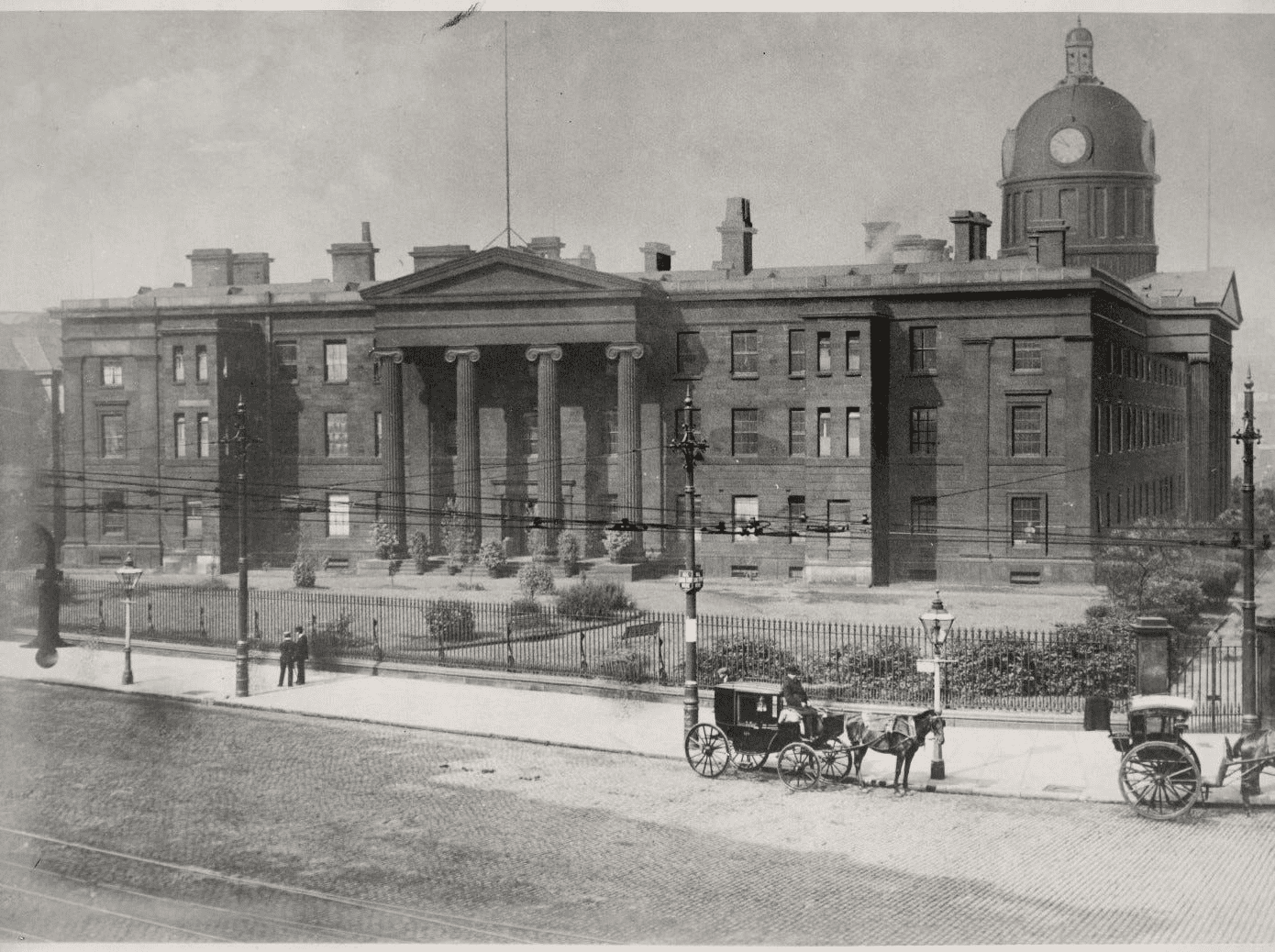
The origins of the Manchester Royal Infirmary date back to the height of the Industrial Revolution in the 18th century. In 1752, as part of the voluntary hospital movement led by local doctors, philanthropists, and civic leaders, the hospital was founded on the initiative of Charles White.
Initially, the hospital was housed in a modest building on Garden Street in Manchester. It operated through a subscription model, with management in the hands of trustees. Any Manchester resident contributing two guineas per year became a trustee, and those donating more than 20 guineas were granted lifetime trustee status. The trustees had the authority to appoint physicians and surgeons through a voting process. In its first year, the hospital employed just three doctors and three surgeons.
Housed in its humble building, the Manchester Royal Infirmary was initially focused on assisting the city’s impoverished and underprivileged residents. However, as demand for medical services grew, the hospital quickly outgrew its premises and needed a larger space
The Expansion of the Hospital
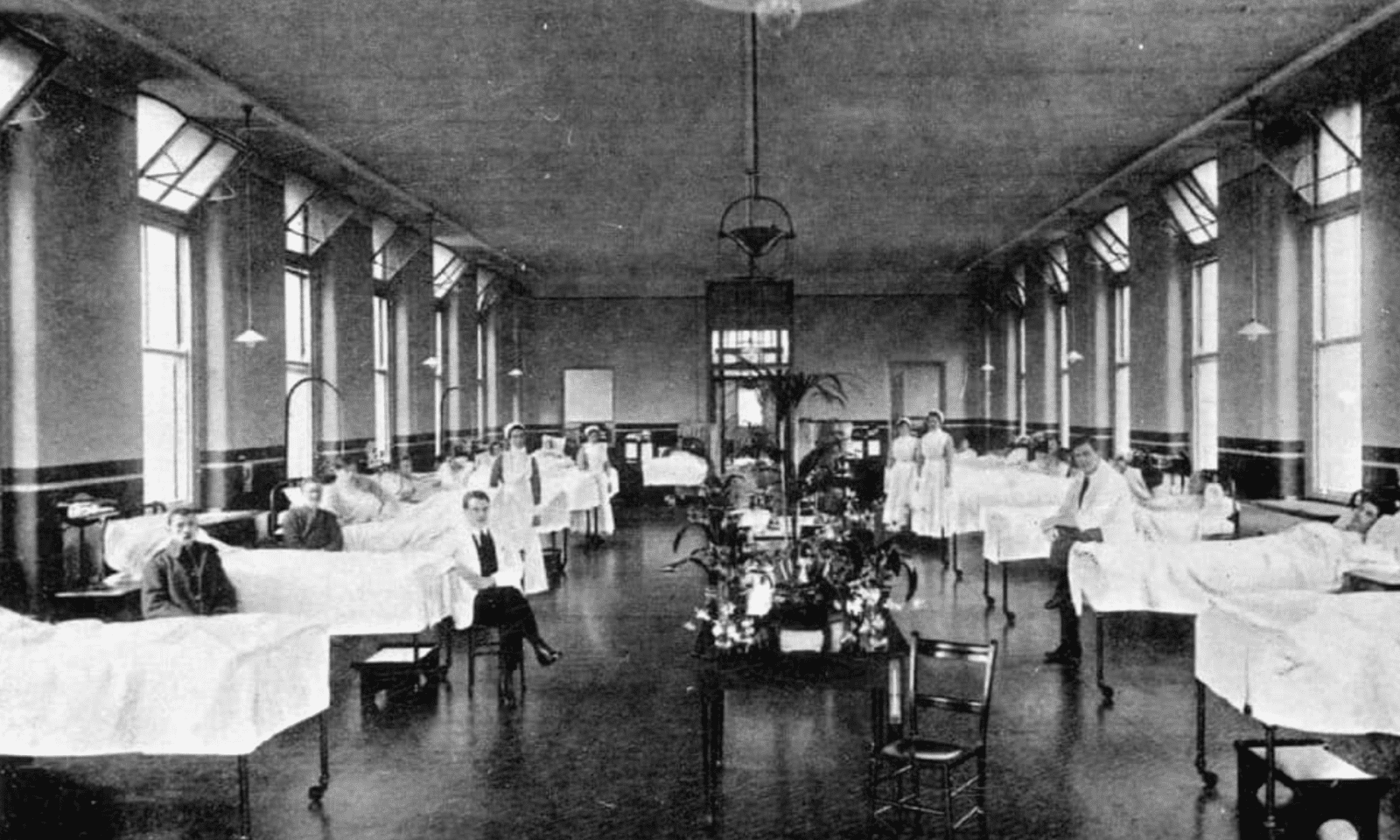
The demand for quality medical services rapidly increased, prompting the decision to construct a new hospital building in 1753. This new facility was located on Lever’s Row, near what is now Piccadilly Gardens. The three-storey building, with spacious basements, accommodated 80 beds—significantly more than its predecessor. However, by 1756, the hospital underwent another expansion, adding a north wing to house a laundry.
Hospital beds were always in high demand and rarely left empty. On occasion, patients even shared beds due to overcrowding.
The MRI expanded its offerings over the years. In 1765, it opened an asylum for the mentally ill, and in 1779, public baths. A library was established within the infirmary in 1791, and in 1793, a new wing with an additional 50 beds was added. By the early 19th century, further additions included kitchens for nurses, eight toilets, a laundry, and dedicated surgical and reception wards.
Development of the Manchester Royal Infirmary
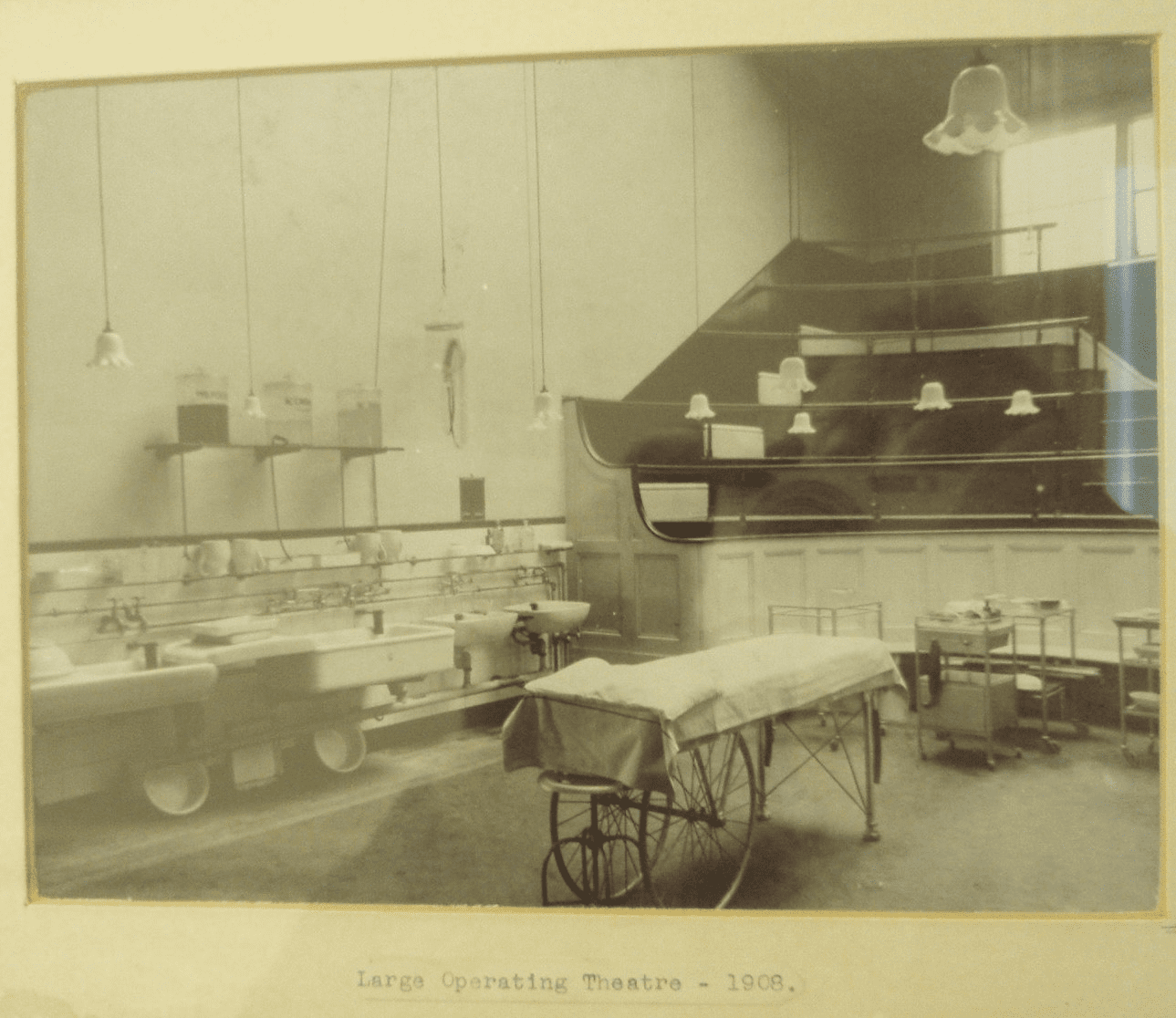
The turn of the 19th century marked a new era for the MRI, reflecting significant advancements in Manchester’s healthcare sector. During this time, the hospital employed some of the best-known physicians and surgeons, who contributed to medical knowledge and refined their practices. Additionally, the hospital became a major hub for medical education, nurturing generations of skilled medical professionals.
One of the most notable milestones in the hospital’s history was the introduction of anaesthesia in the mid-19th century. The arrival of ether and chloroform revolutionised surgical procedures, alleviating patient suffering and enabling surgeons to explore the human body more thoroughly. The Manchester Royal Infirmary became a national centre for implementing innovative treatment methods.
The early 20th century ushered in another transformation for the hospital. In 1909, the MRI relocated to a new site on Oxford Road. The new building featured a radiology department in its basement. By 1913, more than 5,000 patients had undergone X-ray examinations, highlighting the significance of this diagnostic method. In 1914, the hospital introduced radiation therapy for cancer patients, and in 1921, it established a Radium Institute.
During World War II, the hospital became a key centre for treating wounded soldiers. It also founded a blood transfusion centre, which continued to operate successfully after the war.
The latter half of the 20th century saw further growth and modernisation at the MRI. In 1950, a new neurology and neurosurgery department with its own operating theatre was constructed. By the 1970s, the hospital’s radiology department had become a leader in CT scanning across England.
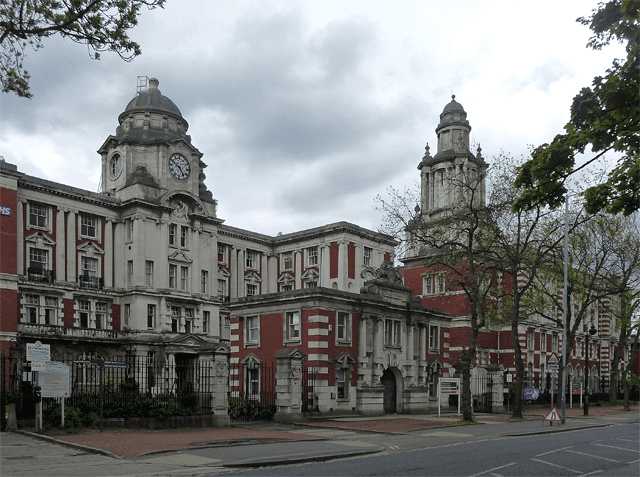
Today, the Manchester Royal Infirmary is a multidisciplinary hospital specialising in a range of fields, including cardiology, nephrology, and organ transplantation, particularly kidney and pancreas transplants. In 2015 alone, the hospital’s surgeons performed over 300 transplants—more than any other centre in the UK. This highlights the high quality of medical services and the exceptional professionalism of its staff.
By the 2020s, the MRI’s emergency department was serving approximately 145,000 patients annually, making it a cornerstone of healthcare in Manchester.