

Bullying is one of the most prevalent problems of the 21st century among children and teenagers. It manifests as teasing, insults, and harassment at school and online. The consequences can be severe, ranging from low self-esteem and anxiety to depression and social withdrawal. That is why schools are increasingly implementing support programmes to protect pupils and teach them how to cope with stress. Manchester, known for its innovations in culture, industry, and sport, is taking progressive steps in education by introducing new initiatives in the 2020s aimed at supporting mental health and combating bullying. With a growing understanding of the challenges of stress, anxiety, and peer pressure among young people, Manchester’s education system is being reimagined to foster a truly safe and supportive learning environment. Read more on manchester1.one.
Adolescent Mental Health: Research from Manchester
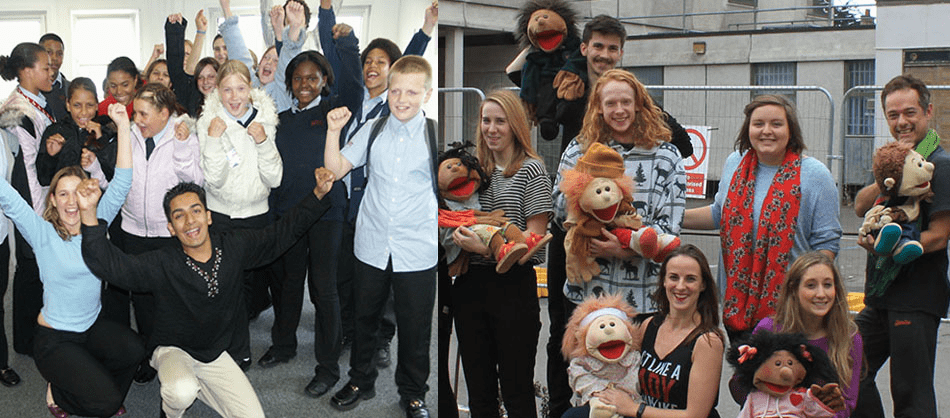
A major new study from the University of Manchester has revealed the devastating impact of school bullying on the mental health of adolescents. Boys are found to be particularly vulnerable, becoming trapped in a ‘vicious cycle’: anxiety and depression are not only consequences of bullying but also increase the likelihood of being targeted again.
The research is based on data from the “BeeWell” initiative, which involved over 26,000 teenagers aged 12 to 15. Scientists concluded that bullying is one of the key factors that trigger the development of internalising psychological problems, such as anxiety disorders and depressive states.
Differences Between Boys and Girls

Researchers at the University of Manchester found that the consequences of bullying manifest differently for boys and girls:
- For boys: Anxiety and depression become a “trigger” for further instances of bullying, making the problem cyclical.
- For girls: Bullying leads to the breakdown of friendships and a reduction in social support, which is a critical factor for psychological resilience.
Thus, peer support and positive relationships in the school environment are especially important for girls, while boys need help overcoming anxiety and depressive states.
Why It’s Crucial to Act Now

The University of Manchester study emphasises that tackling bullying with the efforts of individual teachers alone is impossible. A whole-school approach is needed, combining the efforts of educators, parents, and the pupils themselves:
- Implementing comprehensive anti-bullying programmes that consider gender differences.
- Focusing on the development of healthy and supportive relationships among adolescents.
- Providing timely help for children already facing anxiety and depression.
Without serious support from Manchester’s education system, healthcare services, and government bodies, the problem will not be solved. It is essential to invest in prevention, staff training, and the creation of a friendly atmosphere in schools.
The University of Manchester researchers also note that parents must better understand the destructive impact that bullying has on a teenager’s psyche. It is important not only to monitor a child’s emotional state but also to actively help them build strong friendships, which can act as a protective shield against the consequences of bullying.
Understanding the Problem of Bullying
In the 2020s, the issue of mental health has emerged from the shadows to become a central focus of the city’s educational policy. Studies show that pupils in Manchester and across the UK are experiencing rising levels of anxiety and depression, often linked to academic pressure, social media, and bullying. Manchester’s schools have responded by launching structured programmes designed not only to help pupils cope with stress but also to develop resilience for life outside of school. Teachers are being trained to recognise the early signs of distress, and school curricula are gradually being reshaped to include discussions on emotions, empathy, and coping strategies.
One of the key challenges is finding a balance between academic achievement and mental health support. For years, Manchester’s education system prioritised grades over well-being, forcing many pupils to struggle with stress in silence. But in Manchester, initiatives like peer support groups, mindfulness workshops, and dedicated psychological counselling services are giving pupils a chance to speak up and be heard. This shift underscores a simple but vital truth: happy, supported pupils learn better and achieve more.
Tackling Bullying in Manchester with New Strategies
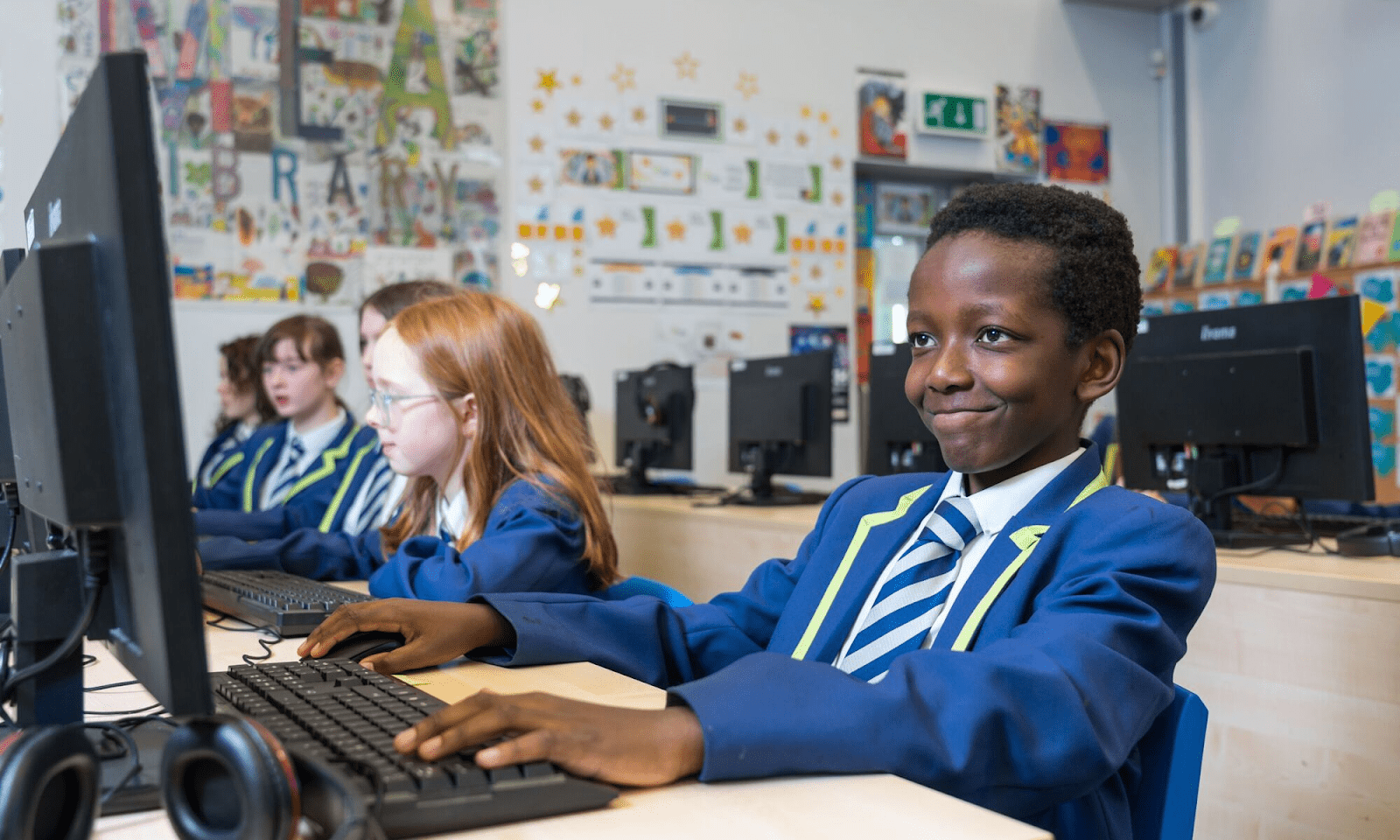
Bullying remains one of the most serious threats to teenagers. It takes various forms: physical, verbal, and, increasingly, digital, carried out through social media platforms. The city’s schools have realised that strict rules and punishments are not enough to solve this problem. They now emphasise prevention—teaching children to empathise, communicate with one another, and find peaceful ways to resolve conflicts.
For example, in the 2020s, some Manchester schools have introduced “anti-bullying ambassadors.” These are pupils trained to recognise the signs of bullying and provide support to their peers. This initiative fosters a sense of responsibility and compassion among young people, creating a culture of mutual respect rather than fear. Alongside this, Manchester’s educational institutions organise workshops with psychologists and external experts, teaching both pupils and parents how to resolve conflicts constructively.
Technology also plays a significant role in Manchester’s anti-bullying strategy. Anonymous reporting apps allow pupils to inform teachers about incidents without fear of retaliation. Such innovations are helping to create safer spaces in the city’s schools, where bullying is less likely to thrive.
In 21st-century Manchester, schools have begun to change their approach to how they care for children. Now, it’s not just learning and grades that are considered important, but also the mental health of pupils. After all, if a child is struggling, facing bullying, or under constant stress, no amount of knowledge will help them feel happy and confident.
Therefore, schools are increasingly implementing programmes that help children learn to understand one another, respect each other’s feelings, and resolve conflicts without insults or aggression. For teachers, this is also a new challenge—it is crucial for them not only to impart knowledge but also to be a pillar of support for the children.
This approach is inspiring other cities in the UK to change their schools and make them safer. And this is incredibly important, because in the 21st century, children live in a world of immense pressure—from social media, parental expectations, and the fear of making a mistake.
- https://www.manchester.ac.uk/about/social-responsibility/civic/beewell/
- https://www.manchester.ac.uk/about/news/bullying-impacts-teenage-mental-health/
- https://greatermanchesterscp.trixonline.co.uk/chapter/bullying?search=bullying
- https://www.northmanchester.coopacademies.co.uk/googledrive/?title=Co%2Dop+Academy+North+Manchester+Anti%2Dbullying+policy&pid=0&gdfid=1imxB6PRqxhlwByWWR_37a_KAK4nlE9bGprQP_u4kosE
- https://www.manchesterenterpriseacademy.org.uk/safeguarding/anti-bullying#