

In the 21st century, coffee culture has become an inseparable part of daily life. Renowned coffee chains such as “Starbucks” and “McCafe” dominate the global market, including in Manchester. However, have you ever wondered how coffee culture evolved in Manchester and which café held the crown before the rise of international coffee giants? Read on to explore the legacy of coffee consumption and the iconic “Kardomah” café on manchester1.one.
The Global and English History of Coffee Culture
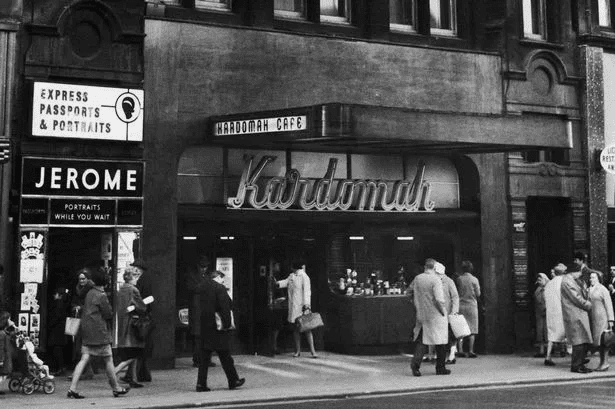
Coffee culture boasts a rich history—a blend of traditions and social behaviors revolving around coffee consumption. While the UK is famously a tea-drinking nation, coffee culture did not originate here. Its historical roots trace back to the 16th century Ottoman Empire, specifically Turkey. This region is widely regarded as the birthplace of coffee culture and its global dissemination.
By the 17th century, coffeehouses began proliferating worldwide. England’s first coffeehouse opened on St. Michael’s Alley in Cornhill, London. By the late 17th century, England was home to over 3,000 coffeehouses. These establishments became popular hubs for coffee culture, creative exchanges among artists and writers, and political gatherings.
Despite this, tea remained the preferred drink for most English people, solidifying Britain’s reputation as a tea-drinking nation. However, coffee culture eventually grew in prominence, especially by the late 20th century, with espresso emerging as a popular beverage, further propelling the coffee revolution across the UK.
Coffee Culture in Manchester
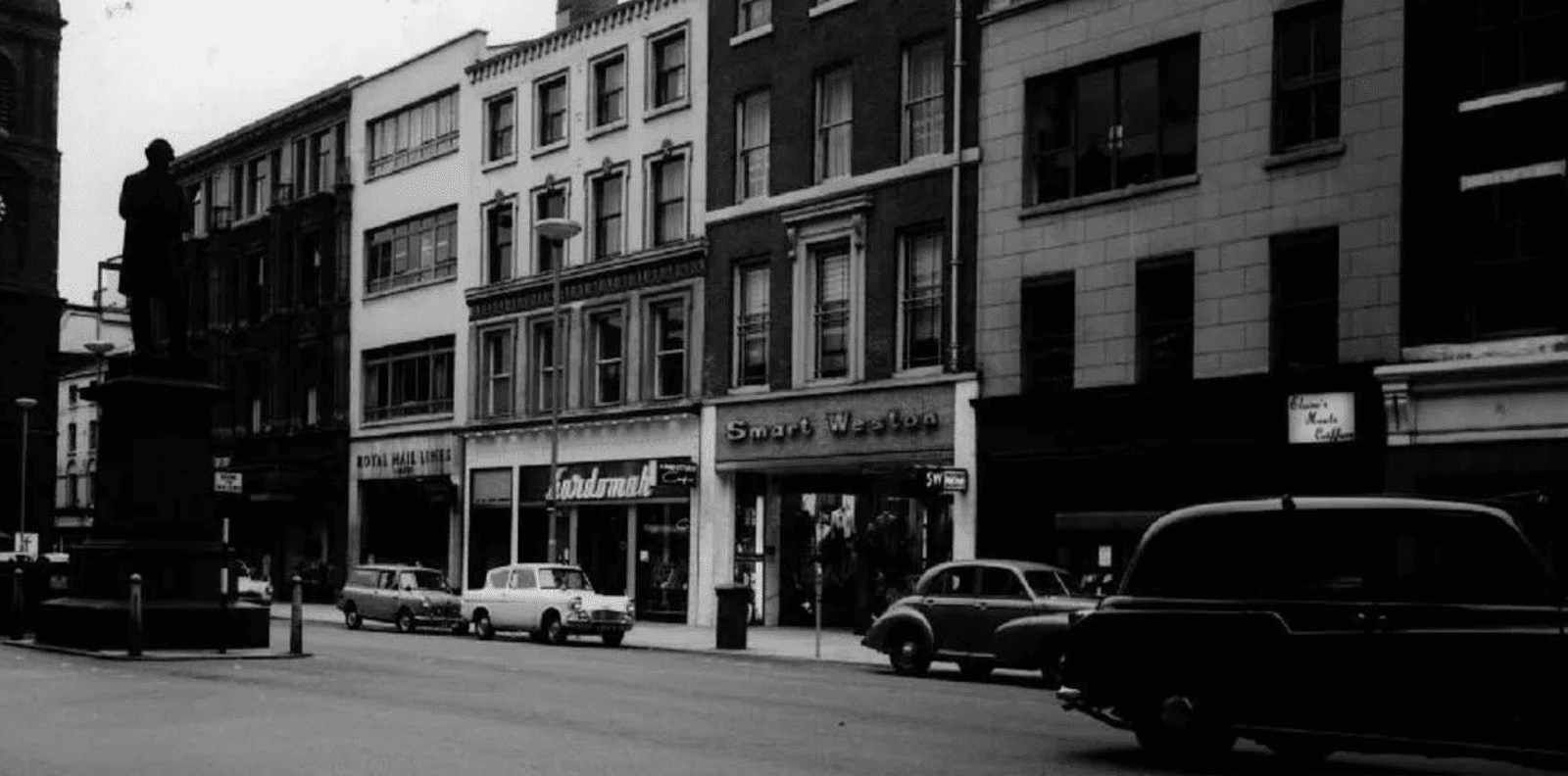
Manchester, known as an industrial hub and a city of vibrant cultural life, became a focal point of coffee culture as early as the 17th century. It has a storied history of coffee consumption, with local coffeehouses serving as gathering spots for coffee enthusiasts. Among these establishments, one iconic name stands out: “Kardomah”. This café played a pivotal role in shaping Manchester’s coffee culture.
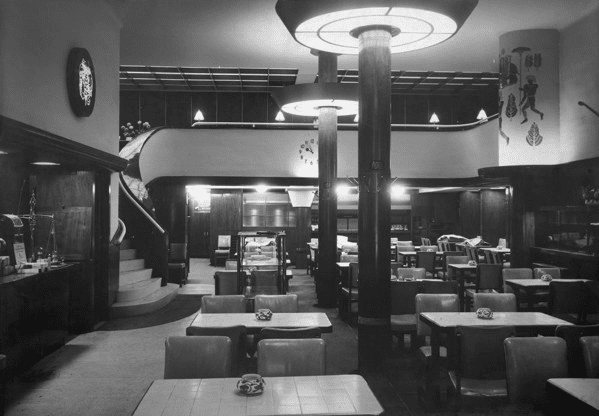
For centuries, “Kardomah” attracted an array of personalities, including artists, writers, and socialites. The café provided a cozy atmosphere filled with the aroma of freshly brewed coffee, fostering creativity and countless innovative ideas.
The Rise of “Kardomah” Café in Manchester
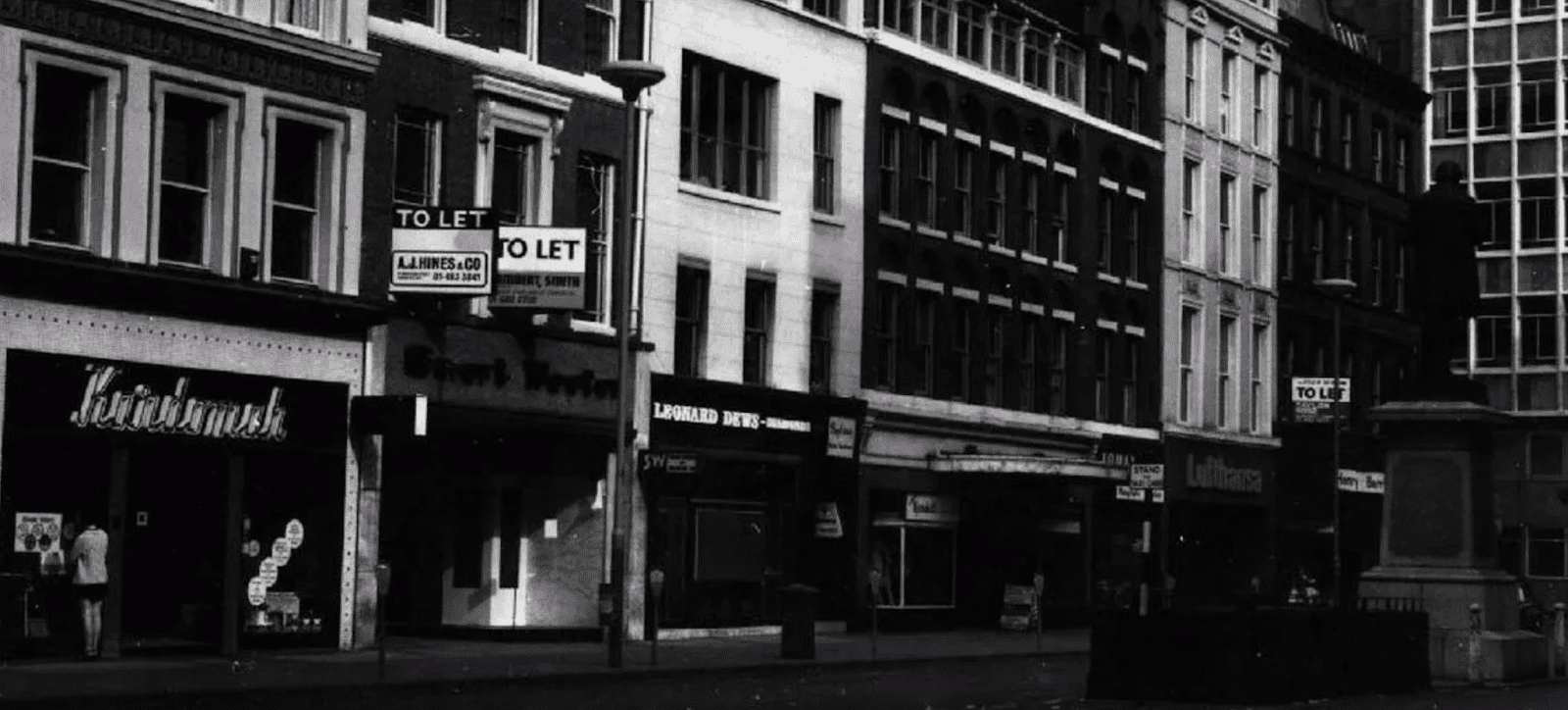
Why is this story centered on “Kardomah”? Quite simply, it was the first coffeehouse chain in the UK. Originally established in Liverpool in 1844, the “Kardomah” network quickly expanded across the country, reaching Manchester by the early 20th century. The café became a cultural landmark that popularized coffee consumption in the city.
“Kardomah” survived numerous historical upheavals, including wars and economic crises. However, its golden age came during the 1950s and 1960s, when artists and intellectuals frequented the café to exchange ideas and share their works. Notable patrons included the likes of L.S. Lowry and William Turner.
The café exuded charm and elegance, with its minimalist storefront featuring blue neon signage. Over time, Manchester hosted three “Kardomah” locations:
- Albert Square
- Market Street
- St. Ann’s Square
What Happened to “Kardomah”?
By the late 20th century, coffee culture gained significant traction across the UK, with many Britons favoring coffee over traditional tea. According to the Statista Global Consumer Survey, 63% of Britons consume coffee regularly, compared to 59% who prefer tea.
The British Coffee Association reports that UK residents drink an estimated 98 million cups of coffee daily. Additionally, 80% visit coffee shops at least once a week, and 16% go daily. This data underscores how coffee culture has become an integral part of British life, with “Kardomah” playing a vital role in its growth.
Unfortunately, the 1970s and 1980s marked a decline for “Kardomah.” The café chain began shutting down locations across the UK, including in Manchester. Despite this, “Kardomah” held a cherished place in Manchester’s history and was once ranked among the top 50 cafés in the UK by The Telegraph.
Though the “Kardomah” cafés are no longer part of Manchester’s bustling coffee scene, their legacy as pioneers of coffee culture endures, laying the foundation for the thriving café culture the city enjoys today.